How Can Milk Thistle Extract 80% Silymarin Improve Natural Ingredient Applications?
Milk Thistle Extract 80% Silymarin is a standardized botanical concentrate derived from the seeds of Silybum marianum, calibrated to contain a minimum of 80% total flavonolignans. For B2B formulators across nutraceutical, pharmaceutical, and cosmetic sectors, this concentration grade resolves the core challenge of inconsistent active ingredient delivery found in lower-grade or non-standardized botanical raw materials. By providing a verified, reproducible potency level—confirmed through HPLC analysis—it allows product developers to build reliable, market-ready formulations without batch-to-batch variability concerns that can compromise both product claims and regulatory standing.
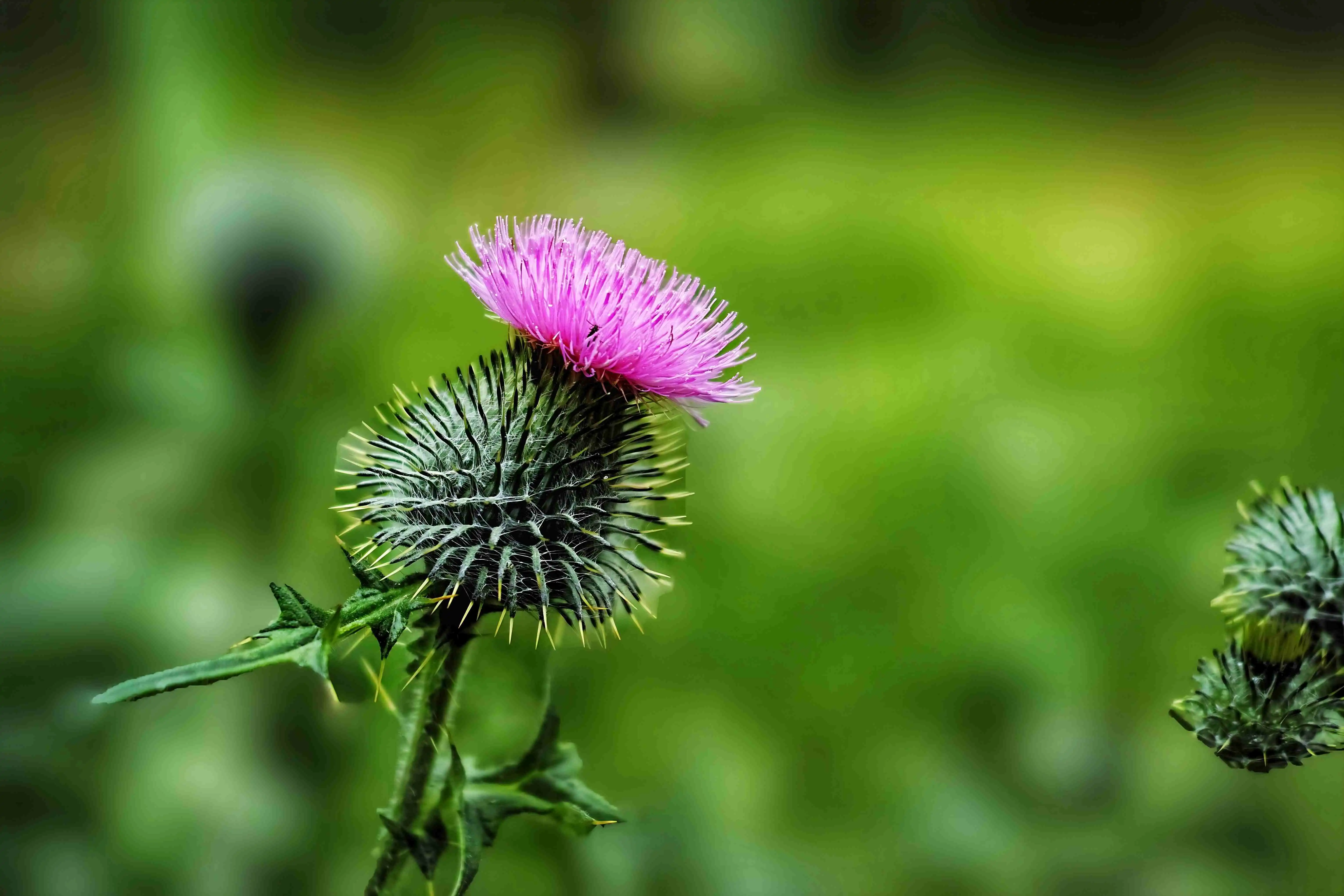
Understanding Milk Thistle Extract 80% Silymarin: Composition and Benefits
Biochemical Profile of Silymarin
Silymarin is made up of more than one molecule. There are five flavonolignans in it: silybin A and B, isosilybin A and B, silychristin, and silydianin. The most psychoactive isomer, silybin, is usually found at ≥30% at the 80% uniformity level. This amount of isomer clarity is important for formulators who want to achieve certain biological goals, like stabilizing the membranes of hepatocellular units and stopping lipid breakdown.
Antioxidant and Hepatoprotective Mechanisms
At the molecular level, silymarin removes reactive oxygen species and stops liver cells from taking in toxins by competing with the sites where hepatotoxins bind. A study in 2015 in the journal Phytomedicine found that standardized silymarin preparations lowered alanine aminotransferase (ALT) and aspartate aminotransferase (AST) levels in people with non-alcoholic fatty liver disease by a large amount. These known bioactivities give formulation scientists clinical references that they can use to back up product claims.
Safety Profile and Dosage Considerations
Around the world, silymarin is usually thought to be safe at daily amounts of 200 to 400 mg of Standardized Extract taken by mouth. The ethanol extraction process makes a light yellow-brown powder that loses about 5% of its weight when dried and has a heavy metals content of about 10 parts per million. These levels are high enough to meet both FDA rules for food supplements and EU standards for botanical ingredients. This makes the ingredient easy to get into markets around the world.
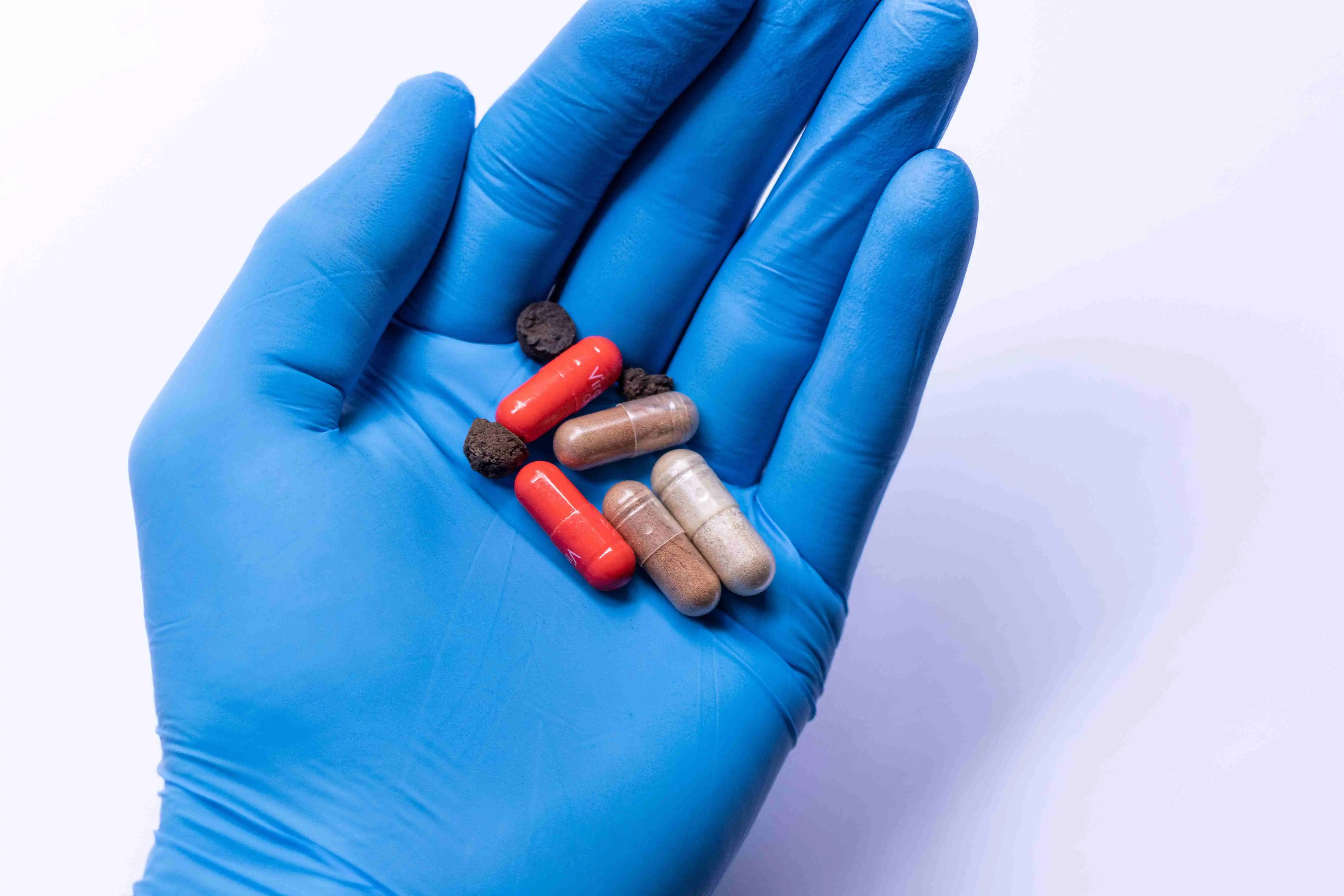
Comparing Milk Thistle Extract 80% Silymarin with Alternatives on the Market
Concentration Grades: 70%, 80%, and 90% Silymarin
The grade with 80% silymarin is a good compromise between price and strength. A 70% grade might have a lower price per kilogram, but it needs higher inclusion rates to give the same dose, which raises the cost of production and capsule fill weight. The density of a 90% grade is higher, but it comes at a much higher price and can be hard to dissolve in liquids. Most companies that make liver health supplements find that the 80% grade gives them the best value for money in terms of strength per dose.
Milk Thistle Versus Other Liver-Support Botanicals
There is a lot more clinical evidence that standardized Milk Thistle Extract 80% Silymarin protects the liver than either artichoke extract or dandelion root. Artichoke extract helps the flow of bile, but it doesn't have the membrane-protecting isomers that milk thistle does. Ursodeoxycholic acid and other man-made substances that help the liver are pharmaceutical-grade, but they are harder to get approved for use in nutraceuticals. Milk thistle with 80% silymarin is natural, backed by proof, and ready to be used in formulations.
Organic Certification and Supply Chain Transparency
Clean-label buying is becoming more and more important in B2B sourcing decisions. In the US supplement market, buyers now regularly ask for proof of tests for heavy metals, pesticide residues, and the product's country of origin. Suppliers with ISO, HACCP, Halal, and Kosher certifications, along with GMP-compliant production, provide a quality chain that can be tracked and supports compliance in both local and international markets.
Optimizing Natural Ingredient Applications Using Milk Thistle Extract 80% Silymarin
Application Across Nutraceutical, Pharmaceutical, and Cosmetic Sectors
The standardized silymarin extract works well in three main business areas. It is the active ingredient in hard-shell capsules, softgels, and tablets that are used in nutraceuticals to help the liver and heart. The high-purity isomer profile meets the needs for API-grade ingredients in pharmaceutical intermediates. Because silymarin reduces inflammation and protects against UV rays, it can be used as an active ingredient in anti-aging and anti-pollution serums. However, it needs to be stable in emulsion bases so it doesn't change the way the product looks.
Delivery Format Strategies and Bioavailability
The 80% silymarin powder is a fine, light yellow-brown powder with a mesh size between 80 and 100. It can be used for both straight encapsulation and mixed tablet forms. One problem with free silymarin is that it doesn't dissolve very well in water. When formulators work on solubility, they often combine it with phytosome technology or put it in lipid-based delivery methods to help the body absorb it better. There are already well-known liver health supplement lines in the US market that use these strategies.
OEM/ODM Integration and Customization
For contract manufacturers and private-label brands, being able to find a consistent 80% silymarin extract with a flexible minimum order quantity (MOQ) and custom mesh specifications makes the product development process easier. Suppliers who offer co-development support, such as adjusting concentrations and calibrating particle sizes, make R&D easier for buyers. This means that changes can be made more quickly between the pilot and the market launch.
Strategic Procurement of Milk Thistle Extract 80% Silymarin for B2B Clients
Supplier Evaluation Criteria
Procurement teams should make sure that the Milk Thistle Extract 80% Silymarin supplier has GMP-certified production facilities, third-party HPLC batch testing, and compliance with multiple certifications, such as ISO 9001, ISO 22000, HACCP, Halal, Kosher, and FSSC 22000. Origin-related quality risks are lower with suppliers who have integrated plantation bases and full-chain traceability. This is something that US and EU importers are becoming more concerned about during customs documentation reviews.
Before choosing a provider, here are the most important things that business-to-business buyers should check:
- Batch consistency: HPLC-verified silymarin ≥80% and silybin ≥30% across production runs, with COA provided per lot.
- Regulatory documentation: Full COA, MSDS, third-party lab reports, and export compliance files available on request.
- Stock availability: Minimum 100 tons ready stock with a production lead time of 7–15 days for additional volume.
- Delivery reliability: Shipment within 7 days of confirmed payment, with multiple logistics options including DDP service.
When big supplement and food companies manage cross-border ingredient sourcing, these criteria directly address the supply chain stability and compliance documentation needs that these companies face.
Bulk Pricing and Volume Considerations
When you buy 80% silymarin in bulk from a company that can process more than 3,000 tons of it every year, you can save money because of economies of scale. Long-term supply deals protect against spot market price changes, and free pre-shipment samples let QC teams check specs before placing big orders. On-site factory inspection support gives buyers, especially first-time buyers or those with large orders, even more confidence in their purchase.
Future Trends and Innovations in Milk Thistle Extract Applications
Expanding Research on Silymarin Beyond Liver Health
Recently, doctors have become more interested in silymarin's role in managing metabolic syndrome, which includes controlling insulin resistance and lipids. In 2020, a study published in the Journal of Functional Foods found that people who took standardized silymarin had better fasting blood glucose levels. This lets formulators put milk thistle-based products in categories other than liver detox, so they can reach the quickly growing metabolic wellness segment.
Delivery Format Innovation
Nanoparticle packaging, self-emulsifying drug delivery systems (SEDDS), and liposomal forms are all being used on silymarin to make it more bioavailable when taken by mouth. Pharmaceutical companies that buy ingredients and high-end supplement brands that want clinical-grade results are becoming more interested in these forms. As these technologies improve, high-purity, standardized silymarin at the 80% grade will still be the best starting material.
Sustainable Sourcing and Regulatory Trajectory
Regulatory agencies in the US and EU are continuing to make it harder to get botanical ingredient documentation. Suppliers who keep control of their raw materials on a plantation level and offer multiple certifications will clearly have an edge when it comes to buying. Investments in sustainable farming methods and clear tracking will have a bigger impact on how global distributors and brand partners choose partners.
Conclusion
Standardized Milk Thistle Extract 80% Silymarin at an 80% concentration level gives formulators a reliable plant ingredient that can be used in many ways and has a strong clinical background. Because it protects the liver, is an antioxidant, and has been shown to be safe, it can be used in vitamins, medicines, and skin care products. When buying for business, it's important to find certified makers who can show consistent batches, full regulatory paperwork, and a reliable supply chain. If you choose a verified provider with GMP-compliant facilities and built-in quality control, you can be sure that product claims can be backed up and supply lines stay intact during long-term commercial programs.
FAQ
What does "80% silymarin" actually mean on a specification sheet?
It means the extract contains a minimum of 80% total flavonolignans (silymarin complex), measured by UV-VIS spectrophotometry per DAB 10 method. This is the industry benchmark for liver health formulations.
Is the 80% grade suitable for both capsules and topical products?
Yes. The fine mesh 80–100 powder works in encapsulation lines and blends into oil-in-water emulsion bases for cosmetic applications. Stability testing is recommended for each specific delivery format.
What certifications should I request from a silymarin supplier?
Request ISO 9001, ISO 22000, GMP, HACCP, Halal, Kosher, and FSSC 22000 certificates alongside product-specific COA and third-party test reports.
How does silybin content relate to product efficacy?
Silybin A and B are the most biologically active isomers in the silymarin complex. A specification confirming silybin ≥30% within an 80% silymarin extract indicates higher functional potency compared to extracts that do not specify isomer ratios.
What is the typical shelf life and storage condition?
Standardized silymarin powder should be stored in a cool, dry environment away from light. Properly sealed, shelf life typically extends to 24 months from the production date.
Source Your Milk Thistle Extract 80% Silymarin from DNBIOLOGY
Since 2010, DNBIOLOGY has been sending certified botanical extracts to companies around the world that make cosmetics and nutraceuticals. As a reputable company that makes Milk Thistle Extract 80% Silymarin, we offer GMP-certified production, HPLC-verified batch consistency, 100 tons of ready-to-ship stock, and shipping times of 7 days. You can get free samples before you ship, and our team will get back to you within 24 hours. Email us at Info@dnbiology.com to get a sample, a COA, or a price quote for buying in bulk. Let's work together to make your next formulation.
References
1. Pradhan, S. C., & Girish, C. (2006). Hepatoprotective herbal drug, silymarin from experimental pharmacology to clinical medicine. Indian Journal of Medical Research, 124(5), 491–504.
2. Abenavoli, L., Capasso, R., Milic, N., & Capasso, F. (2010). Milk thistle in liver diseases: past, present, future. Phytotherapy Research, 24(10), 1423–1432.
3. Féher, J., & Lengyel, G. (2012). Silymarin in the prevention and treatment of liver diseases and primary liver cancer. Current Pharmaceutical Biotechnology, 13(1), 210–217.
4. Gillessen, A., & Schmidt, H. H. (2020). Silymarin as supportive treatment in liver diseases: a narrative review. Advances in Therapy, 37(4), 1279–1301.
5. Cacciapuoti, F., Scognamiglio, A., Palumbo, R., Forte, R., & Cacciapuoti, F. (2013). Silymarin in non alcoholic fatty liver disease. World Journal of Hepatology, 5(3), 109–113.
6. Voroneanu, L., Nistor, I., Dumea, R., Apetrii, M., & Covic, A. (2016). Silymarin in type 2 diabetes mellitus: a systematic review and meta-analysis of randomized controlled trials. Journal of Diabetes Research, 2016, 5147468.
_1784539486673.webp)