BLOG List
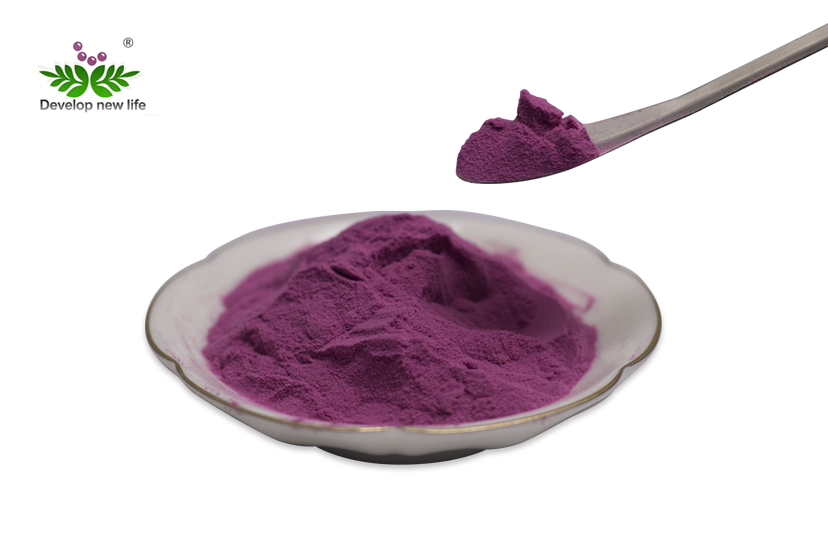
Acai Berry Extract Powder, which comes from the Euterpe oleracea palm that grows in Brazil's rainforests, has become an important ingredient in functional and nutraceutical foods. It has earned the nickname "The Amazon's Antioxidant King." This extract is great for product lines that aim to support the immune system, fight ageing, and keep the metabolism healthy. It is especially useful for procurement managers and research and development workers who want to use standardised, high-purity plant ingredients. Knowing what it is made of, where to get it, and how it can be used in different ways helps you make smart buying choices that meet both legal requirements and market demand.
Understanding Acai Berry Extract Powder: Composition, Benefits, and Usage
Origin and Extraction Technology
In the Amazon area, acai berries grow on tall palm trees. For hundreds of years, native people have eaten them. These days, water-based methods are used to increase the fruit's bioactive Chemicals while keeping the fruit's nutritional value. Whole berry powders keep the fibre and fats, but standardised Acai Berry Extract Powders give you exact amounts of anthocyanin, usually between 5% and 25% purity, which has been proven by HPLC testing. Standardisation is important for supplement makers who need to make sure that all of their batches are the same amount of effective.
To keep the berries from going bad, they need to be picked when they are ready, within 24 hours of being picked. The material is first pulped and then freeze-dried. It is then extracted with filtered water and concentrated. Finally, it is sprayed with water to make a fine powder with particles that are 80 to 100 mesh in size. This method is very different from using juice extracts or spray-dried whole fruit powders, which might have fillers like maltodextrin in them that lower the quantity of the active compounds.
Nutritional Profile and Antioxidant Capacity
The deep purple colour of the extract shows that it has a lot of anthocyanins. Cyanidin-3-glucoside is the main flavonoid that is responsible for antioxidant action. Lab tests usually show ORAC values higher than 50,000 µmol TE/100g, which puts it ahead of blueberry and pomegranate products in terms of its ability to neutralise free radicals. Because of this, it is especially useful for formulas that aim to lower reactive stress.
In addition to anthocyanins, the extract has small amounts of omega fatty acids and plant sterols, though not as much as in whole fruit powders. Formulators can get beneficial doses in smaller serving sizes by focusing on concentrated polyphenols instead of full nutritional profiles. This is a big plus for pill and tablet makers who have to work with size restrictions.
Key Health Benefits Backed by Research
Clinical studies have looked into the role of acai in heart health and found that regular consumption improves cholesterol levels and artery function. By blocking COX enzymes, the anthocyanins reduce inflammation in a way similar to commercial NSAIDs but without the side effects. This system supports supplements for joint health and healing after activity.
Another area where the product shows promise is in metabolic health. Combining proper eating with healthy lifestyle choices may help control blood sugar and keep weight in check, according to research. The polyphenols may make cells better at taking in glucose and making insulin work better, which makes the ingredient useful for metabolic health products that target modern living issues.
Immune modulation studies show that products high in anthocyanins can improve the function of white blood cells and help the body's natural defences. This makes the ingredient a good choice for seasonal health products and daily immune support supplements, especially if it is standardised to regular anthocyanin amounts that make sure it works as expected.
Safe Usage and Dosage Guidelines
Depending on the amount of anthocyanin in the supplement, the usual amount of standardised extract per dose is between 500 mg and 2,000 mg. For the same amount of bioactive release, products that are standardised to 25% anthocyanins need smaller dose sizes than products that are standardised to 5% anthocyanins. For beverage uses, 100–300 mg per serving is usually used to find a good mix between effectiveness and taste, since higher amounts can make the drink more bitter.
The safety rating has stayed high across studies, with no major side effects seen at the suggested doses. Common medications don't interact badly with the extract, but people who are making special therapeutic goods should do the right kind of tests to make sure they are safe. Because it dissolves in water, it can be delivered in a number of different forms, such as pills, tablets, powders, and liquid solutions, without the need for special encapsulation technology.
How to Choose the Best Acai Berry Extract Powder for Your Business
Quality Metrics That Matter
Standardisation is the main quality sign that tells the difference between high-end suppliers and low-end providers. The recipe is reliable because the anthocyanin content is checked using HPLC, and the difference between batches is less than 5%. Certificates of Analysis should show not only the amounts of active compounds but also tests for contaminants, such as heavy metals below 10ppm, microbial numbers below 1,000 CFU/g, and herbicide residues that are below international standards.
How the Extraction methodology is done has a direct effect on the quality of the end result. Water extraction keeps the natural flavonoid profile and doesn't leave behind liquid residues that make it harder for regulators to approve the Acai Berry Extract Powder. Suppliers who use ethanol or other organic solvents need to show proof of leftover solvent testing, especially for markets that have strict standards for pharmaceutical-grade products. The extraction ratio, which is usually written as 4:1 or 10:1, shows the concentration level, but the anthocyanin percentage is a better way to compare quality.
Physical characteristics give us more information about quality. The colour of high-quality extracts is uniformly violet-red, and there are no brown spots on the surface, that show that the anthocyanins have not broken down. Consistent particle sizes between 80 and 100 meshes allow for reliable mixing and dissolution rates in a range of formulation materials. A moisture level below 5% stops microbes from growing during storage and keeps the material flowable for automatic packaging equipment.
Essential Certifications for Market Access
Regulatory compliance is the basis for good partnerships with suppliers. ISO 9001 approval shows that a quality management system is mature, and ISO 22000 and HACCP cover food safety rules that are important for supplement and functional food uses. GMP approval is needed for pharmaceutical-grade ingredients and shows a dedication to keeping processes clean and ensuring they work properly.
When something is certified organic, it gets sold in higher-end markets and costs more, which is good for the whole supply chain. USDA Organic and EU Organic standards require recorded tracking from the plantation to the processing facility. This makes sure that the plants are real and that sustainable sourcing practices are used. Kosher and Halal certificates help businesses reach more people who have to follow religious food rules.
Verification from a Third-party testing adds authority that findings from an internal lab alone can't give. Leading providers work with testing labs that are known all over the world and do independent batch confirmation. This level of openness lowers the risk for buyers and speeds up the approval process for joining new markets.
Evaluating Supplier Reliability and Pricing
Production capacity shows how stable a company is and how well it can grow with your business. Companies that process 3,000 tonnes of plant raw materials every year have well-established networks for getting ingredients and building infrastructure. Ready stocking levels—ideally 100 tonnes or more for famous extracts—keep production from being held up by a lack of raw materials, which is a problem for smaller businesses.
Instead of just fighting on price, Pricing models should represent how well a product is positioned in terms of quality. Standardised extracts with 25% anthocyanins cost more than 5% forms, but they have better cost-per-dose economics when they are made into finished products. Volume-based price levels encourage buying in bulk while keeping fair rates that keep suppliers in business even when the market changes.
Different providers have very different Minimum order quantities. Manufacturers who have been around for a while can usually handle 1kg trial orders to help with product development. For mass production, they switch to 25kg drum orders. This gives you the freedom to keep coming up with new ideas without having to commit to large amounts of goods before the market confirms them.
Logistics Considerations for Total Cost Management
Professional operations can predict Lead time, while casual buyers can't. Reliable providers ship within 7 days of receiving payment and keep clear production schedules that let customers plan their needs. Knowing whether offered prices include shipping (DDP terms) or not (FOB origin) helps you stick to your budget and get accurate total landing cost numbers.
When you use geographical buying, you have to choose between price and supply chain complexity. Asian makers usually have lower base prices, but shipping takes longer, and quality can vary. Suppliers with established storage in the U.S. or Europe can complete orders faster and communicate more easily. They may charge a little more, but for time-sensitive product launches, the extra money may be worth it.
As you Contract negotiation, you should talk about quality standards, testing procedures, price stability times, and measures for "force majeure." A lot of the time, multi-year contracts with big promises get better prices and make sure there is a supply even when raw materials are in short supply. Having ties with two qualified suppliers gives you backup ability without making things too complicated.
The Competitive Landscape: Positioning Against Alternative Ingredients
Acai Extract Versus Whole Berry Powder
Whole acai berry powder has all of the nutrients that the fruit has, including the fibre and omega fatty acids that are lost during extraction. Because of this, berry powder can be used as a meal replacement or in a superfood mix, where it's important to make wider nutrition claims. Acai Berry Extract Powder focuses on antioxidants that are needed for medical uses that require higher polyphenol density in smaller amounts.
Even though extracts cost more per kilogram, they are cheaper per standardised dose. A 500mg tablet of 25% anthocyanin extract has the same amount of antioxidants as 3,000mg of whole berry powder. This saves money on materials and makes it easier for people to take their supplements. This economic benefit stands out more in high-end formulas where the potency of the active ingredient determines where the product is positioned in the market.
Formulation compatibility varies a lot between these types. Extracts are easy to mix with water for use in drinks, but whole powders make liquids more difficult to work with because they don't dissolve properly. The small particles in the extract and the lack of fruit solids make it possible to make clear solutions that would not be possible with whole berry materials.
Comparing Acai to Pomegranate and Blueberry Extracts
The ORAC values of pomegranate juice are about the same, but the polyphenol profiles are different, with ellagic acid dominating over anthocyanins. This makes different bioactivity patterns. For example, pomegranate is very good at helping the heart, while acai is better at fighting free radicals in general. Formulators often mix the two ingredients together to get benefits that work well together.
Acai and blueberry extract both contain anthocyanins, but blueberry extract usually has smaller concentrations at the same price. People in North America are more familiar with blueberries, which could help with marketing and balance out acai's higher tannin density. Often, the choice relies on the type of people you want to sell to and whether you want to present yourself as exotic or familiar.
The way prices change makes acai a better choice for normal high-potency uses. The price of blueberry extract changes based on how many blueberries are picked in North America. Acai, on the other hand, is steadier all year because it comes from tropical plants. When planning yearly production amounts without hedging commodity risk, this supply chain consistency is important.
Organic Versus Conventional: Strategic Considerations
Organic approval means that the product costs 20–40% more, but it also lets it be sold in natural stores and online, where clean materials are emphasised. Consumer research regularly shows that people are ready to pay more at the store for organic vitamins. This means that the difference in the cost of the raw materials usually goes away because the company makes more money.
Maintaining a certification involves keeping records of where things came from and doing checks every year, which is something that professional suppliers do as part of their regular business. Buyers should make sure that suppliers' organic certificates are up-to-date and cover the exact types of products they want to buy, since suppliers may only hold organic certificates for certain things in larger catalogues.
Optimizing Your Supply Chain: Bulk Purchasing and Logistics Excellence
Cost Efficiencies Through Strategic Procurement
When you commit to a volume, you can access price options that make formula economics much better. When you buy 500 kg instead of 100 kg a year, the cost of each kilogram usually drops by 15 to 25 percent. You can save even more when you buy 1,000 kg or more. When quality standards are the same, these economics favour putting all of your needs for various product SKUs with a single source of Acai Berry Extract Powder.
Negotiation leverage increases when buyers demonstrate market knowledge and quality requirements. Suppliers invest more heavily in relationships with informed buyers who understand extraction technology, standardization requirements, and realistic market pricing. Preparing detailed technical specifications and quality expectations before negotiations signals professionalism that commands supplier attention.
Payment terms affect the total cost in more ways than just the price. A standard 30% payment with 70% due upon receipt of the bill of lading protects both parties. However, as relationships grow, net-30 or net-60 terms may become more common, which are better for managing working capital. When cash flow allows, early payment discounts of 2% to 3% can save you a lot of money on big sales.
Working With Certified Compliant Suppliers
Supplier approval should check certifications by getting them confirmed by a third party instead of taking documents at face value. Reliable makers are open to checks by third parties and keep their certificates up to date so that they are easy to find on the internet. This openness shows that the operations are mature and that the company is committed to following the rules.
Manufacturing sites with more than one license show that they have invested in their quality systems beyond what is required. Businesses that are certified for ISO 22000, GMP, HACCP, and organic standards all at the same time show a complete quality mindset instead of just following the rules on a checklist. Most of the time, these providers give you better paperwork help for regulatory submissions and customer audits.
Traceability paperwork should show where each batch came from botanically and how it was packaged in the end. Full records of the chain of custody, including crop dates, extraction batch numbers, and test results, allow for quick action if quality problems arise. This ability to be tracked is necessary for organic approval and is becoming more and more important for conventional goods as rules around the world get stricter.
Logistics Strategies That Reduce Landed Costs
The choice of shipping way strikes a balance between cost and wait time needs. For planned stockpile restocking, sea freight cuts costs by a large amount per kilogram, while air freight handles emergency reorders and new products that need to get to market faster. When you plan well, you can keep safety stock levels that keep you from having to pay extra for goods.
How hard it is to clear customs depends on the type of goods and the rules of the target market. Suppliers with a lot of experience offer full paperwork packages that include business invoices, certificates of analysis, phytosanitary certificates, and any import permits that are needed. This thoroughness in the paperwork avoids expensive delays at the port of entry that throw off production plans.
How you store things varies depending on how often and how much you buy. Large producers often set up consignment inventory agreements with suppliers. This way, suppliers keep stock at third-party stores close to your production sites and only charge you for the materials that are used. This lowers your commitment to working capital while making sure that you have the materials right away for production runs.
Building Trust and Ensuring Quality: DN Biology's Commitment to Excellence
Manufacturing Capabilities and Quality Infrastructure
DN Biology has state-of-the-art extraction facilities with four 6-cubic-meter extraction tanks and combined concentration systems that can do vacuum drying, spray drying, stratification, and decolorisation. This vertical integration gives you full control over the whole process, from the raw plant materials to the finished Acai Berry Extract Powder. You can process up to 3,000 tonnes of material a year and make sure that each batch is the same, which is important for your production needs.
Our separate lab has high-tech analysis tools, like HPLC, GC, TLC, and UV-Vis spectrophotometers, that make sure every output batch meets the standards before it is sent out. We can provide HPLC-verified anthocyanin content along with related paperwork that meets regulatory needs in all global markets, thanks to this testing infrastructure. Third-party laboratory proof is still available upon request. This adds another level of verification that makes buyers feel more confident.
Our dedication to quality across a wide range of market needs is shown by the number of certifications we hold. Our extracts can be used in medicinal, nutraceutical, food, and skincare products all over the world because they are certified by ISO 9001, ISO 22000, GMP, FSSC 22000, HACCP, Halal, Kosher, and FSPCA. This complete set of certifications gets rid of the need for qualification delays when joining new lines of distribution.
Supply Reliability and Responsive Service
We can fill orders within 7 days, even if the harvest changes during different times of the year, because we keep 100 tonnes of famous products like acai on hand. Because these suppliers have a lot of stock and have built relationships with source farms, they don't have to deal with the supply problems that happen when suppliers don't have vertical integration or long-term buying agreements.
Our expert team is available to help you 24 hours a day, seven days a week. They can answer any questions you have about formulation or help you meet your product development deadlines. Whether you need help with optimising quantity, making sure the product is compatible with other ingredients, or getting legal paperwork ready for certain markets, our experienced professionals can help. They do this by drawing on their real-life manufacturing experience in the nutraceutical and functional food sectors.
Minimum order amounts that are flexible and start at 1 kg can be used for all stages of your innovation process, from testing new formulations to scaling up production for commercial use. This method lowers your financial risk while developing the product and builds the working relationship that will support a long-term supply partnership as your numbers grow.
Customization Capabilities and OEM Services
Our OEM/ODM services go beyond just supplying basic goods; they also include working with you to create new products in a smart way. We make custom extract blends that combine acai with botanicals that work well with it. We also change the anthocyanin concentrations to meet your needs and come up with unique formulas that are covered by secrecy agreements to keep your competitive edge.
Private label services include custom packaging in a range of sizes, from 1 kg retail pouches to 25 kg industrial drums. They also offer labelling help to make sure your products are legal in the countries you want to sell them to. This "turnkey" feature speeds up your market entry by reducing the complexity of your supply chain to a single trusted partner instead of having to coordinate with many providers.
Traceability tools that are tied to our own planting base links give full proof of ownership from the source of the plants to the final packing. This openness helps keep the organic certification and meets the stricter authenticity standards set by officials worried about plant ingredient fraud.
Conclusion
Acai Berry Extract Powder has a lot of antioxidant benefits that meet the high standards of today's nutrition, functional food, and skincare products. Standardisation, certification compliance, source dependability, and overall supply chain cost management are all important parts of successful procurement. DN Biology supports your product creation and business success by providing high-quality production, thorough quality systems, and helpful customer service. We are the strategic partner you need for constant, high-quality plant ingredients that give you a competitive edge in the rapidly changing health markets because our operations are vertically integrated, our inventory levels are kept, and we can make changes to fit your needs.
FAQ
What dosage should I use in supplement formulations?
How much of an anthocyanin is recommended depends on how standardised it is. Products with a 25% standardised extract usually have 500 to 1,000 mg per dose, which is equal to 125 to 250 mg of active anthocyanins. To get the same bioactivity from products with lower concentrations, you need to take proportionately larger amounts of them. To balance effectiveness with taste, beverages usually use 100 to 300 mg per dose. Always do stability tests to make sure that the active ingredients stay in your product for as long as it can be stored normally.
How does extract powder compare to acai juice in potency?
When compared to juice or juice blends, extract powders have a much higher antioxidant yield per gram. A normal 25% anthocyanin extract has about 100 times the amount of polyphenols that are in fresh juice when measured by weight. This higher concentration lowers the cost of shipping, extends the shelf life by keeping the product from getting too wet, and makes it possible to give exact doses in pill form, which is not possible with liquid forms. Because juice has different sensory qualities, it works well in beverage uses. Extract powders, on the other hand, let you make different kinds of products with the same recipe.
Are there allergen concerns or contraindications?
There are no usual allergen labels for acai extract, which means it is very safe. The fruit has nothing to do with tree nuts, gluten, or big allergy groups. According to clinical tests, the suggested doses don't have any major side effects. But people who take medicines that thin the blood should talk to their doctors because acai might stop blood from clotting. Buyers who are making supplements for certain medical uses should make sure that they are compatible with the goods and put standard disclaimer language on the packages of the supplements.
Partner With a Trusted Acai Berry Extract Powder Manufacturer
DN Biology has 15 years of experience extracting plants, so procurement workers can rely on them to provide approved, standardised Acai Berry Extract Powder that meets strict international quality standards. Our HPLC-verified extracts contain 25% anthocyanin, come with a full range of certifications, and can be delivered quickly (7 days) from a stock that is kept on hand. This means that there are no quality concerns or supply problems that slow down the product development process. Leading nutraceutical brands choose DN Biology as their strategic ingredient source. We encourage R&D managers, sourcing directors, and formulation scientists to ask for technical specs, sample tests, or custom formulation consultations that show why. Contact our team at Info@dnbiology.com to talk about how our OEM/ODM services, flexible MOQ starting at 1 kg, and full regulatory paperwork support can help you speed up the development of your next product while maintaining the high-quality standards that your brand's image requires.
References
1. Schauss, A.G., Wu, X., Prior, R.L., et al. "Phytochemical and Nutrient Composition of the Freeze-Dried Amazonian Palm Berry, Euterpe oleracea Mart." Journal of Agricultural and Food Chemistry, 2006.
2. Udani, J.K., Singh, B.B., Singh, V.J., Barrett, M.L. "Effects of Acai Berry Supplementation on Metabolic Parameters in Overweight Adults." Nutrition Journal, 2011.
3. Poulose, S.M., Fisher, D.R., Larson, J., et al. "Anthocyanin-Rich Acai Supplementation Improves Cognition and Reduces Oxidative Stress in Aged Rats." Nutritional Neuroscience, 2012.
4. Jensen, G.S., Wu, X., Patterson, K.M., et al. "In Vitro and In Vivo Antioxidant and Anti-inflammatory Capacities of an Antioxidant-Rich Fruit and Berry Juice Blend." Journal of Agricultural and Food Chemistry, 2008.
5. Kang, J., Xie, C., Li, Z., et al. "Flavonoids from Acai Inhibit Proliferation of Human Cancer Cells Through Modulation of Multiple Signaling Pathways." Nutrition and Cancer, 2011.
6. Mertens-Talcott, S.U., Rios, J., Jilma-Stohlawetz, P., et al. "Pharmacokinetics of Anthocyanins and Antioxidant Effects After Consumption of Anthocyanin-Rich Acai Juice in Healthy Human Volunteers." Journal of Agricultural and Food Chemistry, 2008.

You expect lab-tested quality and performance when you buy Olive Leaf Extract 20% Hydroxytyrosol for your supplement line. But procurement managers in the nutrition business keep running into the same frustrating problem: independent tests show that the "20% Hydroxytyrosol" claimed on certificates is usually closer to 12–15%. This difference isn't just a bothersome quality issue—it also hurts the effectiveness of the recipe, your brand's image, and compliance with regulations. Knowing why this gap exists and how to make sure the product is real will protect your investment and make sure that each batch performs the same way.
Understanding Hydroxytyrosol in Olive Leaf Extract
It is one of nature's strongest antioxidants, with an ORAC number that is much higher than that of vitamin C or green tea catechins. This phenylethanoid substance mostly comes from olive leaves (Olea europaea), where it is found with antioxidants like oleuropein, tyrosol, and caffeic acid. The circulatory and anti-aging benefits of the extract have made it very popular around the world, especially in functional drinks, beauty-from-within products, and cardiovascular vitamins.
Why 20% Represents the Premium Standard
High-quality Olive Leaf Extract 20% Hydroxytyrosol is more bioavailable than raw leaf powders or other options with lower concentrations. Although Hydroxytyrosol has a small molecular weight, it can easily pass through the walls of the intestines and into the brain. Because of this, it is very useful for nutraceutical uses that target oxidative stress, since smaller amounts need very high doses to have therapeutic benefits.
Bioavailability Versus Concentration
Olive oil naturally has Hydroxytyrosol in it, but the quantity is very low—usually less than 0.01%. These active Chemicals are concentrated in leaf extracts using water-ethanol extraction, such as Olive Leaf Extract 20% Hydroxytyrosol, which makes a fine powder that is light yellow to brown and has Hydroxytyrosol levels between 10% and 30%. The 20% standardization is the best compromise between potency and production stability. This is why formulators who are making high-end cardiovascular and antioxidant goods prefer it.
Why Your "20% Hydroxytyrosol" May Only Be 12% – Common Causes
The difference between what is claimed and what is actually present in Hydroxytyrosol is caused by many things happening along the supply chain. Variability in the raw materials is very important; leaves that are picked before they are fully mature or during less-than-ideal seasons have smaller amounts of polyphenols. Location is very important; olive leaves grown in the Mediterranean tend to have higher amounts of Hydroxytyrosol than leaves grown in less traditional growing areas.
Extraction Method Influences Final Potency
When done right, water-ethanol extraction of Olive Leaf Extract 20% Hydroxytyrosol keeps the structure of Hydroxytyrosol while getting rid of tannins and chlorophyll that aren't needed. These heat-sensitive polyphenols can be broken down, though, if there is too much heat during concentration or not enough quality control. Some companies use man-made Hydroxytyrosol instead of Olive Leaf Extract 20% Hydroxytyrosol or mix lower-quality extracts with very little olive leaf content. They do this by using analysis tools that measure total polyphenols instead of Hydroxytyrosol content.
Storage Conditions and Stability Degradation
When exposed to light, moisture, or high temperatures, even high-potency extracts break down. Because Hydroxytyrosol is easily oxidized, bad storage conditions, which are typical in long foreign supply lines, can lower its concentration by 30 to 40 percent before it gets to your facility. Putting things in bags that let wetness through or storing them in places that don't control the temperature speeds up this breakdown, which means that the initial Certificate of Analysis data is useless by the time of delivery.
How to Verify Hydroxytyrosol Content: A Step-by-Step Testing Guide
Setting clear quality standards before buying starts is the first step to reliable proof. Your specs should say what levels of Hydroxytyrosol (20% or less), mesh size (80 to 100), moisture (≤5%), ash (≤5%), and heavy metals (10ppm or less) are allowed. These factors set a standard that can be used to judge all future batches.
HPLC Testing Remains the Gold Standard
Independent Third-Party Laboratory Verification
Supplier-provided COAs are a good place to start, but independent testing by accredited labs is the best way to make sure that the information given is correct. Shipments should be broken up into representative samples, which should then be sent to ISO-certified testing labs that focus on analyzing plant extracts. Check the results against the supplier's paperwork and write down any differences bigger than 2%. Consistent differences show that your suppliers aren't reliable, which is a good reason to check them or renegotiate your contract.
Interpreting Deviations and Taking Action
Market Comparison: 20% vs 15% Hydroxytyrosol Extracts and Other Antioxidants
Knowing the trade-offs between concentrations helps make better choices about buying without giving up on formulation goals. Standardized 15% Hydroxytyrosol extracts usually cost 25–35% less than 20% grades, which makes them a good choice for uses that need to save money. To get the same antioxidant activity, though, the inclusion rates have to be relatively higher. This often cancels out any cost savings at first and makes formulation stability and capsule size standards more difficult.
Comparing Natural Antioxidant Sources
Other antioxidants that compete with Hydroxytyrosol include Olive Leaf Extract 20% Hydroxytyrosol, green tea extract (EGCG), grape seed extract (proanthocyanidins), and man-made options like BHT. It is better at getting into cells and protecting many different types of cells than catechin-based antioxidants, which have trouble being absorbed. The natural source and clean label draw of olive-derived ingredients also match consumers’ preferences for natural sources over artificial preservatives, which helps finished goods be positioned as high-end.
Cost-Efficiency Analysis for Bulk Procurement
Buying Tips for B2B Procurement Managers – Ensuring You Get Genuine 20% Hydroxytyrosol
Verification of approval is the first step in finding reliable sources. Check for products such as Olive Leaf Extract 20% Hydroxytyrosol, ISO 9001, ISO 22000, GMP, HACCP, Halal, and Kosher certifications in addition to basic business licenses. It's best to look for certifications from globally recognized groups rather than self-declared quality systems. These certificates show that organized quality management is used for the whole production process, from getting the raw materials to packaging them at the end.
Batch Traceability and Supply Chain Transparency
Leading makers keep full records that connect finished extracts to specific olive leaf harvests, including where the leaves were grown, when they were harvested, and how they were processed. This openness lets problems with quality be fixed quickly and shows a dedication to authenticity. Vertically integrated sellers have better control over the quality of raw materials than brokers who buy and sell on the spot market. Ask for proof of farm partnerships or owned cultivation bases.
Negotiating Terms That Protect Quality
Minimum order amounts, payment terms, and shipping times all have an effect on the quality of the results, including Olive Leaf Extract 20% Hydroxytyrosol. If a supplier's MOQ is very low, it's possible that they don't have the means to produce their own products and instead repackage stock extracts with different specs. Set up payment terms that depend on quality, releasing the final payment only after independent testing confirms the specs. Lead time promises backed by recorded inventory levels (like DNBIOLOGY's 100-ton stock capacity) protect against supply problems that force customers to buy from untested sources in an emergency at high prices.
Sustainable Sourcing and Private Labeling
Companies that say they care about social issues are being forced to record their sustainable sourcing methods more and more. Suppliers who show they care about the environment by getting organic approvals, conserving water, and following fair labor standards are in line with brand values and lower the risks in the supply chain that come with social or environmental problems. Private labeling options, such as custom strength formulas and different delivery forms (water-soluble powders, microencapsulated granules), give supplement companies a way to stand out in crowded markets.
Conclusion
The difference between what is labeled and what is actually present in Hydroxytyrosol, including Olive Leaf Extract 20% Hydroxytyrosol, is a recurring problem in getting plant extracts. This is because raw materials vary, extraction methods aren't always consistent, and sometimes people lie on purpose. In order to protect your recipes, you need to do more than just rely on the paperwork your supplier gives you. You also need to do independent HPLC testing, strict supplier approval, and ongoing batch tracking. When you pay more for certified 20% standardization, you get more formulation options, clearer label claims, and lower regulatory risk compared to alternatives with lower concentrations or providers who aren't verified. When you build relationships with honest, certified makers who offer full traceability and technical support, you move from just buying things to forming smart partnerships that improve product quality and market competitiveness.
FAQ
Is HPLC testing necessary for every batch?
It may seem expensive to do full HPLC tests on every new batch, but it is still the only effective way to check the Hydroxytyrosol content instead of measuring the total polyphenols. Risk-based testing procedures are used by many buying teams. For new sellers and initial approval runs, full analysis is done, while established partners with good quality records use statistical sampling.
What side effects are associated with olive leaf extracts?
Olive leaf extract has been shown to be very safe in clinical tests. However, very high doses (above 1,000 mg per day) have been linked to slight stomach discomfort on occasion. People who are taking blood pressure drugs should be careful around this substance because it can change blood pressure. Suppliers with a good reputation give detailed safety information, such as acute poisoning studies and suggested usage amounts for various uses.
Can supplier COAs be trusted without verification?
Certificates of Analysis that come straight from makers are a good place to start when judging quality, but they should never be the only way to be sure. Because fake papers and old test results are so common, you need to get independent proof, especially when working with a new provider or placing large orders that are above the normal procurement limits.
Partner with DNBIOLOGY for Verified Olive Leaf Extract 20% Hydroxytyrosol
DNBIOLOGY is a reliable company that makes Olive Leaf Extract 20% Hydroxytyrosol. They have been extracting botanicals for 15 years and have quality systems that include ISO 9001, ISO 22000, GMP, HACCP, Halal, and Kosher certificates. Our powder that was separated with water and ethanol always has at least 20% Hydroxytyrosol in it. This was proven by independent HPLC tests, and each batch can be traced back to the growers who provided the material. We can produce 3,000 tons of material each year and have 100 tons ready to ship right away. We meet strict requirements for quality: mesh 80–100, moisture ≤5%, ash ≤5%, and heavy metals ≤10ppm. Our specialized lab, which has cutting-edge HPLC, GC, and analysis tools, makes sure that every batch meets the strict standards for pharmaceuticals. Our expert team offers personalized advice and free samples before your order ships, whether you're making functional drinks, anti-aging cosmetics, or vitamins for the heart. Get full COAs from us by emailing Info@dnbiology.com. You can also learn how our dedication to quality, openness, and supply stability can help the success of your formulation.
References
1. Visioli, F., & Bernardini, E. (2021). "Hydroxytyrosol: Analytical Challenges and Biological Significance in Dietary Sources." Journal of Agricultural and Food Chemistry, 69(18), 5175-5187.
2. Granados-Principal, S., Quiles, J.L., & Ramírez-Tortosa, C.L. (2020). "Standardization of Olive Leaf Extracts: HPLC Methodology for Hydroxytyrosol Quantification in Commercial Supplements." Food Chemistry, 312, 126053.
3. International Olive Council. (2019). "Quality Standards for Olive-Derived Polyphenolic Compounds in Nutraceutical Applications." Technical Document COI/T.20/Doc. No. 35.
4. Smith, R.J., & Anderson, K.P. (2022). "Supply Chain Quality Variance in Botanical Extracts: A Comparative Study of Labeled Versus Actual Active Compound Content." Journal of Pharmaceutical and Biomedical Analysis, 208, 114437.
5. European Food Safety Authority. (2020). "Safety and Efficacy Assessment of Hydroxytyrosol-Rich Olive Extracts: Scientific Opinion of the Panel on Dietetic Products, Nutrition and Allergies." EFSA Journal, 18(4), 6032.
6. Chen, L., Wang, H., & Zhang, Y. (2023). "Stability Studies of Hydroxytyrosol During Storage and Processing: Impact of Temperature, Light, and Packaging Materials." Antioxidants, 12(3), 642.

Plant extract powder called Andrographis Leaf Extract Powder is made from the leaves of the Andrographis paniculata plant. People like it because it has a lot of andrographolide, which is a beneficial substance that boosts the immune system and lowers inflammation. This extract is used a lot in nutraceutical, medicinal, and functional food items because it meets the need for natural alternatives to man-made toxins in the business world. It can be used to make plant medicines, food supplements, and food for animals. It gives farmers a plant-based choice that has been shown to improve the health of the lungs and the immune system.
Understanding Andrographis Leaf Extract Powder
Botanical Origin and Extraction Process
India and Sri Lanka are the places where the plant Andrographis paniculata, which is sometimes called "King of Bitters," is native. People in China and Ayurvedic medicine have used this plant for a very long time. These days, methods that use water are used to get andrographolide and other diterpene lactones from the leaves. This doesn't make much liquid waste and keeps the plant's bioactive pure. Once the fully grown leaves are picked, they are dried, ground, and removed in a planned process. The temperature is kept low to protect the phytoChemicals.
Standardization and Quality Parameters
For sure, a good Andrographis Leaf Extract Powder has between 10% and 98% andrographolide, which can be seen with HPLC testing. The powder can be a fine brown-yellow to white powder, depending on how pure it is. An 80-mesh mesh size, less than 5% wetness, and less than 10ppm heavy metals are all important quality standards. It is very important for businesses that make drugs and supplements to know how the ingredients will work in different production cycles. These factors make sure that the product is the same from batch to batch.
Available Forms and Applications
A fine powder, pills, and liquid extracts are some of the different types of extracts that you can buy. You can use each style for a different kind of making. Extracts that are powdered are easier to shape into pills and capsules, while extracts that are liquid are easier to mix into drinks and drugs that are useful. Versions that dissolve in water are easy to mix into drinks and fizzy mixes, so they can be used for more than just normal supplement delivery methods.
Comprehensive Benefits of Andrographis Leaf Extract Powder
Immune System Support and Antiviral Properties
A study in humans has shown that andrographolide changes the immune response by altering cytokine production and making immune cells work harder. There are studies in peer-reviewed journals that show that giving Andrographis Leaf Extract Powder early on in an upper respiratory tract illness shortens its duration and reduces its severity. This substance can inhibit viral replication, making it a useful addition in seasonal health products aimed at supporting immune health.
Anti-Inflammatory and Antioxidant Effects
By stopping the NF-κB pathway, the product has strong anti-inflammatory benefits. Inflammation signs go down in both short-term and long-term cases. Because it is an antioxidant, it fights free radicals and keeps cell structures safe from reactive stress. It is very useful for making medicines that help with inflammation, heart health, and the damage that comes with getting older because it does these two things. Because it is an antioxidant, it can also be used in skin-healthy makeup.
Safety Profile and Dosage Considerations
Studies on toxicology have shown that Andrographis Leaf Extract Powder is safe to use at the recommended doses. For adults, these are usually between 400 mg and 1,800 mg per day, depending on the amount of andrographolide present. As of now, the only mild and rare side effects that could happen are stomach pain and allergic reactions in people who are sensitive. Manufacturers must give clear instructions and notes about when not to use the product, especially for pregnant women and people who are on immunotherapy. This is to make sure they follow the rules and keep customers safe.
How to Use Andrographis Leaf Extract Powder in B2B Product Applications
Formulation Strategies for Nutraceutical Products
There are a lot of different supplement types that work well with Andrographis Leaf Extract Powder. When the powder is mixed with fillers like microcrystalline cellulose and magnesium stearate to make capsules, the pills are able to flow. When pills are being made, the stable physical properties of the extract help with the breaking and coating steps. It is naturally bitter, so companies that make useful drinks should think of ways to cover up the bitter taste. To make the drink taste better without changing its bioactivity, they often mix it with natural sweeteners or fruit flavours.
Quality Control and Certification Requirements
For business-to-business buying of Andrographis Leaf Extract Powder to go well, strict quality control measures must be used. The ISO 9001, GMP, HACCP, and, if needed, organic certificates are some of the most important qualifications. A third-party lab test for heavy metals, chemical residues, and microbial contamination (total plate count ≤1000cfu/g) is also essential. This gives you even more confidence that the ingredients are clean. Companies that make things should ask for full Certificates of Analysis (COA) that show how much andrographolide is in the material, if any liquid is still present, and what its physical qualities are. These papers make it easy to send things to officials, and they also help back up claims in places like the US and EU that are being targeted.
OEM/ODM Customization Opportunities
The specs for andrographis extract that can be changed are useful for contract manufacturers and private label names. Changing the amount of andrographolide in a formula can make it more adaptable. This lets companies put their products in a range of prices and make claims about how well they work. Adding plants that work well together, like ginger, echinacea, or blackberry, makes the benefits greater and helps you stand out in the market. Packaging comes in a range of sizes, from 1 kg sample sizes to 25 kg drums, so it is possible to do both small-scale tests of new products and large-scale business production. This works for a lot of different types of businesses, from new supplement brands to well-known supplement companies.
Comparing Andrographis Leaf Extract Powder with Other Forms and Brands
Powder Versus Capsule and Liquid Formats
Each delivery style is better for production and easier for end users to use in its own way. Formulators have the most freedom and the least cost when making a lot of them, which makes powder forms perfect for brands that make their own finished goods. When the andrographis is already in a box, it's easier for distributors who work with smaller shops to move their goods, but you can't change it as much. There are liquid extracts that work quickly and are simple to mix into drinks that are useful. But they need to be stored carefully, and their weight makes it hard to ship them internationally.
Organic Versus Conventional Sourcing
Andrographis Leaf Extract Powder products are categorised by the government and customers based on how different they are from standard goods. Organic licenses, such as those from the USDA and the EU, cost more, but they let you sell foods that have been proven to be free of poisons to health-conscious customers who are willing to pay more. There is no change in the amount of power that conventional extracts have, but they do cost less. This makes them a good choice for brands that care about price and mass-market recipes. Buyers need to think about how much licensing costs, what the target group wants, and how they can position themselves against rivals.
Evaluating Supplier Reliability and Brand Reputation
There are some important things to look for in sellers of Andrographis Leaf Extract Powder as you choose one. How well a company can meet ongoing demand is shown by its production ability. The supply chain is stable because it can handle more than 3,000 tonnes of goods every year and has 100 tonnes of stock on hand. It shows that you care about meeting world standards if you have ISO 22000, FSSC 22000, Halal, and Kosher certificates. If you can trace finished extracts back to their farm sources, you can be sure that they are real and that claims of sustainability are true. Responding to customer service that is available 24 hours a day, seven days a week, and sending samples quickly (within seven days) speeds up product development and makes it easier to get a product on the market.
Purchasing Guide: How to Source Andrographis Leaf Extract Powder Wholesale
Identifying Qualified Manufacturers and Suppliers
Those who work in buying should give more weight to sellers whose vertical supply chains are fully linked and have direct links to farming bases. It is easy to keep an eye on quality from the raw materials to the end product when they are mixed together like this. The smallest amount you can buy is 1 kg, which is enough to test the method for the first time. Bulk choices in 25 kg drums let a business grow. It is important to make sure that the operations are advanced and ready for regulatory compliance. Ask for proof of GMP facility checks, analytical lab capabilities (HPLC and GC tools), and export compliance records.
Understanding Market Pricing and Value Factors
Prices for Andrographis Leaf Extract Powder change a lot based on how much andrographolide is in it, how well it is approved, and how many orders are placed. Most of the time, 10% andrographolide extracts that are standardised cost 30–40% less than 98% pure forms. Regular grades cost 15 to 25 percent less than organic grades. You can get access to tiered price systems when you agree to buy a certain number of things. You can save more when you buy 100 kg, 500 kg, or 1,000 kg. When you buy something from another country, you should add the unit cost to your total landing cost figures. This should include shipping methods (air freight vs. sea freight), customs fees, and the risk of currency exchange.
Verification Protocols and Sample Testing
To trust a seller, you need to use systematic ways to check their information. Ask for samples that have been tested before they are shipped. These samples should have current batch COAs that show HPLC chromatograms that show that andrographolide is present. A third-party lab checks what the seller says and keeps the materials from being messed with. Look at the substance's physical features, such as how well it dissolves in the materials that will be used and how evenly the particles are sized. Check to see how quickly the seller is while the sample is being evaluated. If you can talk to each other quickly and get expert help, that means you can trust each other, which is important for long-term buying relationships.
Conclusion
Andrographis Leaf Extract Powder comes from a plant and has been shown to work by science. The nutraceutical, medicinal, and functional food businesses all need more natural health options. This one fills that need. Because it has a normal amount of andrographolide, which is known to boost the immune system, and can be used in many recipes, it is a key ingredient for companies that want to attract health-conscious customers. For procurement to go well, you need to work with qualified makers who offer clear quality papers, open customisation, and a supply chain you can trust. Andrographis extract puts brands that are on the cutting edge of natural health innovation at a time when rules are moving more toward plant-based options.
FAQ
What concentration of andrographolide is most effective for immune support?
To help the immune system in general, clinical studies generally use Andrographis Leaf Extract Powder products that are standardised to 4-6% andrographolide. The daily doses range from 400 mg to 1,800 mg. It is easier for people to take their medicine as recommended when the amounts are higher (50–98%). This is because pills can be made with smaller doses. What you want to sell and how you want to market it will determine the best focus.
How can I verify the authenticity of Andrographis extract?
An HPLC test is needed to make sure that the amount of andrographolide meets the standards. The shapes of plant cells must also be examined under a microscope. A third-party lab checks for marker chemicals and DNA barcoding, which makes it more likely to be real. Trustworthy sellers back up their goods with COAs from approved labs and third-party tests.
Are there contraindications or safety concerns?
The amounts of andrographis extract that are recommended are safe for most people. Women who are pregnant, nursing, or who are taking immunosuppressant drugs at the same time should not take this medicine. People who have allergic diseases should check with their doctors first. You don't have to worry about safety when you use good extracts that meet standards for bacteria (total plate count ≤1000cfu/g) and heavy metals (≤10ppm).
Partner with DNBIOLOGY for Premium Andrographis Leaf Extract Powder
DNBIOLOGY makes sure that all of its andrographis products are of high quality. It has amounts of andrographolide that range from 10% to 98%, which we know for sure because we tested it with HPLC in our own lab. With 100 tonnes of stock on hand and the ability to process 3,000 tonnes of material every year, you can always get what you need for product creation. Some of the standards we hold are ISO 9001, ISO 22000, GMP, HACCP, Halal, and Kosher. These help companies that make nutraceuticals and functional foods get their goods into markets all over the world. When you use our OEM/ODM services, you can make goods that are perfect for your business. You can also keep track of them from the crop to the powder. We send out sample requests within 7 days, and our expert team is here to help you improve your recipes 24 hours a day, 7 days a week. Please email our Andrographis Leaf Extract Powder supply team at Info@dnbiology.com to let them know what you need and to get good bulk prices.
References
1. Saxena RC, Singh R, Kumar P, et al. A randomized double-blind placebo-controlled clinical evaluation of extract of Andrographis paniculata (KalmCold) in patients with uncomplicated upper respiratory tract infection. Phytomedicine. 2010;17(3-4):178-185.
2. Akbar S. Andrographis paniculata: A review of pharmacological activities and clinical effects. Alternative Medicine Review. 2011;16(1):66-77.
3. Jayakumar T, Hsieh CY, Lee JJ, Sheu JR. Experimental and Clinical Pharmacology of Andrographis paniculata and Its Major Bioactive Phytoconstituent Andrographolide. Evidence-Based Complementary and Alternative Medicine. 2013;2013:846740.
4. Poolsup N, Suthisisang C, Prathanturarug S, et al. Andrographis paniculata in the symptomatic treatment of uncomplicated upper respiratory tract infection: systematic review of randomized controlled trials. Journal of Clinical Pharmacy and Therapeutics. 2004;29(1):37-45.
5. Burgos RA, Hancke JL, Bertoglio JC, et al. Efficacy of an Andrographis paniculata composition for the relief of rheumatoid arthritis symptoms: a prospective randomized placebo-controlled trial. Clinical Rheumatology. 2009;28(8):931-946.
6. Chao WW, Lin BF. Isolation and identification of bioactive compounds in Andrographis paniculata (Chuanxinlian). Chinese Medicine. 2010;5:17.
.webp)
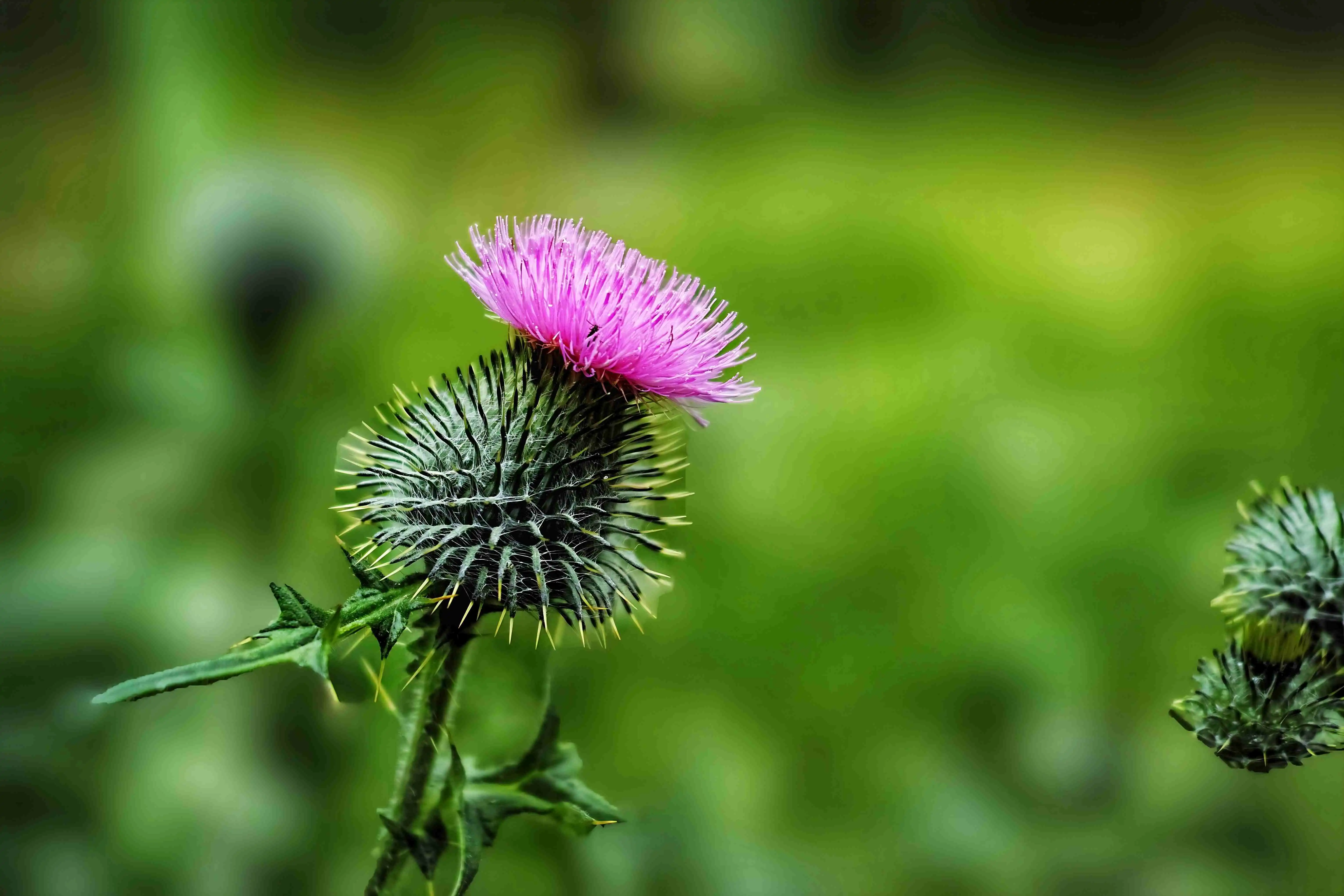
Milk Thistle Extract 80% Silymarin is a standardized botanical concentrate derived from the seeds of Silybum marianum, calibrated to contain a minimum of 80% total flavonolignans. For B2B formulators across nutraceutical, pharmaceutical, and cosmetic sectors, this concentration grade resolves the core challenge of inconsistent active ingredient delivery found in lower-grade or non-standardized botanical raw materials. By providing a verified, reproducible potency level—confirmed through HPLC analysis—it allows product developers to build reliable, market-ready formulations without batch-to-batch variability concerns that can compromise both product claims and regulatory standing.
Understanding Milk Thistle Extract 80% Silymarin: Composition and Benefits
Biochemical Profile of Silymarin
Silymarin is made up of more than one molecule. There are five flavonolignans in it: silybin A and B, isosilybin A and B, silychristin, and silydianin. The most psychoactive isomer, silybin, is usually found at ≥30% at the 80% uniformity level. This amount of isomer clarity is important for formulators who want to achieve certain biological goals, like stabilizing the membranes of hepatocellular units and stopping lipid breakdown.
Antioxidant and Hepatoprotective Mechanisms
At the molecular level, silymarin removes reactive oxygen species and stops liver cells from taking in toxins by competing with the sites where hepatotoxins bind. A study in 2015 in the journal Phytomedicine found that standardized silymarin preparations lowered alanine aminotransferase (ALT) and aspartate aminotransferase (AST) levels in people with non-alcoholic fatty liver disease by a large amount. These known bioactivities give formulation scientists clinical references that they can use to back up product claims.
Safety Profile and Dosage Considerations
Around the world, silymarin is usually thought to be safe at daily amounts of 200 to 400 mg of Standardized Extract taken by mouth. The ethanol extraction process makes a light yellow-brown powder that loses about 5% of its weight when dried and has a heavy metals content of about 10 parts per million. These levels are high enough to meet both FDA rules for food supplements and EU standards for botanical ingredients. This makes the ingredient easy to get into markets around the world.
Comparing Milk Thistle Extract 80% Silymarin with Alternatives on the Market
Concentration Grades: 70%, 80%, and 90% Silymarin
The grade with 80% silymarin is a good compromise between price and strength. A 70% grade might have a lower price per kilogram, but it needs higher inclusion rates to give the same dose, which raises the cost of production and capsule fill weight. The density of a 90% grade is higher, but it comes at a much higher price and can be hard to dissolve in liquids. Most companies that make liver health supplements find that the 80% grade gives them the best value for money in terms of strength per dose.
Milk Thistle Versus Other Liver-Support Botanicals
There is a lot more clinical evidence that standardized Milk Thistle Extract 80% Silymarin protects the liver than either artichoke extract or dandelion root. Artichoke extract helps the flow of bile, but it doesn't have the membrane-protecting isomers that milk thistle does. Ursodeoxycholic acid and other man-made substances that help the liver are pharmaceutical-grade, but they are harder to get approved for use in nutraceuticals. Milk thistle with 80% silymarin is natural, backed by proof, and ready to be used in formulations.
Organic Certification and Supply Chain Transparency
Clean-label buying is becoming more and more important in B2B sourcing decisions. In the US supplement market, buyers now regularly ask for proof of tests for heavy metals, pesticide residues, and the product's country of origin. Suppliers with ISO, HACCP, Halal, and Kosher certifications, along with GMP-compliant production, provide a quality chain that can be tracked and supports compliance in both local and international markets.
Optimizing Natural Ingredient Applications Using Milk Thistle Extract 80% Silymarin
Application Across Nutraceutical, Pharmaceutical, and Cosmetic Sectors
The standardized silymarin extract works well in three main business areas. It is the active ingredient in hard-shell capsules, softgels, and tablets that are used in nutraceuticals to help the liver and heart. The high-purity isomer profile meets the needs for API-grade ingredients in pharmaceutical intermediates. Because silymarin reduces inflammation and protects against UV rays, it can be used as an active ingredient in anti-aging and anti-pollution serums. However, it needs to be stable in emulsion bases so it doesn't change the way the product looks.
Delivery Format Strategies and Bioavailability
The 80% silymarin powder is a fine, light yellow-brown powder with a mesh size between 80 and 100. It can be used for both straight encapsulation and mixed tablet forms. One problem with free silymarin is that it doesn't dissolve very well in water. When formulators work on solubility, they often combine it with phytosome technology or put it in lipid-based delivery methods to help the body absorb it better. There are already well-known liver health supplement lines in the US market that use these strategies.
OEM/ODM Integration and Customization
For contract manufacturers and private-label brands, being able to find a consistent 80% silymarin extract with a flexible minimum order quantity (MOQ) and custom mesh specifications makes the product development process easier. Suppliers who offer co-development support, such as adjusting concentrations and calibrating particle sizes, make R&D easier for buyers. This means that changes can be made more quickly between the pilot and the market launch.
Strategic Procurement of Milk Thistle Extract 80% Silymarin for B2B Clients
Supplier Evaluation Criteria
Procurement teams should make sure that the Milk Thistle Extract 80% Silymarin supplier has GMP-certified production facilities, third-party HPLC batch testing, and compliance with multiple certifications, such as ISO 9001, ISO 22000, HACCP, Halal, Kosher, and FSSC 22000. Origin-related quality risks are lower with suppliers who have integrated plantation bases and full-chain traceability. This is something that US and EU importers are becoming more concerned about during customs documentation reviews.
Before choosing a provider, here are the most important things that business-to-business buyers should check:
- Batch consistency: HPLC-verified silymarin ≥80% and silybin ≥30% across production runs, with COA provided per lot.
- Regulatory documentation: Full COA, MSDS, third-party lab reports, and export compliance files available on request.
- Stock availability: Minimum 100 tons ready stock with a production lead time of 7–15 days for additional volume.
- Delivery reliability: Shipment within 7 days of confirmed payment, with multiple logistics options including DDP service.
When big supplement and food companies manage cross-border ingredient sourcing, these criteria directly address the supply chain stability and compliance documentation needs that these companies face.
Bulk Pricing and Volume Considerations
When you buy 80% silymarin in bulk from a company that can process more than 3,000 tons of it every year, you can save money because of economies of scale. Long-term supply deals protect against spot market price changes, and free pre-shipment samples let QC teams check specs before placing big orders. On-site factory inspection support gives buyers, especially first-time buyers or those with large orders, even more confidence in their purchase.
Future Trends and Innovations in Milk Thistle Extract Applications
Expanding Research on Silymarin Beyond Liver Health
Recently, doctors have become more interested in silymarin's role in managing metabolic syndrome, which includes controlling insulin resistance and lipids. In 2020, a study published in the Journal of Functional Foods found that people who took standardized silymarin had better fasting blood glucose levels. This lets formulators put milk thistle-based products in categories other than liver detox, so they can reach the quickly growing metabolic wellness segment.
Delivery Format Innovation
Nanoparticle packaging, self-emulsifying drug delivery systems (SEDDS), and liposomal forms are all being used on silymarin to make it more bioavailable when taken by mouth. Pharmaceutical companies that buy ingredients and high-end supplement brands that want clinical-grade results are becoming more interested in these forms. As these technologies improve, high-purity, standardized silymarin at the 80% grade will still be the best starting material.
Sustainable Sourcing and Regulatory Trajectory
Regulatory agencies in the US and EU are continuing to make it harder to get botanical ingredient documentation. Suppliers who keep control of their raw materials on a plantation level and offer multiple certifications will clearly have an edge when it comes to buying. Investments in sustainable farming methods and clear tracking will have a bigger impact on how global distributors and brand partners choose partners.
Conclusion
Standardized Milk Thistle Extract 80% Silymarin at an 80% concentration level gives formulators a reliable plant ingredient that can be used in many ways and has a strong clinical background. Because it protects the liver, is an antioxidant, and has been shown to be safe, it can be used in vitamins, medicines, and skin care products. When buying for business, it's important to find certified makers who can show consistent batches, full regulatory paperwork, and a reliable supply chain. If you choose a verified provider with GMP-compliant facilities and built-in quality control, you can be sure that product claims can be backed up and supply lines stay intact during long-term commercial programs.
FAQ
What does "80% silymarin" actually mean on a specification sheet?
It means the extract contains a minimum of 80% total flavonolignans (silymarin complex), measured by UV-VIS spectrophotometry per DAB 10 method. This is the industry benchmark for liver health formulations.
Is the 80% grade suitable for both capsules and topical products?
Yes. The fine mesh 80–100 powder works in encapsulation lines and blends into oil-in-water emulsion bases for cosmetic applications. Stability testing is recommended for each specific delivery format.
What certifications should I request from a silymarin supplier?
Request ISO 9001, ISO 22000, GMP, HACCP, Halal, Kosher, and FSSC 22000 certificates alongside product-specific COA and third-party test reports.
How does silybin content relate to product efficacy?
Silybin A and B are the most biologically active isomers in the silymarin complex. A specification confirming silybin ≥30% within an 80% silymarin extract indicates higher functional potency compared to extracts that do not specify isomer ratios.
What is the typical shelf life and storage condition?
Standardized silymarin powder should be stored in a cool, dry environment away from light. Properly sealed, shelf life typically extends to 24 months from the production date.
Source Your Milk Thistle Extract 80% Silymarin from DNBIOLOGY
Since 2010, DNBIOLOGY has been sending certified botanical extracts to companies around the world that make cosmetics and nutraceuticals. As a reputable company that makes Milk Thistle Extract 80% Silymarin, we offer GMP-certified production, HPLC-verified batch consistency, 100 tons of ready-to-ship stock, and shipping times of 7 days. You can get free samples before you ship, and our team will get back to you within 24 hours. Email us at Info@dnbiology.com to get a sample, a COA, or a price quote for buying in bulk. Let's work together to make your next formulation.
References
1. Pradhan, S. C., & Girish, C. (2006). Hepatoprotective herbal drug, silymarin from experimental pharmacology to clinical medicine. Indian Journal of Medical Research, 124(5), 491–504.
2. Abenavoli, L., Capasso, R., Milic, N., & Capasso, F. (2010). Milk thistle in liver diseases: past, present, future. Phytotherapy Research, 24(10), 1423–1432.
3. Féher, J., & Lengyel, G. (2012). Silymarin in the prevention and treatment of liver diseases and primary liver cancer. Current Pharmaceutical Biotechnology, 13(1), 210–217.
4. Gillessen, A., & Schmidt, H. H. (2020). Silymarin as supportive treatment in liver diseases: a narrative review. Advances in Therapy, 37(4), 1279–1301.
5. Cacciapuoti, F., Scognamiglio, A., Palumbo, R., Forte, R., & Cacciapuoti, F. (2013). Silymarin in non alcoholic fatty liver disease. World Journal of Hepatology, 5(3), 109–113.
6. Voroneanu, L., Nistor, I., Dumea, R., Apetrii, M., & Covic, A. (2016). Silymarin in type 2 diabetes mellitus: a systematic review and meta-analysis of randomized controlled trials. Journal of Diabetes Research, 2016, 5147468.

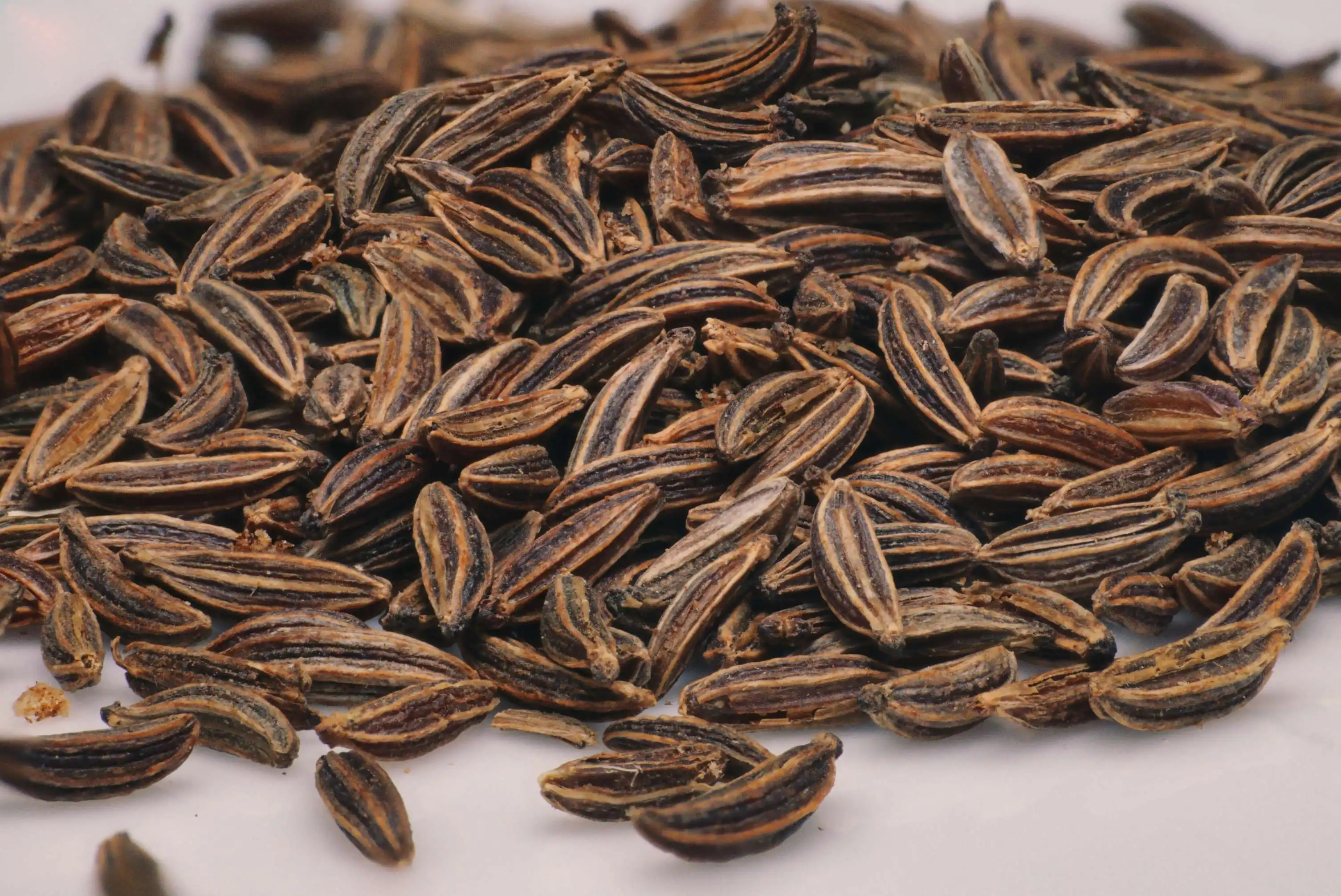
If you source botanical ingredients for beverage, food, or herbal product lines, this guide is written specifically for you. Anise Seed Extract powder—derived from Pimpinella anisum L.—has become one of the most requested functional botanical raw materials in B2B ingredient markets. With growing consumer demand for natural digestive support and clean-label flavoring, procurement teams across the nutraceutical, food, and pharmaceutical sectors are actively seeking reliable, certified suppliers. This guide walks you through what this extract is, how to source it responsibly, and why ingredient quality directly affects your finished product's performance.
Understanding Anise Seed Extract Powder: Origins, Composition, and Benefits
Botanical Background
The plant Pimpinella anisum L. is in the family Apiaceae and mostly grows in the Mediterranean and Middle Eastern areas. The seeds are picked when they are fully grown, and then they are put through a water-based plant extraction process to concentrate the beneficial Chemicals. This plant source is not the same as star anise (Illicium verum), which is from a different plant family.
Active Compounds and Standardization
Flavonoids, which were found to be at least 5% pure by HPLC tests, are the main type of medicinal substance in anise seed powder extract. Trans-anethole, anisaldehyde, and polyphenolic compounds are some other phytochemicals. Potency is proven by a 10:1 concentration ratio, which can be checked with TLC. These chemicals help with the digestive, respiratory, and protective effects that are often talked about in therapeutic herbalism writings (Journal of Ethnopharmacology, 2019).
Functional Health Benefits
Ingredients made from anise seeds have been shown to help with gut health, support the respiratory system, and keep the metabolism in balance. For people who make supplements, these useful qualities directly translate into product claims. Our powder form dissolves easily in water, so it can be easily added to pills, functional drinks, and herbal teas without any problems.
Key Considerations When Sourcing Anise Seed Extract Powder
Quality Grades and Specifications
Not all botanical extracts carry equal quality. When evaluating a potential anise extract supplier, confirm the following product specifications:
- Appearance: Brown-yellow fine powder, 80 mesh
- Active Ingredient: Flavonoids ≥5%, tested by HPLC
- Ash Content: ≤3%
- Heavy Metal: ≤10 ppm
- Solubility: Soluble in water
- Packing: 25 KG/Drum | MOQ: 1 kg
These parameters for Anise Seed Extract give your QA team the data points needed to assess batch consistency before committing to bulk orders. HPLC verification across multiple batches is the industry standard for confirming active ingredient reproducibility.
Certification Requirements
For US and international market access, supplier certifications are non-negotiable. The certificates you should request include ISO 9001, GMP, HACCP, Kosher, and Organic certification. These credentials confirm that the supplier operates under controlled manufacturing environments and meets food safety and quality system requirements. Without proper documentation—COA, MSDS, and third-party test reports—import clearance and regulatory filings become unnecessarily difficult.
Powder vs. Liquid Forms
Powdered extract offers practical advantages for most B2B applications. It provides better shelf stability, easier dosing accuracy in dry blends, and broader compatibility with capsule, tablet, and sachet formats. Water-soluble powder forms are particularly relevant for ready-to-mix beverages and herbal supplement powders. For beverage applications specifically, confirm that the extract disperses cleanly without cloudiness or sedimentation.
Comparing Anise Seed Extract with Related Products
Anise Seed vs. Star Anise vs. Fennel
Even though all three of these nutrients contain anethole, they come from different plants, have different tastes, and are regulated in different ways. Anise seed, or Pimpinella anisum, gives foods and medicines a more delicate, herbal sweetness that people like. It is also used in European sweets. Star anise, or Illicium verum, has a stronger taste and is used more often in Asian food production. With less anethole, fennel extract helps digestion in a milder way. Anise Seed Extract is still the best choice for clean-label useful goods in North American markets that make digestive health promises.
Pure Extract vs. Blended Formulations
Pure Anise Seed Extract lets formulators decide how much to use and how strong the taste should be. Blended plant products may be cheaper, but the amounts of active ingredients can change. Working with pure, Standardized Extract lets OEM/ODM companies that are making private-label supplements make more accurate label claims and more predictable clinical positioning.
Organic vs. Conventional
Whether you use standard or organic anise extract relies on the people you want to sell to and how much you want to charge. Organic certification usually comes with extra costs and requires more information about where the food comes from. Organic approval can help brands stand out on the shelf when they're trying to attract health-conscious US customers.
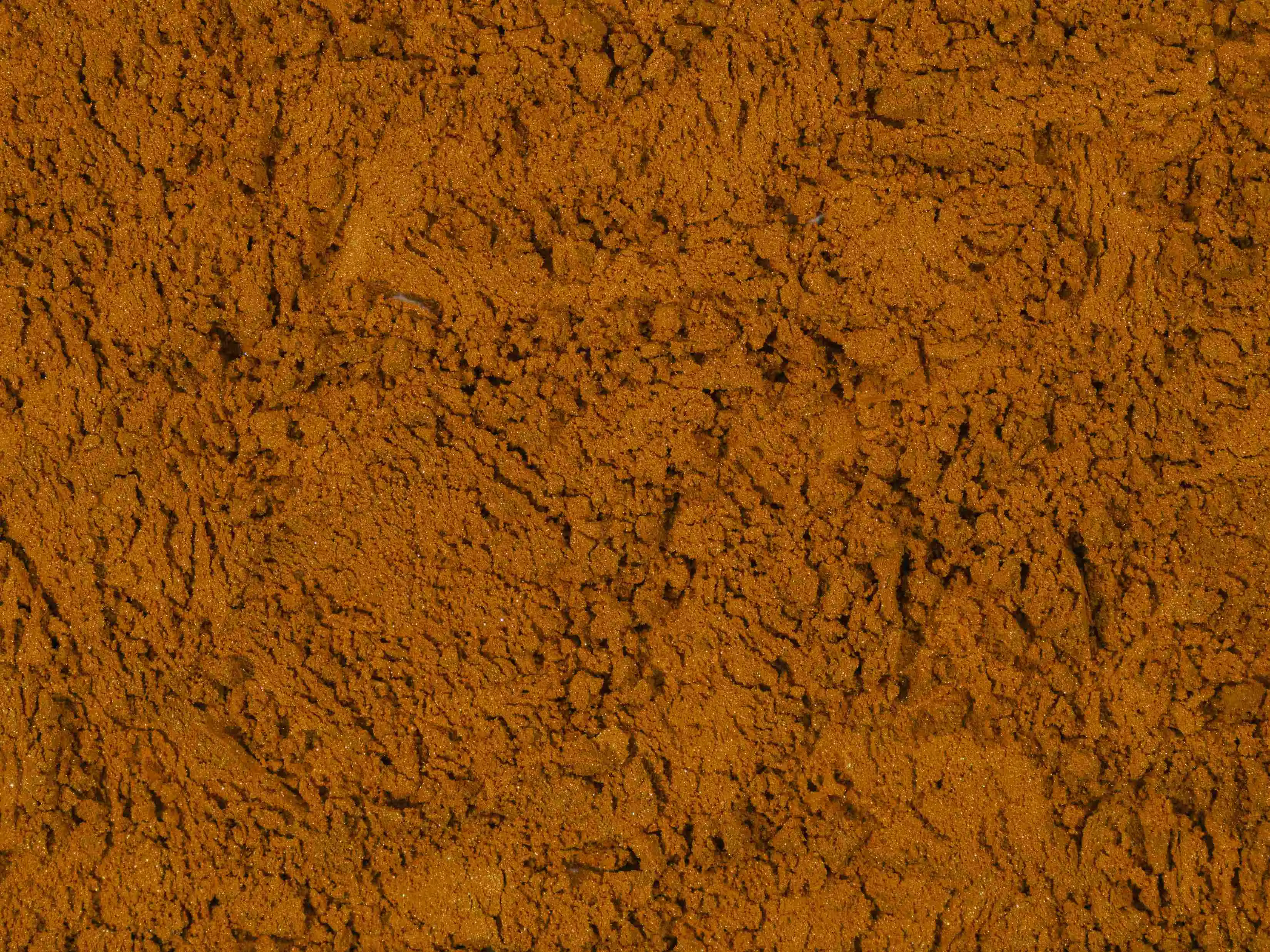
Procurement Strategies for Bulk Anise Seed Extract Powder
Evaluating Supplier Qualifications
A reliable Anise Seed Extract provider should have a number of licenses, run a GMP-certified factory, and show that their supply chain is open and honest. The independent lab at Xi'an DN Biology Co., Ltd., which was founded in 2010, is equipped with HPLC, GC, TLC, and UV-Vis instruments. Up to 3,000 tons of botanical raw materials are processed by the company every year. They currently have 100 tons in stock and can ship orders within 7 days.
Pricing, MOQ, and Shipping
International buyers should make sure they understand the MOQ rules right away. With a minimum order quantity (MOQ) of 1 kg and standard packaging of 25 kg/drum, the ordering system can handle both small samples for product development and big production runs. When paired with DDP service and different shipping choices, delivery within 7 days of payment receipt makes clearing customs easier for North American importers.
Sample Testing and Custom Formulation
Ask for a pre-shipment sample and have a third party check it out before you commit to buying in bulk. Suppliers with a good reputation fully support this process. You can get free samples before your order ships from DNBIOLOGY. They also support testing by outside labs and offer OEM/ODM services for unique concentrations and formulas. This feature is especially useful for supplement companies that are making their own mixes or private-label product lines.
Best Practices for Using Anise Seed Extract Powder in Beverage, Food, and Herbal Formulations
Dosage and Safety Guidelines
At normal effective dosage ranges, Anise Seed Extract with 5% flavonoids is well tolerated. For dietary supplements, the amount that is taken should be in line with FDA standards and the labeling requirements for the final product. When adding plant extracts to high-moisture food mixtures, you should always test for stability first.
Application in Beverages and Food Products
This extract works well in herbal teas, functional health drinks, stomach bitters, and foods that have been supplemented. Because it dissolves easily in water, it can be mixed into liquids without the need for emulsification tools. The storage tips—a cool, dry place away from light—are useful for both storing raw materials and making sure that final products last as long as possible.
Regulatory Labeling and Compliance
Labeling ingredients correctly keeps your brand and your customers safe. Make sure that your provider gives you all the paperwork you need, like the COA, MSDS, and export compliance files. This paperwork helps with both FDA submission requirements and EU regulatory filings for making ingredient levels clear.
Conclusion
It takes more than just comparing prices to find the right Anise Seed Extract powder extract. Whether or not an ingredient relationship will add long-term value to your product line depends on how consistent the batches are, how clear the suppliers are, and how much help you get with the recipe. The requirements talked about in this guide—flavonoids ≥5%, HPLC-verified, water-soluble, GMP and ISO certified—can be used as a help when buying things. The quality of your botanical raw material determines how well your finished product works, whether you are making a digestive supplement, a functional beverage, or a herbal formulation.
FAQ
What is the difference between anise seed extract and star anise extract?
They are from different groups of plants. Star anise is called Illicium verum and anise seed is called Pimpinella anisum. Both are in the family Schisandraceae. Anise Seed Extract has a more refined taste and is the best choice for medicinal and nutraceutical uses, even though both contain anethole.
How should anise seed extract powder be stored?
Keep it somewhere cool and dry, out of direct sunlight. The food should be kept in sealed, light-resistant containers below 25°C for 24 months.
Is the extract water-soluble for beverage use?
Yes. Because our anise seed powder extract is made to dissolve in water, it can be used directly in functional drinks, herbal teas, and liquid supplements.
What certifications does the product carry?
ISO 9001, GMP, HACCP, Kosher, and organic standards have all been met by the product. Every order comes with full paperwork, such as a COA and an MSDS.
Can I request a custom concentration or formulation?
Yes, DNBIOLOGY offers OEM/ODM services that can help you make custom extract ratios, powder particle sizes, and formulations that work best for your product.
Get Your Anise Seed Extract Sample from DNBIOLOGY Today
Since 2010, DNBIOLOGY has sold approved plant extracts to customers in the food, medicine, and nutraceutical industries around the world. Every order is backed by full paperwork, HPLC-verified quality, and 24/7 customer service because we are a reputable Anise Seed Extract producer. Your supply chain stays on track because you have 100 tons in stock and can ship them in 7 days. Email our team at Info@dnbiology.com to get a free sample before the order ships, certifications, and a competitive quote for your next production run.
References
1. Shojaii, A., & Abdollahi Fard, M. (2012). Review of Pharmacological Properties and Chemical Constituents of Pimpinella anisum. ISRN Pharmaceutics.
2. Boskabady, M. H., et al. (2011). Pharmacological Effects of Rosa damascena. Iranian Journal of Basic Medical Sciences — comparative botanical extract review.
3. European Medicines Agency (EMA). (2013). Community Herbal Monograph on Pimpinella anisum L., Fructus. EMA/HMPC.
4. Heinrich, M., et al. (2019). Botanical Dietary Supplements: Quality, Safety, and Efficacy. Journal of Ethnopharmacology.
5. Shahat, A. A., et al. (2011). Chemical Composition and Antimicrobial Activity of the Essential Oil of Pimpinella anisum. Natural Product Communications.
6. Pharmaceutical and Food Safety Bureau, Ministry of Health, Labour and Welfare (Japan). (2021). Standards for Botanical Ingredients Used in Foods and Supplements. MHLW Publication.
When formulators and procurement teams look for a natural, non-stimulant ergogenic ingredient, octacosanol powder consistently rises to the top of the list. Derived from plant waxes such as sugarcane wax, rice bran wax, and wheat germ oil, this long-chain fatty alcohol (C28H58O, CAS: 557-61-9) has earned its place in sports nutrition and active lifestyle formulations worldwide. With a 90% purity specification, HPLC-verified standardization, and certifications including ISO, GMP, HACCP, Kosher, and Organic, it represents a procurement-ready ingredient that meets the demands of global nutraceutical and functional food markets.
Understanding Octacosanol: Benefits and Mechanism of Action
How Does It Work at the Cellular Level?
Octacosanol works by improving the use of oxygen in mitochondria and making it easier for the body to use stored glycogen when it's working out. An article in the Journal of Nutritional Biochemistry shows that long-chain fatty alcohols raise VO2 max and lower oxygen debt in endurance athletes. This bioChemical route shows why the ingredient keeps drawing the attention of research and development teams making energy and endurance goods.
Key Performance Benefits for Athletes
A daily amount of 5–20 mg has been shown in clinical studies to help improve energy, response time, and recovery after exercise. The global sports nutrition market is worth $45 billion (Grand View Research, 2023), and these benefits are exactly what people want. For product makers, this means putting a scientifically sound claim on the label that fitness-conscious buyers will like.
Safety Profile and Dosage Guidance
Octacosanol has a good track record for safety. It is naturally found in many foods, like whole grains and veggie oils, so most people already get small amounts from their food. At normal supplement doses, no major side effects have been recorded. QA managers will notice that the ingredient doesn't contain any stimulant compounds. This means that it can be used by a wide range of people, including professional athletes who have to follow anti-doping rules.
Comparing Octacosanol with Other Performance Ingredients
Octacosanol vs. Policosanol
A mixture of several long-chain fatty alcohols makes up policosanol. Octacosanol usually makes up 60–90% of the whole thing. Because octacosanol is the main bioactive fraction, formulators can better control dosage and batch-to-batch stability when they use a high-purity 90% octacosanol extract instead of a general policosanol mix. This difference is important for R&D scientists who are making clinical-grade formulas that can be used again and again.
Octacosanol vs. Coenzyme Q10
Both nutrients work on making energy in cells, but they do so in different ways. Coenzyme Q10 works in the electron transport chain, and Octacosanol Powder mainly boosts the efficiency of oxygen transfer and glucose use. Many high-tech sports nutrition brands combine the two to work on energy production from more than one angle. This makes octacosanol an ingredient that works well with other ingredients in premium stacks instead of competing with them.
Natural vs. Synthetic Sources
Octacosanol that comes from plants, like sugarcane wax or wheat germ oil, has a clean label benefit that synthetic alternatives can't match. As governmental scrutiny of man-made ergogenic compounds grows, procurement managers looking for goods to sell in the US or EU should focus on plant extracts that can be tracked and tested by a third party.
Application in Sports Nutrition and Active Lifestyle Formulations
Energy Boosters and Pre-Workout Formulas
Octacosanol works well in capsules, tablets, and powders, which are all popular forms of pre-workout vitamins. It looks like white powder and has very small particles that make it easy to mix with other actives. It is a safe base ingredient in caffeine-free energy formulas because it is not a stimulant. This meets the needs of a growing group of customers who want clean-energy goods that don't make them jittery or keep them from sleeping.
Endurance and Recovery Products
This ingredient adds measured value to the following types of formulations:
- Endurance capsules and tablets: At doses of 10–20 mg per serving, formulators report improved oxygen efficiency claims supported by published clinical data, making this a viable ingredient for marathon, cycling, and triathlon nutrition lines.
- Muscle recovery blends: Combined with branched-chain amino acids (BCAAs) or magnesium, octacosanol supports reduced post-exercise oxidative stress, giving sports nutrition brands a differentiating feature in a crowded recovery market.
- Fortified functional foods: Thanks to its thermal stability up to approximately 80°C, it can be incorporated into energy bars and fortified cereals during the cooling phase to preserve bioactivity.
With these formulation choices, product development teams can make decisions about where to get ingredients that cover a lot of different consumer touchpoints.
Regulatory and Quality Standards
Products going to the US market need to follow the rules set by the FDA for food supplements (21 CFR Part 111). Finding Octacosanol Powder that is certified by GMP, has been tested for purity using HPLC, and comes with all the necessary paperwork (COA, MSDS, and third-party test reports) makes it easier to comply with import rules. EU buyers should also check with the EFSA to make sure that the food is a new food for their specific use and quantity.
Procurement Guide: How to Source High-Quality Octacosanol Powder?
Evaluating Supplier Certifications
Complete certification is a must-have checkpoint for any serious procurement decision. At the very least, a good octacosanol provider should have ISO 9001, ISO 22000, GMP, HACCP, Kosher, and Organic certifications. These credentials lower the risk of regulatory problems and make it easier to fill out paperwork during customs clearance. Before committing to large orders, procurement managers should also ask for third-party lab results from accredited testing facilities to make sure that claims of purity are true.
MOQ, Pricing, and Logistics Considerations
Understanding how an octacosanol supplier makes money is important for procurement teams that want to make sure they have enough inventory. Before you sign a supply deal, make sure of the following:
- Minimum order quantity (MOQ): 25 kg per drum, suitable for both trial formulations and initial production runs.
- Delivery timeline: 5–8 working days for in-stock material, enabling fast market response without overstocking.
- Packaging: 25 kg/drum with cool, dry, light-protected storage specifications to preserve stability during transit.
- OEM/ODM support: Custom concentrations and formulation formats are available for brands requiring differentiated product profiles.
By confirming these factors ahead of time, you can avoid problems in the supply chain that could cause product launches to be delayed in time-sensitive markets.
Verifying Raw Material Traceability
The best way to get organic ingredients is to be able to track them all the way from the plant to the finished powder. Suppliers who have their own plantations and laboratories with HPLC, GC, and UV-Vis instruments can provide proof of where the product came from, how it was extracted (95% ethanol), and how much of the active ingredient it contains. This level of openness helps internal quality audits and builds long-term trust with suppliers.
Conclusion
Octacosanol Powder is a clean-label option for sports nutrition and active living formulations that is backed by science. Its ability to improve oxygen efficiency and glycogen usage, along with its high thermal stability and good safety rating, makes it a good choice for nutraceutical brands, functional food makers, and contract producers. This ingredient meets the needs of both US and foreign markets well for procurement workers who care about source certification, batch consistency, and full paperwork.
FAQ
Is octacosanol safe for people with diabetes or metabolic conditions?
New studies show that octacosanol is safe for most people, even those with metabolic conditions, since it works on processes that use energy instead of insulin release. That being said, buying teams should tell their partners in regulatory affairs to look at relevant clinical literature and healthcare advice before putting specific health claims on product labels.
How does octacosanol improve athletic performance without stimulants?
It works by making oxygen transfer more efficient at the cellular level and helping the body use glycogen when it's working hard for a long time. This makes your stamina better and your tiredness level lower, but it doesn't have the negative effects on your heart that caffeine-based ergogenic aids do.
How can I verify that a supplier's octacosanol is authentic and pure?
Ask for a Certificate of Analysis (COA) that shows the 90% octacosanol content has been checked using HPLC and includes heavy metal, pesticide, and microbe limits from third-party tests. A higher level of quality responsibility is shown by suppliers who allow independent lab testing and offer free samples before shipping.
Can octacosanol be used in water-based beverage formulations?
Yes, but because it doesn't like water, it needs to be micro-encapsulated or emulsified at high shear. For R&D teams making functional drinks, working with a source that offers expert formulation help makes this process a lot easier.
Partner with DNBIOLOGY for Certified Octacosanol Powder
Since 2010, DNBIOLOGY has been a supplier of standardized plant products. They can process 3,000 tons of material each year and keep 100 tons of stock on hand. As a 90% Octacosanol Powder provider, we offer full certification coverage, free samples before shipping, and a promise to respond to customers 24 hours a day, seven days a week. Email us at Info@dnbiology.com right now to get your COA, bulk pricing, or OEM consultation.
References
1. Kabir, Y., & Kimura, S. (1995). Biodistribution of octacosanol in response to exercise. Journal of Nutritional Science and Vitaminology, 41(4), 363–371.
2. Arruzazabala, M. L., Valdés, S., Más, R., et al. (1994). Effect of policosanol successive dose increases on platelet aggregation in healthy volunteers. Pharmacological Research, 30(1), 37–42.
3. Taylor, J. C., Rapport, L., & Lockwood, G. B. (2003). Octacosanol in human health. Nutrition, 19(2), 192–195.
4. Grand View Research. (2023). Sports Nutrition Market Size, Share & Trends Analysis Report. Grand View Research.
5. Fontani, G., Maffei, D., Lodi, L., et al. (2000). Effects of policosanol on reaction time in healthy subjects. Neuropsychobiology, 41(3), 167–172.
6. Irmak, S., Dunford, N. T., & Milligan, J. (2006). Policosanol contents of beeswax, sugar cane, and wheat extracts. Food Chemistry, 95(2), 312–318.
Nervonic Acid Powder (CAS: 506-37-6) is gaining serious attention from formulators and procurement teams across the nutraceutical, functional food, and pharmaceutical sectors. As a long-chain monounsaturated fatty acid (C24:1 n-9), it serves as a direct precursor for myelin sheath biosynthesis in the central nervous system. Research published in peer-reviewed neuroscience journals confirms that declining endogenous levels of this fatty acid correlate with age-related cognitive decline, making exogenous supplementation through high-purity ingredient formats increasingly relevant for premium brain health product development.
Understanding Nervonic Acid and Its Role in Brain Health
What Makes This Fatty Acid Neurologically Significant?
One of the few food fatty acids that can cross the blood-brain barrier is called cis-15-tetracosenoic acid. It is usually sold as a white solid powder. Once it is taken, it joins with sphingolipids to make the myelin sheath, which is the protective layer around nerve fibers that sends signals quickly and accurately. Neurons can't talk to each other as quickly when they don't have enough myelin. This is linked to early stages of neurological diseases like Alzheimer's and adrenoleukodystrophy.
Plant-Based Origins and Modern Extraction Methods
In the past, this substance was taken out of shark brain tissue. These days, sustainable commercial production mostly comes from the seed oils of Acer truncatum (Purpleblow Maple) and Malania oleifera, which are extracted using ethanol and then distilled using molecular distillation. We use 95% ethanol as the extraction solvent at DN Biology. This makes a final product that is 98% pure (checked by GC analysis) and keeps the amount of residual solvent well below the ICH Q3C compliance thresholds.
Purity Standards and Dosage Relevance for B2B Clients
For people who make supplements, purity directly affects how accurate the dosage is. At 98% specification, every gram of the ingredient gives a consistent amount of active fatty acid. Both HPLC and GC-FID tests confirm the C24:1 peak area and keep an eye on the levels of C22:1 (erucic acid), making sure they stay within safety limits. Another test that is done on each batch is an ICP-MS test for heavy metals and peroxide value (<2.0 meq/kg). Lead, arsenic, cadmium, and mercury are all kept below 0.1 ppm.

Comparing This Ingredient with Other Brain Health Actives
DHA and Fish Oil: Complementary, Not Equivalent
DHA (docosahexaenoic acid) has been the main omega-3 in brain health products for a long time. It helps keep the membranes of neurons wet and lowers inflammation in the brain. However, DHA does not directly help build the myelin sheath through the same biological process. C24:1 fatty acid fills a clear need—its part in making nervonyl sphingolipids helps fix the problem with myelin repair that regular omega-3 supplements can't.
Phosphatidylserine: Different Mechanism, Different Target
Phosphatidylserine helps cell membrane signaling and has been shown to improve memory and focus in older adults. It works by increasing the sensitivity of receptors at the neural level. Nervonic Acid Powder, on the other hand, works upstream at the molecular level to fix the protective sheath around the nerve fiber before signal transmission even starts. When procurement teams are making cognitive recipes with more than one ingredient, they often find that adding both ingredients makes the label claims and support positioning more complete.
Why Purity and Certification Change Procurement Decisions?
A product with 90% specification and one with 98% specification may look the same on a spec sheet, but they work differently when mixed together. Batches that are mislabeled or oxidized can make the product less stable and put customers at risk. Certification from ISO, GMP, HACCP, and Kosher programs gives purchasing managers written quality assurance that lowers supplier risk. This is a must-have standard for brands that want to enter regulated markets in the EU and the US.
Procurement Strategies for B2B Nutrition Markets
Supplier Qualification: What to Check Before You Order
It takes more than looking at a Certificate of Analysis to choose a good supplier. As part of a responsible buying process, GMP manufacturing paperwork, ISO 9001 and ISO 22000 certification, and support for third-party lab tests should all be checked. Making sure that the supplier has its own analytical lab with HPLC, GC, TLC, and UV-Vis tools gives you peace of mind that the batch data was produced by the seller itself and not taken from a third-party dealer.
Before making a big order, procurement teams should make sure of these core qualification checkpoints:
- Certification completeness: ISO 9001, ISO 22000, GMP, HACCP, Kosher, and Organic certificates should all be current and traceable to specific production batches.
- Testing transparency: Third-party lab reports covering fatty acid profile, residual solvents, heavy metals (ICP-MS), and microbial counts (USP <61>) should be available upon request.
- Stock and lead time: Confirm in-stock availability for rapid order fulfillment; at DN Biology, standard stock stands at 100 tons, with a 5–8 working day delivery window and 7-day shipment from confirmed payment.
Third-party lab reports on fatty acid profile, residual solvents, heavy metals (ICP-MS), and microbial counts (USP <61>) should be available upon request as proof of testing transparency.
MOQ, Packaging, and Logistics Considerations
These checkpoints directly lower quality risk and sourcing delays for companies that make a lot of nutraceuticals.
Long-Term Supply Agreements and Risk Management
For customers who need a unique concentration or OEM packaging, we can change the recipe to meet their needs.
Innovation in Premium Nutrition Products
Functional Food and Supplement Applications
Supplement companies are putting Nervonic Acid Powder in capsules, softgels, and memory-boosting powder blends for adults over 50, students, and workers. It works well with phosphatidylserine, lion's mane extract, and bacopa, which makes it an important part of nootropic stacks. Functional food makers are also looking into encapsulated forms for adding nutrients to drinks, but they need to be very careful to keep the lipids stable during processing.
Navigating US and EU Regulatory Frameworks
This ingredient is sold as a dietary supplement in the US as a dietary supplement part. The label says that it helps with brain health by supporting structure and function. EU novel food regulations say that ingredients that haven't been used before 1997 need to be approved first. Product developers who want to sell their products in both markets should work with their regulatory affairs team to get COA paperwork, MSDS files, and origin traceability reports from the ingredient provider. DN Biology provides all of this paperwork as standard.
Market Trends Supporting Commercial Viability
Grand View Research says that the global market for brain health supplements was worth About UsD 7.6 billion in 2023 and will continue to grow at a CAGR of 8.1% until 2030. People are becoming more interested in neuroprotective ingredients, white matter integrity, and the health of myelin because the population is getting older and people are becoming more aware of early-onset cognitive decline. Brands that come into this market now with ingredients that have been proven to work in clinical trials have a clear positional advantage.
How to Choose the Right C24:1 Ingredient for Your Product?
Define Specifications Before You Sample
Before asking for samples, product developers should be very clear about the purity level they need (98% is recommended for clinical-grade positioning), the smallest particles that can be used for encapsulation, and how well the new system will work with the old one. To keep their solubility in finished products, lipophilic ingredients need to be encapsulated or carried in a certain way.
Verify Identity and Stability Through Rigorous Testing
GC-FID is the usual way to check the identity and purity of C24:1 fatty acids. Specifically, the peroxide value and anisidine value show that the lipid chain has not been broken down during storage or extraction. Products that are kept in sealed drums that are cool, dry, and away from light stay stable. Our recommended storage condition is a cool, dry place away from light, which is also the standard way to handle fatty acids.
Build a Supplier Evaluation Checklist
A useful evaluation method for the sourcing and quality assurance teams should include looking over the paperwork, having samples tested by a third-party lab, and comparing at least one reference batch. DN Biology supports plant checks that happen on-site and offers free samples before they are shipped. Multiple technical patents, a 15-year history of making plant extracts, and a promise to respond to customers 24 hours a day, seven days a week make it easy for new clients to become qualified.
Conclusion
The science behind taking extra C24:1 fatty acids is well-established, and it's clear that the business opportunity in brain health nutrition is growing. Finding a 98% pure ingredient with all the necessary regulatory paperwork is the easiest way for nutraceutical brands, functional food makers, and contract manufacturers to make unique brain health products that are in line with regulations. Nervonic Acid Powder from DN Biology is in stock, certified, and can be tracked to meet that standard for both large-scale and custom-quantity purchases.
FAQ
What is the recommended storage condition for this ingredient?
Store in a cool, dry place away from direct light. The product is packaged in 25KG sealed drums to minimize oxidation exposure during transit and warehousing. Proper storage maintains a peroxide value below 2.0 meq/kg and preserves the integrity of the C24:1 fatty acid chain.
What certifications does DN Biology's product carry?
The product holds ISO, GMP, HACCP, Kosher, and Organic certifications. Full documentation—including COA, MSDS, and third-party test reports—is available upon request to support import compliance and market registration in the US and EU.
Can we request a custom concentration or OEM packaging?
Yes. DN Biology supports OEM packaging and custom formulation development based on client specifications. Contact our team to discuss concentration requirements, particle size, and labeling needs before placing your first order.
What testing methods are used for quality verification?
Each batch undergoes GC-FID for fatty acid profile confirmation, ICP-MS for heavy metals, residual solvent analysis per ICH Q3C, and microbial testing to USP <61> standards. HPLC verification is available for additional identity confirmation upon request.
What is the minimum order quantity and lead time?
The MOQ is 25 kg, packaged in a single 25KG drum. Standard delivery is 5–8 working days from confirmed payment, with in-stock availability of 100 tons and a 24/7 customer response commitment.
Partner with DNBIOLOGY for Certified Nervonic Acid Powder Supply
DNBIOLOGY offers verified Nervonic Acid Powder at 98% purity—certified under ISO, GMP, HACCP, and Kosher standards—with in-stock availability and a 5–8 working day delivery window. As a trusted Nervonic Acid Powder manufacturer with 15 years of botanical extract experience, we support OEM packing, third-party testing, and full regulatory documentation. Contact our team today to request free pre-shipment samples or discuss custom formulation needs.
📧 Email: Info@dnbiology.com
🌐 Website: dnbiology.com
References
1. Sargent, J. R., & Coupland, K. (1994). "Nervonic acid and brain development." Prostaglandins, Leukotrienes and Essential Fatty Acids, 50(6), 375–378.
2. Poulos, A. (1995). "Very long chain fatty acids in higher animals—A review." Lipids, 30(1), 1–14.
3. Bazan, N. G. (2006). "Cell survival matters: Docosahexaenoic acid signaling, neuroprotection, and photoreceptors." Trends in Neurosciences, 29(5), 263–271.
4. Grand View Research. (2023). Brain Health Supplements Market Size, Share & Trends Analysis Report, 2023–2030.
5. Weylandt, K. H., & Kang, J. X. (2005). "Rethinking lipid mediators." The Lancet, 366(9486), 618–620.
6. Food and Agriculture Organization of the United Nations (FAO). (2010). Fats and Fatty Acids in Human Nutrition: Report of an Expert Consultation. FAO Food and Nutrition Paper No. 91.
Red clover extract powder has established a strong position in global plant extract procurement, driven by its concentrated isoflavone content and broad application potential. For B2B buyers sourcing botanical ingredients—whether for nutraceuticals, cosmetics, or pharmaceutical formulations—finding a manufacturer that balances product consistency, regulatory compliance, and responsible sourcing is no simple task. This article breaks down the market landscape, real supply chain challenges, and practical criteria for selecting a trustworthy Trifolium pratense extract supplier who can support your product pipeline long-term.
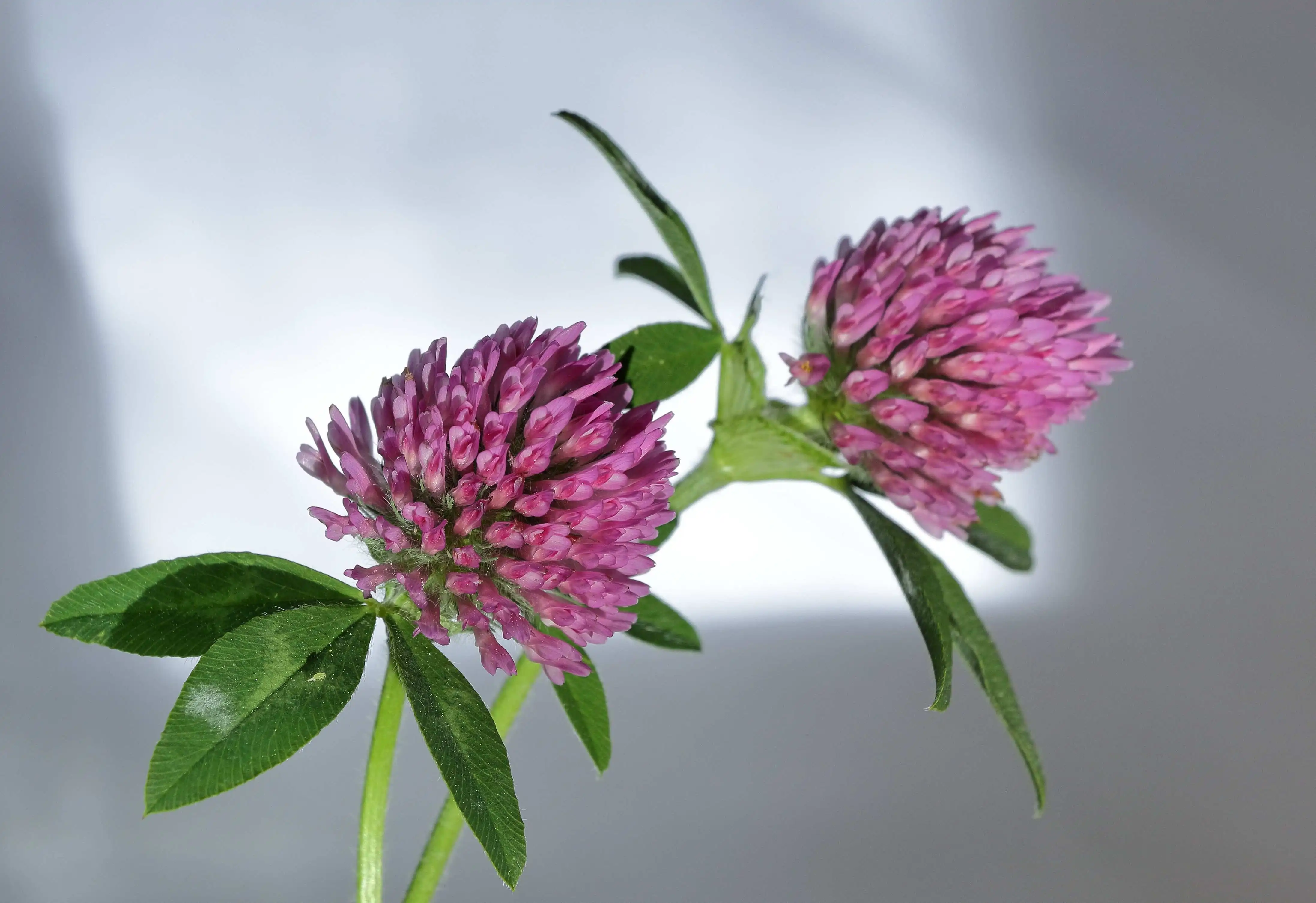
Understanding Red Clover Extract Powder and Its Market Demand
What Makes This Extract Valuable?
Red clover isoflavone extract comes from the flowering tops of Trifolium pratense L. and has four main phytoestrogens in it: Biochanin A, Formononetin, Daidzein, and Genistein. Because these Chemicals work with estrogen receptor beta (ERβ), this extract is a popular natural ingredient for managing menopause symptoms, improving bone density, and keeping hormones in balance. It has more phytoestrogens than isoflavones produced from soy and doesn't come from GMOs, which makes it appealing to clean-label brands.
Sectors Driving Procurement Growth
Several industries are seeing faster growth in demand. Dietary supplement companies put it in capsules and tablets to help women going through menopause. Because it can rebuild collagen and fight free radicals, the extract is used in anti-aging serums by cosmetic formulators. Functional beverage businesses want grades that dissolve in water for use in powdered drinks. Its uniform isoflavone content is important to the pharmaceutical industry because it is a natural active chemical that has been shown to work in clinical studies.
Market Signals B2B Buyers Should Watch
Grand View Research's 2023 report on the global nutraceuticals market says that the plant extracts group continues to grow at a rate of over 6% per year. Buying teams are putting more and more emphasis on GMP-certified and organic-verified raw materials that can pass FDA and EU regulations. Because of this change, choices about where to get goods now depend on the quality of paperwork and the ability to track them as much as they depend on price per kilogram.
Challenges in Red Clover Extract Powder Supply Chains
Batch Inconsistency and Standardization Gaps
One problem that buyers keep having is that the amount of isoflavone varies from batch to batch. When plants are harvested in different areas or at different times of the year, the extract they produce may not be as effective, which can lower the quality of finished products. Without HPLC verification at every stage of production, buyers could get material that doesn't match what's on the label, which is a big problem for regulators in places like the US.
Supply Disruptions and Transparency Deficits
Seasonal harvest cycles, geopolitical shipping delays, and unclear supplier processes make buying Red Clover Extract Powder risky for people who buy a lot. Supply chain planning isn't reliable when a supplier can't confirm where raw materials come from, how they are managed at the planting base, or how much stock is available at any given time. To keep production plans, contract makers and OEM producers need lead times that they can count on and minimum order flexibility.
Regulatory and Quality Risk Exposure
Heavy metals above 10 ppm, microbial counts above 1,000 cfu/g, and pesticide residue violations are all examples of contamination risks that can lead to product recalls, import rejections, and damage to a company's reputation. Buyers must make sure that the supplier has certifications like ISO 9001, GMP, HACCP, Halal, and Kosher that are recognized by their target markets and that third-party lab tests are done.
Sustainable Manufacturer Solutions for Reliable Red Clover Extract Supply
Traceability From Planting Base to Final Powder
The supply chain for Xi'an DN Biology Co., Ltd. is fully integrated and goes straight to the company's own growing base. This gives buying teams information about where goods came from, how they were grown, and when they should be harvested. Full-chain tracking means that each batch of brown-yellow isoflavone powder can be tracked from the raw botanical material to the finished extract. This meets the direct paperwork needs of managers in charge of regulatory affairs and quality assurance teams.
Here are the main signs of a trustworthy company when it comes to quality control:
- Standardized active ingredient: Isoflavone ≥40%, verified by HPLC at each production stage, ensuring label claim accuracy for supplement and pharmaceutical buyers.
- Controlled contamination limits: Heavy metals ≤10 ppm and total microbial plate count ≤1,000 cfu/g, meeting FDA and EU safety thresholds for food supplement applications.
- Consistent physical specifications: 80-mesh brown-yellow fine powder, water-extracted using clean solvent processes, packaged in 25 kg drums for bulk B2B shipping.
- MOQ flexibility: Starting from 1 kg for sampling and formulation trials, scaling to bulk orders supported by 100 tons of ready stock and 3,000-ton annual production capacity.
These requirements make it easier for procurement managers to switch sources or start new product lines without having to worry about quality issues or where to get the materials they need.
Certification Infrastructure That Supports Global Market Access
The Red Clover Extract Powder is certified by ISO 9001, ISO 22000, GMP, FSSC 22000, HACCP, Halal, Kosher, and the FSPCA. For buyers who are sending goods to markets in the US or Europe, this certification portfolio makes customs paperwork easier and speeds up the registration process. Each package comes with a full COA, MSDS, and third-party test report, which meets the needs of regulatory affairs teams without a lot of back-and-forth.
OEM/ODM Capabilities for Custom Formulation Needs
Product development managers and R&D teams often need more than a normal commodity extract. DN Biology has an in-house lab with HPLC, GC, UV-Vis, and TLC instruments that can help with custom concentration requirements, different types of extracts, and formulation consulting. The OEM/ODM program can meet your project-specific needs with a 7–15 day production lead time, no matter if your formula needs a standardization of 8%, 20%, or 40% isoflavone or a specific particle size for encapsulation or beverage blending.
How to Evaluate and Select Red Clover Extract Powder Manufacturers?
Certification and Documentation Verification
Make sure that the supplier's certifications cover the international market you want to reach before you make a decision. Ask for the real certificates, not just the images on the website. Find out if testing by a third-party lab is common or only available when asked for. A reputable company that makes Trifolium pratense extract should offer free samples before the order ships and answer technical questions within 24 hours.
Assessing Supply Stability and Scalability
Check to see if the manufacturer has enough ready-to-ship items for the amount of orders you expect. DN Biology keeps 100 tons of stock on hand and has a 7-day shipping window after payment is confirmed. This level of inventory readiness directly lowers the risk of production breakdowns for supply chain managers who are in charge of just-in-time buying.
Comparing Organic vs. Conventional Extract Options
Organic-certified Red Clover Extract Powder costs more, but it can be used in clean-label and natural product markets where customers and retailers want proof that the products were not made with synthetic materials. It is still cheaper to use conventional extracts in medicinal or industrial settings where organic marking is not a sales driver. Figuring out which tier fits your market positioning helps you narrow down the list of suppliers to those whose certification portfolio fits with your product strategy.
Future Outlook: Advancing Sustainable Practices in Plant Extract Manufacturing
Precision Agriculture and Yield Optimization
Improvements in choosing varieties and managing the land for growing Trifolium pratense are making the raw material more consistent even before it is extracted. Manufacturers with combined growing bases are better able to use these methods, which lowers the variation in raw materials that leads to quality issues further down the line.
Digital Traceability and Blockchain Integration
Supply chain transparency tools are becoming normal in the B2B ingredient buying process. Full-chain documentation and blockchain-based tracking from the field to the workplace give buyers records that can be checked and meet both internal quality standards and external legal requirements. This technology is especially useful for ingredient distributors who handle supplies from a lot of different sources.
Expanding Application Formats for Diverse Markets
Standardized botanical extracts are coming in a growing number of different product formats. In the development of healthy drinks, water-soluble grades are becoming more popular. Micronized powders are used in packaging lines that need precise fill weights. As the market splits up even more, OEM manufacturers who can change the specifications of extracts to fit the needs of specific applications will have an edge over their competitors.
Conclusion
It takes more than just comparing prices to find standardized Red Clover Extract Powder isoflavone extract for business-to-business uses. For this to work, the provider needs to be able to show where the ingredients come from, have approved production methods, keep track of contamination, and have the technical knowledge to help with custom formulation projects. DN Biology has been in business for 15 years and has an integrated planting base, multi-certification compliance, and 100 tons of ready stock. These factors make it a good partner for supplement brands, cosmetic manufacturers, buyers of pharmaceutical ingredients, and global distributors looking for a reliable long-term supply.
FAQ
Is red clover isoflavone extract safe for long-term use in finished products?
Menopause: The Journal of the Menopause Society published research in 2007 that shows that taking red clover isoflavone supplements is generally well tolerated. When it comes to B2B formulation, safety data depends on uniform active content and proven contamination limits. Before adding any botanical extract to final goods, you should always check the COA and test results from a third party.
What isoflavone concentration is typically recommended for menopausal support formulations?
Daily amounts of 40–160 mg of total isoflavones are often used in clinical studies. A lot of the time, supplement makers use 40% standardized samples to get the right doses into ordinary capsules. Talk to your R&D formulation team and look at written clinical research to figure out what the right specifications are for your product.
How does an organic-certified extract differ from a conventional one for procurement purposes?
Organic approval means that no man-made fertilizers, pesticides, or herbicides were used during the growing process. Organic verification is a must for sourcing teams that want to sell through clean-label or natural outlets. Even though conventional extracts may meet the same standards for purity and potency, they don't have the approval paperwork that is needed to say on the package that they are organic.
Partner With DNBIOLOGY — Your Trusted Red Clover Extract Powder Supplier
Since 2010, DNBIOLOGY has sold approved plant extracts to customers around the world in the cosmetics, nutraceuticals, and pharmaceutical businesses. We make sure that our Red Clover Extract Powder has at least 40% isoflavones by using HPLC. It also has ISO 9001, GMP, HACCP, Halal, and Kosher certifications to back it up. We are ready to help you with your next formulation project. We have 100 tons of ready stock, ship within 7 days, offer OEM/ODM support, and offer free pre-shipment samples. Email us at Info@dnbiology.com right now to get a sample or talk about prices for large orders.
References
1. Grand View Research. Botanical Extracts Market Size, Share & Trends Analysis Report. 2023.
2. Howes, J. B., et al. "Effects of dietary supplementation with isoflavones from red clover on ambulatory blood pressure and endothelial function in postmenopausal type 2 diabetes." Diabetes, Obesity and Metabolism, 2003.
3. Atkinson, C., et al. "The effects of phytoestrogen isoflavones on bone density in women: a double-blind, randomized, placebo-controlled trial." The American Journal of Clinical Nutrition, 2004.
4. Coon, J. T., et al. "Trifolium pratense isoflavones in the treatment of menopausal hot flushes: a systematic review and meta-analysis." Phytomedicine, 2007.
5. Imhof, M., et al. "Endometrial safety of a red clover isoflavone extract in postmenopausal women." Maturitas, 2006.
6. International Organization for Standardization. ISO 22000: Food Safety Management Systems — Requirements for Any Organization in the Food Chain. 2018.
Phytosterol Powder is a plant-derived sterol concentrate — primarily composed of β-Sitosterol, Stigmasterol, Campesterol, and Brassicasterol — that gives nutritional food manufacturers a clinically supported, clean-label ingredient for heart-health formulations. By competitively inhibiting intestinal cholesterol absorption, it meets FDA and EFSA health claim thresholds while fitting cleanly into solid and functional food formats. For manufacturers sourcing at scale, it resolves three persistent problems: batch inconsistency, regulatory documentation gaps, and formulation instability in lipid-based matrices.
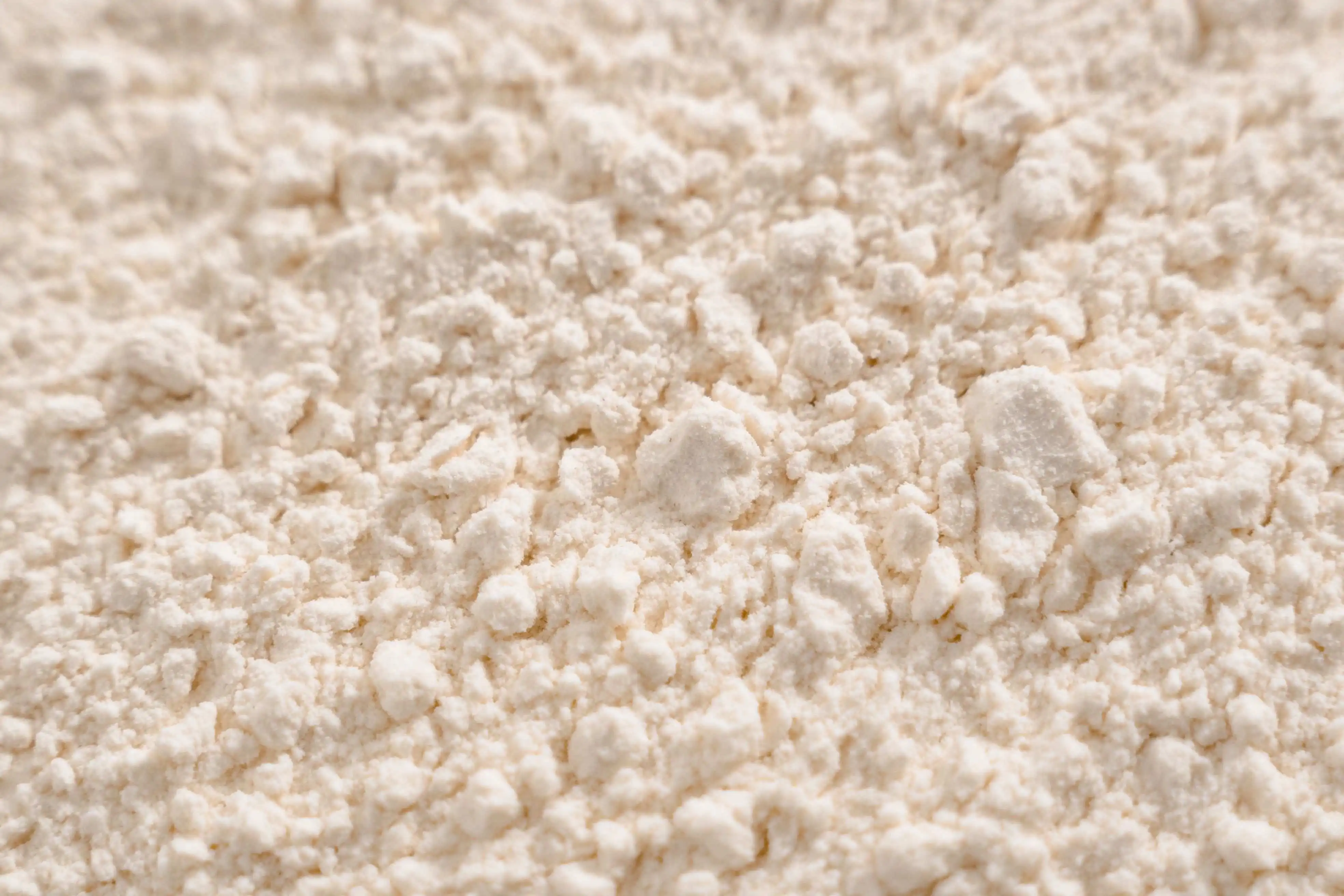
Understanding Phytosterol Powder: Composition and Functional Benefits
What It Is and Where It Comes From?
Plant sterols are structural parts of plant cell walls. Soybean oil distillates, rapeseed oil, corn oil, and pine tall oil all have a lot of them. The CAS 83-46-5 pure white crystalline powder form has a clear sterol profile that has been confirmed by gas chromatography. It is 99% pure, which means it has the largest concentration of active ingredients on the market. β-Sitosterol usually makes up 40–55% of the total sterol content.
The Cholesterol-Lowering Mechanism
The structure of phytosterols is similar to that of cholesterol. They compete for the same micellar absorption sites in the digestive tract, pushing cholesterol out of the way before it can get to the rest of the body's circulation. A study in the American Journal of Clinical Nutrition found that taking 2 grams of plant sterols every day can lower LDL cholesterol by 8 to 10 percent on average. This method has been studied a lot and is approved by the FDA for qualified health claims on food labels.
Safety, Dosage, and Regulatory Standing
Phytosterols have a good safety record that is accepted by many regulatory bodies. Foods that have at least 0.65 g of plant sterol esters per serving can make health claims that are approved by the FDA. The EFSA lets the same kinds of claims be made about free sterols at 0.8 g per dose. The recommended daily amount is between 1.5 g and 3 g. Our 99% Phytosterol Powder is approved by ISO, GMP, HACCP, Kosher, and Organic standards at DNBIOLOGY. This means that it can be sold in markets in North America, Europe, and other places.
Phytosterol Powder vs. Alternative Ingredients: Making the Right Choice for Your Product
Free Sterols vs. Sterol Esters
Both forms work, but they are best used for different formulation tasks. Our 99% grade of free sterol powder is great for solid dosage forms like pills, tablets, and powder sachets because it has more strength per unit weight. Because they are waxy and attract fat, sterol esters work best in spreads, dairy drinks, and oil-based systems. Which one you choose depends on the format you want to make and the solubility needs of your manufacturing process.
Phytosterols vs. Fish Oil and Statins
It's important to note that fish oil works differently than phytosterols because it lowers triglyceride levels instead of LDL cholesterol. Statins are drugs that can only be gotten with a prescription; they can't be used as food ingredients. Phytosterol Powder is regulated in a special way because it can be used in food and supplements and can make health claims without a prescription. This gives producers a natural, cheap ingredient that is easy to get and doesn't fail clean-label tests.
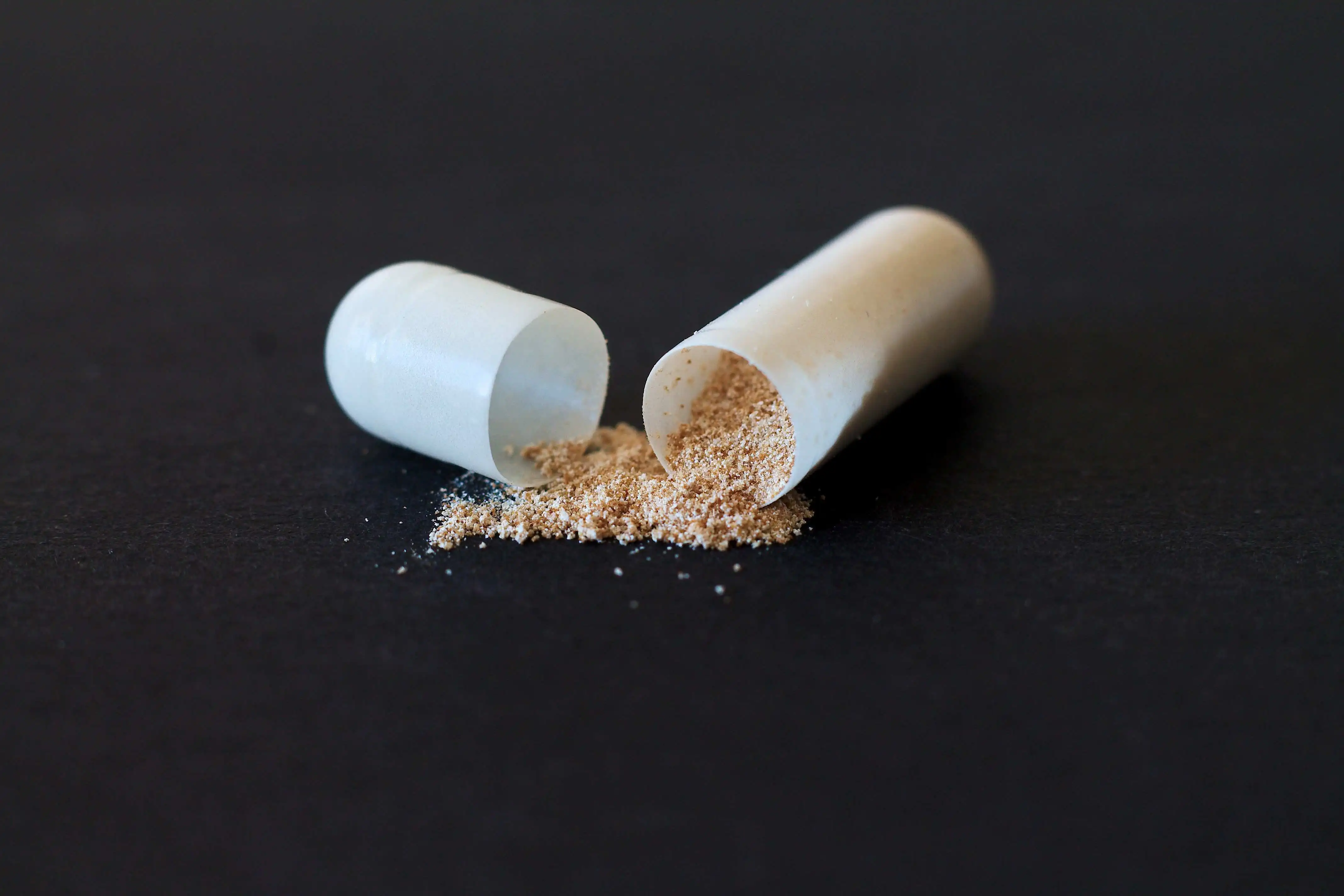
Organic vs. Conventional: Certification Implications
Plant sterols that are certified organic are more expensive to buy, but they give you access to higher-end natural food and supplement markets. Certification directly affects your product naming rights. For pharmaceutical-grade supplement makers, conventional GMP-grade material that comes with a full COA and HPLC or GC verification is still the best choice. Both need all of the documentation to be complete at the batch level. DNBIOLOGY offers both full third-party testing tools and batch records that can be tracked.
Enhancing Ingredient Solutions: Application Scenarios for Nutritional Food Manufacturers
Functional Foods and Fortified Beverages
Fortified dairy substitutes, oat-based drinks, breakfast cereals, and protein bars can all benefit from adding Phytosterol Powder. Its bland, white color doesn't change the color of the product, and at normal use levels, it doesn't have much of an effect on the taste. Micronized grades, which are finely milled to reduce particle size, are often used by food technologists to make it easier for ingredients to mix in water. These changes to the processing allow for uniform dosing per serve while keeping the taste and texture intact during high-temperature processing.
Dietary Supplements and Nutraceutical Formats
In the supplement business, plant sterol powder works well in veggie capsules, hard gelatin capsules, and compressed pills. Because the material is 99% pure, manufacturers can meet the daily serving goals of 800 mg to 2000 mg in fewer capsules, which lowers the cost-per-dose of the product. A number of the contract makers we work with have used our phytosterol ingredient as a main element in cardiovascular support blends with CoQ10, omega-3s, and red yeast rice. This has made their products stand out without compromising the claims on the labels.
Here are the main ways that food and nutrition companies can use high-purity Phytosterol Powder to their advantage:
Formulation flexibility: Works with both lipid-rich and powder-based systems, so it can be used to make a wide range of products, from soft gels to enriched oat drinks.
As long as the standard inclusion rates are met, the label claim eligibility meets FDA and EFSA requirements for cardiovascular health claims on food and supplement labels.
- Formulation versatility: Compatible with lipid-rich and powder-based systems, accommodating diverse product formats from soft gels to fortified oat drinks.
- Label claim eligibility: Meets FDA and EFSA threshold requirements for cardiovascular health claims on food and supplement labels at standard inclusion rates.
- Sensory neutrality: White powder appearance and low flavor impact at functional doses make it easy to incorporate without redesigning product taste or visual profiles.
- Processing stability: High melting point (135°C–145°C) and oxidative resistance under inert storage conditions protect ingredient integrity across standard manufacturing temperatures.
These features make it a good choice for companies that make a lot of products and need to make sure that the ingredients always work the same way, which affects consumer trust and brand positioning.
Private Label and OEM Customization
OEM and ODM help is available from DNBIOLOGY for Phytosterol Powder, including for contract makers and private label brands. This includes unique specs, blended formulations, and branded packages. We use an in-house lab to run HPLC, GC, UV-Vis, and TLC tests at every step of the production process on up to 3,000 tons of plant raw materials every year.
Procurement Insights: Sourcing High-Quality Phytosterol Powder
Supplier Selection Criteria That Matter
At the very least, a good phytosterol seller should have ISO 9001, ISO 22000, GMP, and HACCP certifications. For products sold in the US, FDA registration and third-party laboratory verification give importers even more confidence in their products' compliance. When buying a batch, buyers should ask for a full COA that lists the total amount of sterols, each sterol profile (GC), heavy metals, pesticide residues, microbe limits, and moisture content. DNBIOLOGY keeps 100 tons of ready-to-ship goods and ships within 5–8 business days. Free samples can be sent before shipping for lab testing.
Pricing, MOQ, and Bulk Procurement
You can order our Phytosterol Powder in drums of 25 kg, with a minimum order quantity of 25 kg. Long-term contract buyers can talk about different levels of bulk prices.
Storage, Packaging, and Documentation
We offer DDP service, a number of different shipping methods, and an experienced export compliance team that handles all the paperwork needed for a smooth customs clearance into the US market.
Future Outlook: Trends and Innovations in Phytosterol Powder for Food Manufacturing
Clean-Label and Heart-Health Market Growth
Consumer demand for natural cardiovascular support ingredients continues to grow across the US market. The global phytosterol market was valued at over USD 800 million in 2023 and is projected to exceed USD 1.2 billion by 2030, driven by rising awareness of dietary cholesterol management and the expansion of functional food categories.
Advances in Extraction and Purification
Improved short-path distillation and solvent optimization — including the use of 95% ethanol extraction — now allow manufacturers to achieve 99% purity consistently while reducing solvent residues to trace levels. These advances lower contamination risk and improve batch reproducibility, which directly supports regulatory compliance timelines for new product filings.
Traceability and Digital Supply Chain Integration
Full-chain traceability — from plantation base through extraction, testing, and shipment — is becoming a standard expectation among US buyers. DNBIOLOGY's integration with its own raw material base and independent laboratory positions it to provide auditable traceability records. On-site factory inspection is available for qualified buyers requiring direct vendor qualification.
Conclusion
For nutritional food producers who require regular performance, regulatory compliance, and supply security, Phytosterol Powder serves as a dependable, evidence-backed ingredient. Because it works well, can be used in many situations, and is safe, it is a good choice for supplement, functional food, and fortified beverage forms. Working with a certified, traceable provider is the only way for procurement and R&D teams to make sure that production runs smoothly and that there are no costly mistakes.
FAQ
What is the standard specification for DNBIOLOGY's phytosterol product?
DNBIOLOGY supplies phytosterol at 99% purity (CAS: 83-46-5), appearing as a white powder. Active ingredients include β-Sitosterol, Stigmasterol, Campesterol, and Brassicasterol, extracted with 95% ethanol. It is certified under ISO, GMP, HACCP, Kosher, and Organic standards and is available in 25 KG/Drum packaging with an MOQ of 25 kg.
How does phytosterol powder support FDA health claims?
The FDA permits qualified health claims for foods providing at least 0.65 g of plant sterol esters per serving. Free sterol powder at 99% purity delivers a concentrated active sterol profile that meets clinical dosing thresholds, supporting label claims for LDL cholesterol reduction when formulated at appropriate serving levels.
What documentation does DNBIOLOGY provide for import compliance?
DNBIOLOGY provides full COA, MSDS, third-party testing reports, country of origin documentation, and export compliance files. Our professional export team handles customs documentation for US-bound shipments, and on-site factory inspection is available for buyers requiring direct supplier qualification.
Can phytosterol powder be customized for specific formulations?
Yes. DNBIOLOGY offers OEM and ODM services including custom concentrations, blended formulations, and specific particle size grades. R&D technical support is available to assist formulation teams in matching ingredient specifications to product performance targets.
Get Your Phytosterol Powder Quote from DNBIOLOGY Today
We've been selling approved herbal ingredients since 2010, and our 99% Phytosterol Powder is one of the most reliable high-purity plant sterols we sell. With ISO, GMP, HACCP, Kosher, and organic certifications, 100 tons of ready-to-ship stock, and a delivery window of 5–8 business days, we are the Phytosterol Powder supplier that US manufacturers can trust when quality is important. To get a free sample or bulk price right now, email us at Info@dnbiology.com.
References
1. Ostlund, R. E. (2004). Phytosterols in human nutrition. Annual Review of Nutrition.
2. Katan, M. B., et al. (2003). Efficacy and safety of plant stanols and sterols in the management of blood cholesterol levels. Mayo Clinic Proceedings.
3. AbuMweis, S. S., et al. (2008). Plant sterols/stanols as cholesterol-lowering agents: A meta-analysis of randomized controlled trials. Food & Nutrition Research.
4. Ras, R. T., et al. (2014). LDL-cholesterol-lowering effect of plant sterols and stanols across different dose ranges: A meta-analysis of randomised controlled studies. British Journal of Nutrition.
5. European Food Safety Authority (EFSA). (2012). Scientific opinion on the substantiation of health claims related to plant sterols and plant stanols. EFSA Journal.
6. Mensink, R. P., et al. (2010). Effects of dietary fatty acids and carbohydrates on the ratio of serum total to HDL cholesterol and on serum lipids and apolipoproteins. American Journal of Clinical Nutrition.
- 1
- 2

_1784539486673.webp)