Anise Seed Extract Powder Supplier Guide for Beverage, Food and Herbal Formulations
If you source botanical ingredients for beverage, food, or herbal product lines, this guide is written specifically for you. Anise Seed Extract powder—derived from Pimpinella anisum L.—has become one of the most requested functional botanical raw materials in B2B ingredient markets. With growing consumer demand for natural digestive support and clean-label flavoring, procurement teams across the nutraceutical, food, and pharmaceutical sectors are actively seeking reliable, certified suppliers. This guide walks you through what this extract is, how to source it responsibly, and why ingredient quality directly affects your finished product's performance.
Understanding Anise Seed Extract Powder: Origins, Composition, and Benefits
Botanical Background
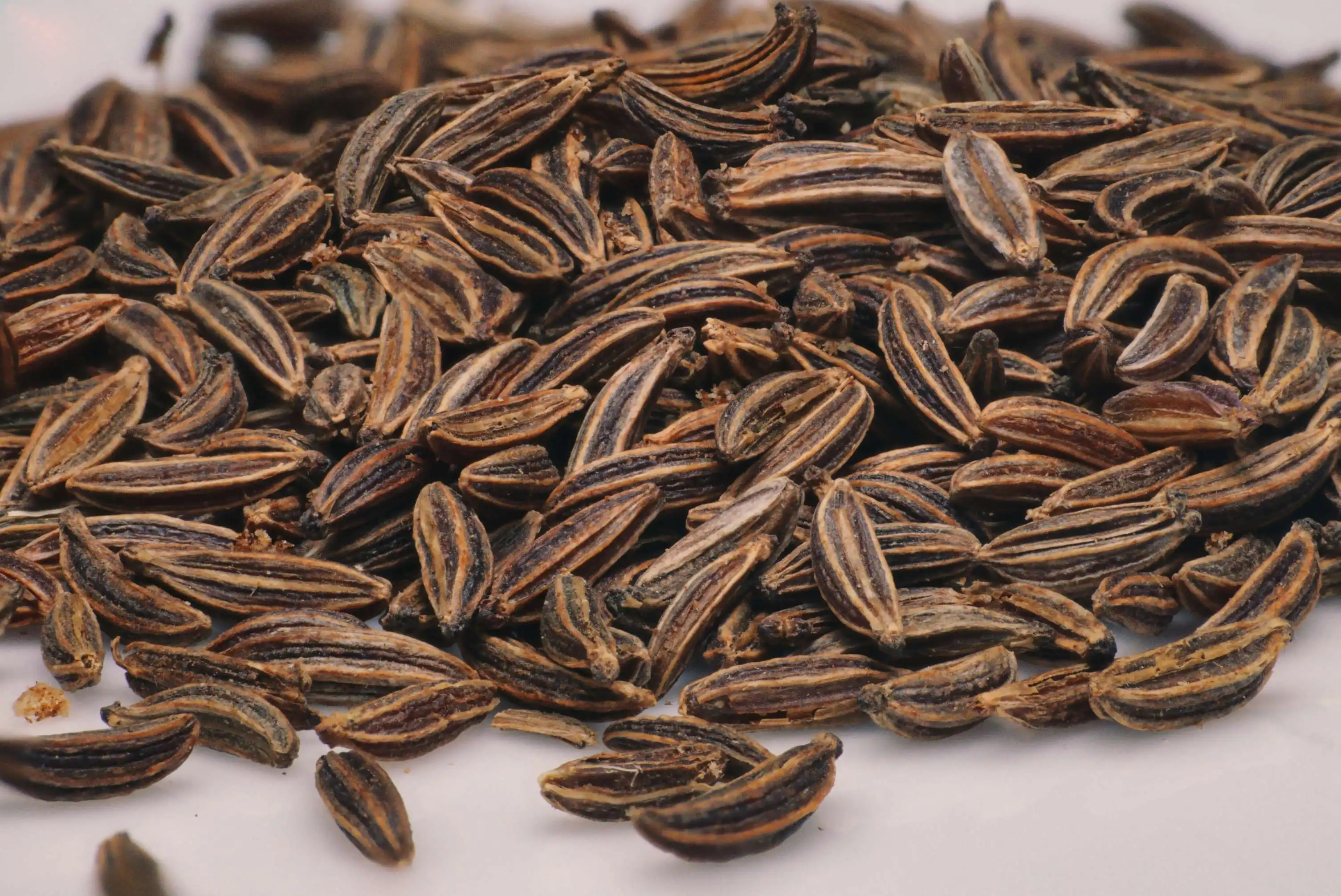
The plant Pimpinella anisum L. is in the family Apiaceae and mostly grows in the Mediterranean and Middle Eastern areas. The seeds are picked when they are fully grown, and then they are put through a water-based plant extraction process to concentrate the beneficial Chemicals. This plant source is not the same as star anise (Illicium verum), which is from a different plant family.
Active Compounds and Standardization
Flavonoids, which were found to be at least 5% pure by HPLC tests, are the main type of medicinal substance in anise seed powder extract. Trans-anethole, anisaldehyde, and polyphenolic compounds are some other phytochemicals. Potency is proven by a 10:1 concentration ratio, which can be checked with TLC. These chemicals help with the digestive, respiratory, and protective effects that are often talked about in therapeutic herbalism writings (Journal of Ethnopharmacology, 2019).
Functional Health Benefits
Ingredients made from anise seeds have been shown to help with gut health, support the respiratory system, and keep the metabolism in balance. For people who make supplements, these useful qualities directly translate into product claims. Our powder form dissolves easily in water, so it can be easily added to pills, functional drinks, and herbal teas without any problems.
Key Considerations When Sourcing Anise Seed Extract Powder
Quality Grades and Specifications
Not all botanical extracts carry equal quality. When evaluating a potential anise extract supplier, confirm the following product specifications:
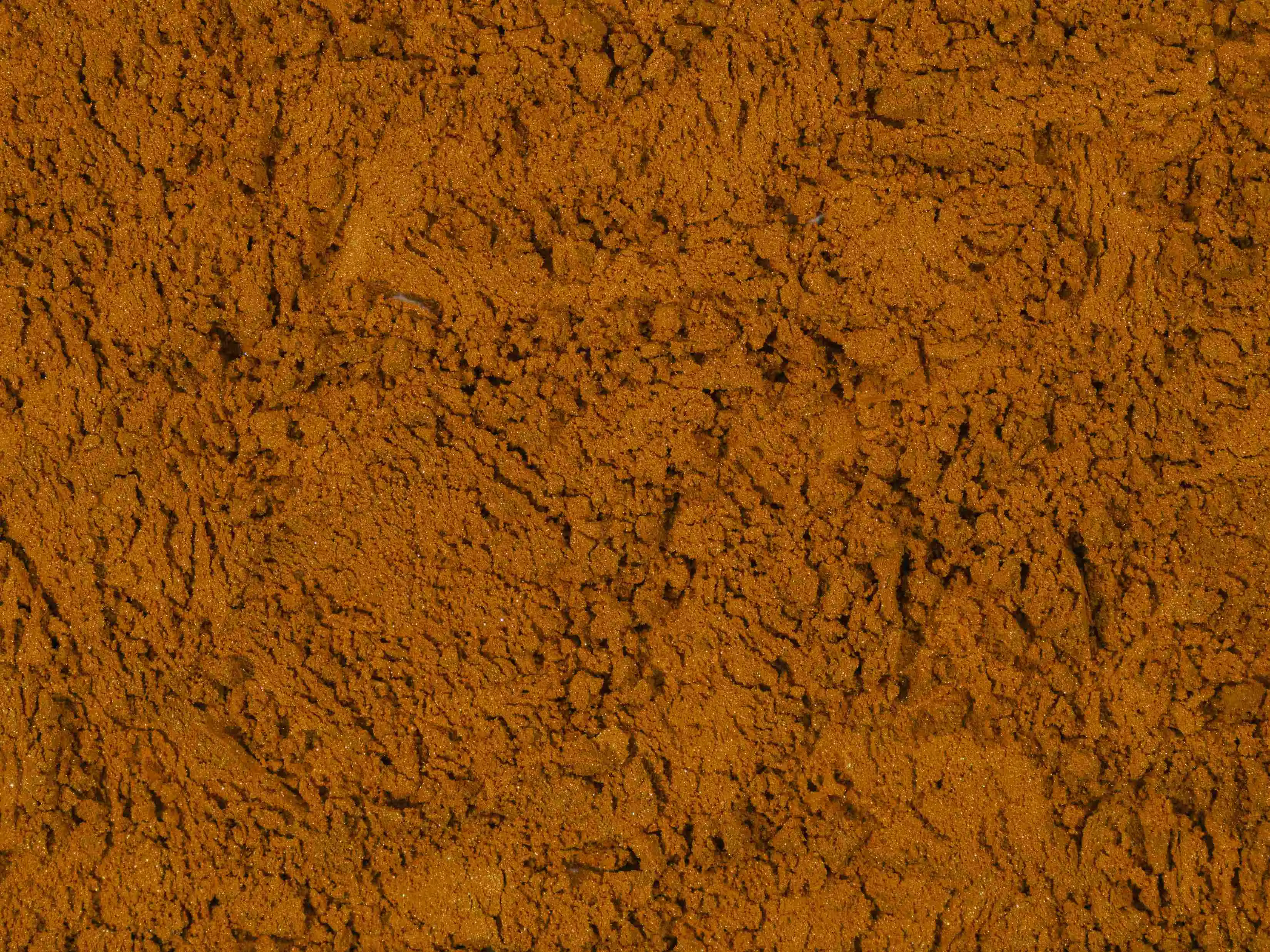
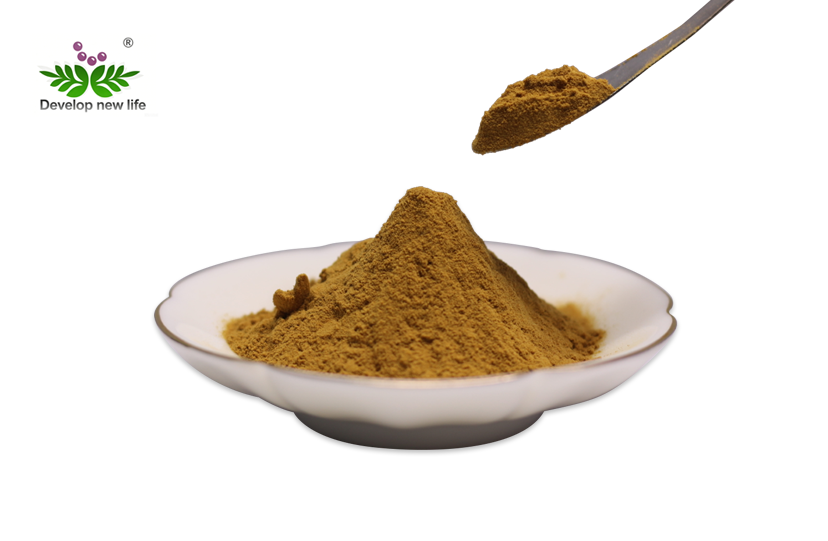
- Appearance: Brown-yellow fine powder, 80 mesh
- Active Ingredient: Flavonoids ≥5%, tested by HPLC
- Ash Content: ≤3%
- Heavy Metal: ≤10 ppm
- Solubility: Soluble in water
- Packing: 25 KG/Drum | MOQ: 1 kg
These parameters for Anise Seed Extract give your QA team the data points needed to assess batch consistency before committing to bulk orders. HPLC verification across multiple batches is the industry standard for confirming active ingredient reproducibility.
Certification Requirements
For US and international market access, supplier certifications are non-negotiable. The certificates you should request include ISO 9001, GMP, HACCP, Kosher, and Organic certification. These credentials confirm that the supplier operates under controlled manufacturing environments and meets food safety and quality system requirements. Without proper documentation—COA, MSDS, and third-party test reports—import clearance and regulatory filings become unnecessarily difficult.
Powder vs. Liquid Forms
Powdered extract offers practical advantages for most B2B applications. It provides better shelf stability, easier dosing accuracy in dry blends, and broader compatibility with capsule, tablet, and sachet formats. Water-soluble powder forms are particularly relevant for ready-to-mix beverages and herbal supplement powders. For beverage applications specifically, confirm that the extract disperses cleanly without cloudiness or sedimentation.
Comparing Anise Seed Extract with Related Products
Anise Seed vs. Star Anise vs. Fennel
Even though all three of these nutrients contain anethole, they come from different plants, have different tastes, and are regulated in different ways. Anise seed, or Pimpinella anisum, gives foods and medicines a more delicate, herbal sweetness that people like. It is also used in European sweets. Star anise, or Illicium verum, has a stronger taste and is used more often in Asian food production. With less anethole, fennel extract helps digestion in a milder way. Anise Seed Extract is still the best choice for clean-label useful goods in North American markets that make digestive health promises.
Pure Extract vs. Blended Formulations
Pure Anise Seed Extract lets formulators decide how much to use and how strong the taste should be. Blended plant products may be cheaper, but the amounts of active ingredients can change. Working with pure, Standardized Extract lets OEM/ODM companies that are making private-label supplements make more accurate label claims and more predictable clinical positioning.
Organic vs. Conventional
Whether you use standard or organic anise extract relies on the people you want to sell to and how much you want to charge. Organic certification usually comes with extra costs and requires more information about where the food comes from. Organic approval can help brands stand out on the shelf when they're trying to attract health-conscious US customers.
Procurement Strategies for Bulk Anise Seed Extract Powder
Evaluating Supplier Qualifications
A reliable Anise Seed Extract provider should have a number of licenses, run a GMP-certified factory, and show that their supply chain is open and honest. The independent lab at Xi'an DN Biology Co., Ltd., which was founded in 2010, is equipped with HPLC, GC, TLC, and UV-Vis instruments. Up to 3,000 tons of botanical raw materials are processed by the company every year. They currently have 100 tons in stock and can ship orders within 7 days.
Pricing, MOQ, and Shipping
International buyers should make sure they understand the MOQ rules right away. With a minimum order quantity (MOQ) of 1 kg and standard packaging of 25 kg/drum, the ordering system can handle both small samples for product development and big production runs. When paired with DDP service and different shipping choices, delivery within 7 days of payment receipt makes clearing customs easier for North American importers.
Sample Testing and Custom Formulation
Ask for a pre-shipment sample and have a third party check it out before you commit to buying in bulk. Suppliers with a good reputation fully support this process. You can get free samples before your order ships from DNBIOLOGY. They also support testing by outside labs and offer OEM/ODM services for unique concentrations and formulas. This feature is especially useful for supplement companies that are making their own mixes or private-label product lines.
Best Practices for Using Anise Seed Extract Powder in Beverage, Food, and Herbal Formulations
Dosage and Safety Guidelines
At normal effective dosage ranges, Anise Seed Extract with 5% flavonoids is well tolerated. For dietary supplements, the amount that is taken should be in line with FDA standards and the labeling requirements for the final product. When adding plant extracts to high-moisture food mixtures, you should always test for stability first.
Application in Beverages and Food Products
This extract works well in herbal teas, functional health drinks, stomach bitters, and foods that have been supplemented. Because it dissolves easily in water, it can be mixed into liquids without the need for emulsification tools. The storage tips—a cool, dry place away from light—are useful for both storing raw materials and making sure that final products last as long as possible.
Regulatory Labeling and Compliance
Labeling ingredients correctly keeps your brand and your customers safe. Make sure that your provider gives you all the paperwork you need, like the COA, MSDS, and export compliance files. This paperwork helps with both FDA submission requirements and EU regulatory filings for making ingredient levels clear.
Conclusion
It takes more than just comparing prices to find the right Anise Seed Extract powder extract. Whether or not an ingredient relationship will add long-term value to your product line depends on how consistent the batches are, how clear the suppliers are, and how much help you get with the recipe. The requirements talked about in this guide—flavonoids ≥5%, HPLC-verified, water-soluble, GMP and ISO certified—can be used as a help when buying things. The quality of your botanical raw material determines how well your finished product works, whether you are making a digestive supplement, a functional beverage, or a herbal formulation.
FAQ
What is the difference between anise seed extract and star anise extract?
They are from different groups of plants. Star anise is called Illicium verum and anise seed is called Pimpinella anisum. Both are in the family Schisandraceae. Anise Seed Extract has a more refined taste and is the best choice for medicinal and nutraceutical uses, even though both contain anethole.
How should anise seed extract powder be stored?
Keep it somewhere cool and dry, out of direct sunlight. The food should be kept in sealed, light-resistant containers below 25°C for 24 months.
Is the extract water-soluble for beverage use?
Yes. Because our anise seed powder extract is made to dissolve in water, it can be used directly in functional drinks, herbal teas, and liquid supplements.
What certifications does the product carry?
ISO 9001, GMP, HACCP, Kosher, and organic standards have all been met by the product. Every order comes with full paperwork, such as a COA and an MSDS.
Can I request a custom concentration or formulation?
Yes, DNBIOLOGY offers OEM/ODM services that can help you make custom extract ratios, powder particle sizes, and formulations that work best for your product.
Get Your Anise Seed Extract Sample from DNBIOLOGY Today
Since 2010, DNBIOLOGY has sold approved plant extracts to customers in the food, medicine, and nutraceutical industries around the world. Every order is backed by full paperwork, HPLC-verified quality, and 24/7 customer service because we are a reputable Anise Seed Extract producer. Your supply chain stays on track because you have 100 tons in stock and can ship them in 7 days. Email our team at Info@dnbiology.com to get a free sample before the order ships, certifications, and a competitive quote for your next production run.
References
1. Shojaii, A., & Abdollahi Fard, M. (2012). Review of Pharmacological Properties and Chemical Constituents of Pimpinella anisum. ISRN Pharmaceutics.
2. Boskabady, M. H., et al. (2011). Pharmacological Effects of Rosa damascena. Iranian Journal of Basic Medical Sciences — comparative botanical extract review.
3. European Medicines Agency (EMA). (2013). Community Herbal Monograph on Pimpinella anisum L., Fructus. EMA/HMPC.
4. Heinrich, M., et al. (2019). Botanical Dietary Supplements: Quality, Safety, and Efficacy. Journal of Ethnopharmacology.
5. Shahat, A. A., et al. (2011). Chemical Composition and Antimicrobial Activity of the Essential Oil of Pimpinella anisum. Natural Product Communications.
6. Pharmaceutical and Food Safety Bureau, Ministry of Health, Labour and Welfare (Japan). (2021). Standards for Botanical Ingredients Used in Foods and Supplements. MHLW Publication.


_1786010274896.webp)

_1784539486673.webp)