How to Evaluate Pleurotus Citrinopileatus Extract Suppliers for Bulk Orders
Make a list of what you need before you look at different Pleurotus Citrinopileatus Extract suppliers for large orders. Now look at that list and see how each provider stacks up. In addition to the species, the extraction method, batch-specific COAs, contaminant limits, and certificates that are unique to the factory are some of the things that need to be looked at. Next, look at the quotes and compare them based on the same factors, such as price, lead time, and packaging. Lastly, before you make your first order, try a sample that is typical of the whole and agree to a quality code. This guide was made to make it easy for people in the U.S. who buy, make, test, and sell products to find out where their golden oyster mushrooms come from.
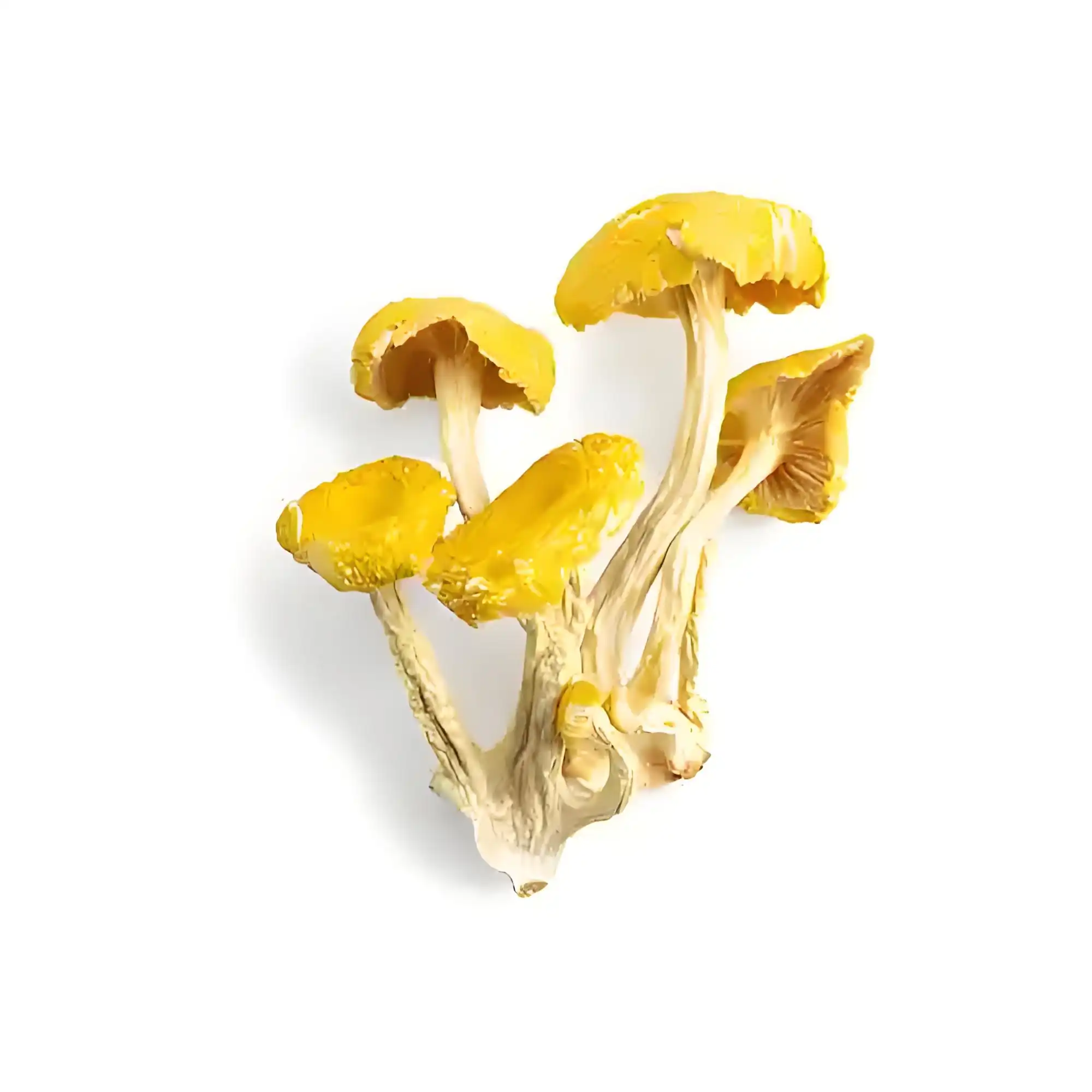
Start With the Correct Pleurotus Citrinopileatus Extract Specification
So we don't have to talk back and forth for weeks, I'll write the short version first.
Define the Application Before Contacting Suppliers
I always begin my shopping trip with the finished item since each one needs a different powder. The particles in a capsule or tablet blend need to be the right size and flow well. There should also be marks that show what kind of blend it is. A serum or drink must dissolve, look a certain way, and taste a certain way. When people look at a beauty product recipe, they want to know how stable it is and how well it works on skin. Before you send an email, write down the dosage form, the goal label claim, the daily serving, and the market. Describe the delivery plan, the package's size, and the amount that will be sent each year. It's fair to compare prices because they can all quote on the same thing if you give them this short description. It's also simple to tell which suppliers are asking good technical questions and which ones are just sending you a price list.
Clarify Extract Ratios and Marker Compounds
All the time, suppliers talk about extract powders that have a 10:1 mix. That number only tells you how much raw mushroom was used to make one unit of powder. It's not clear how much of the active ingredient is in the powder. Check the recipe to see if it calls for fresh or dried mushrooms, since fresh mushrooms are mostly water. Then, ask the seller what kind of pen they always use. There is a study from 2017 in the journal Food Chemistry that says mushrooms have a lot of ergothioneine. This is an antioxidant amino acid product. The Journal of Nutritional Science published a study in 2020 that also said that people get it from food. A ratio doesn't give you a number that you can check, but a marker that tells you how to test it does.
Match the Specification to Real Product Data
A case from real life shows what a specification that can be used looks like. When the plant is mixed with water, it makes the light yellow-brown powder that is Pleurotus Citrinopileatus Extract from DNBIOLOGY. It is set at 0.5 to 2% natural ergothioneine. There is less than 5% loss when it dries, less than 5% ash, and no more than 10 parts per million of heavy metals. It has an 80-mesh size. ISO, HACCP, Kosher, and Halal are a few of the certificates. You can use any substance to make the powder, which is used in high-end supplements and cosmetics. Your QA team can use the same points to compare different quotes since each line can be measured. They can also compare it to a COA.
Assess Raw Material Authenticity and Extraction Quality
I ask the seller to show me what's inside the bag as soon as I know what I need.
Verify the Botanical and Material Identity
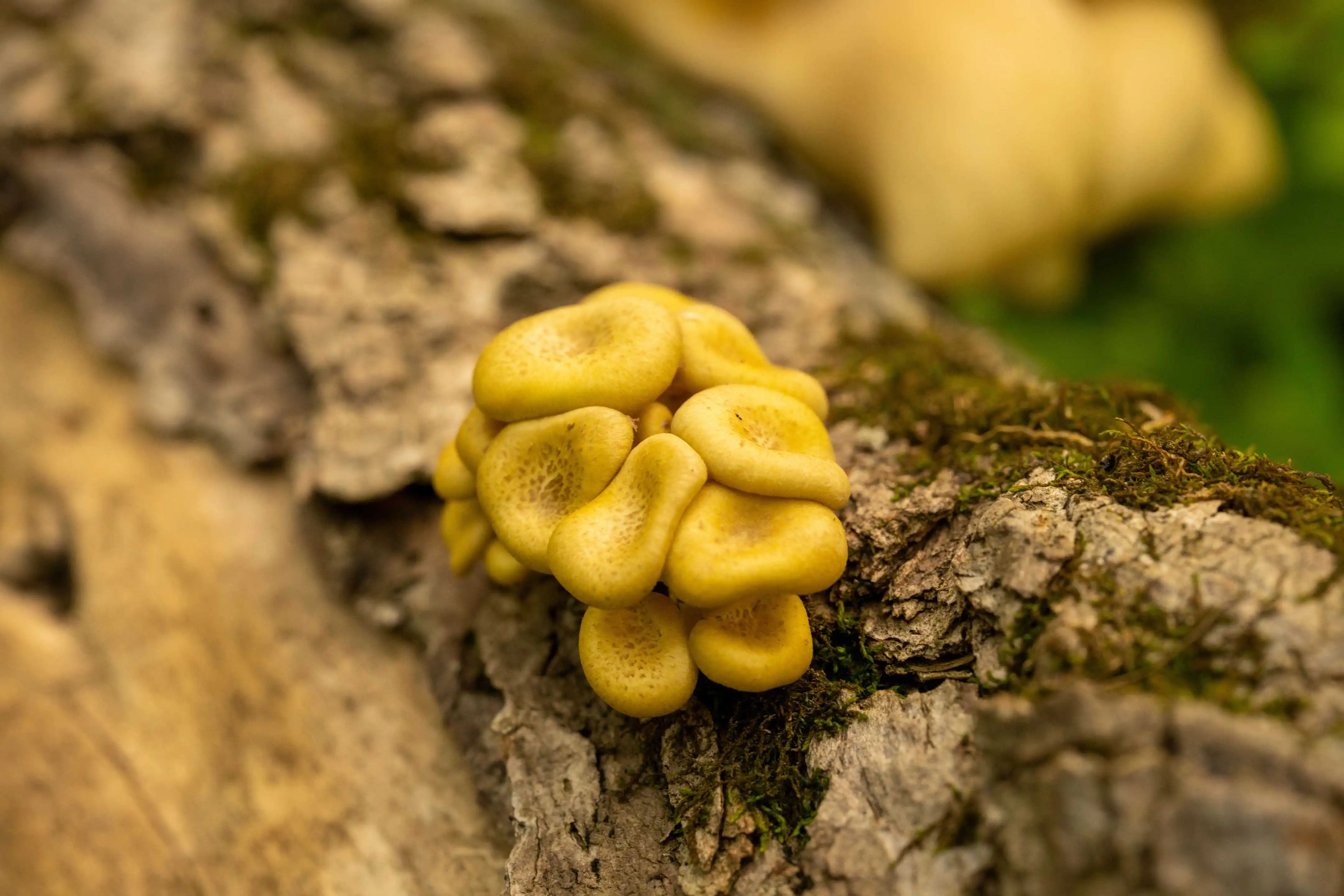
Being yourself is the most important thing. P. citrinopileatus, which is sometimes called the "golden oyster mushroom," looks a lot like other oyster species. A COA that only says "mushroom extract" doesn't tell you what kind of mushroom it is. You should also ask for the part that was used along with the Latin name. This could be the growing body, the mycelium, or a mix of the two. Ask the grower to show you where they grow the plants, how they dry them, and records for each lot. As per 21 CFR Part 111 of the U.S. Dietary Supplement Rules, companies that make supplements have to show that each ingredient is what it says it is. It will help your compliance file if you can keep track of your suppliers. With its own growing base and full-chain tracking, the company DNBIOLOGY helps our team find records that show where things came from when we need to.
Compare Water Extraction With Other Processing Methods
What's in the powder changes depending on how it's made. The best compounds to extract with water are those that dissolve easily in water, such as ergothioneine and mushroom polysaccharides. The finished product is also free of any ethanol residues. You can use ethanol steps to concentrate other parts, but then you need information on the solvent that is still there. The ICH Q3C standard says that the ethanol limit should be 5,000 ppm. If you want to know how the honey is extracted, filtered, concentrated, dried, and if any additives like maltodextrin are used, you should ask each seller. If two powders have the same amount of the active ingredient, they may not be the same at all. This is because carriers water it down. To dry things, we have four 6-cubic-meter extraction tanks, concentration units, vacuum dryers, and spray dryers.
Distinguish Extract Powder From Whole Mushroom Powder
Whole mushroom powder is made from ground-up dried mushrooms. If you mix the Chemical with water and then press it into a powder, you can make extract powder. Most of the time, it absorbs better and has more of the chemical you want per gram. So they can have a clean label; some food brands, like that whole powder, keep the fiber and a fuller mushroom flavor. Based on the method and dose, choose the right one. For capsules that don't need much filler, extract might work better. For baked goods that need a mushroom taste, whole powder might work better. Ask suppliers for prices on both when the project is open. To do this, look at the marked amount of food per serving instead of the marked weight per kilogram.
Review Quality Testing, Certifications, and Documentation
I read the papers line by line because that's where bad sellers show their flaws.
Ask for a Complete Certificate of Analysis
People who want to buy Pleurotus Citrinopileatus Extract should check the Certificate of Analysis (COA) for each batch to figure out how good it is. The Latin name, the product name, the lot number, the date it was made, the date it goes bad, how it looks, how much ergothioneine it has, the mesh size, how much it loses when it dries, the amount of ash it has, the amount of heavy metals it has, and the bacterial results should all be on the COA. To make sure the quality control is correct, look at the list of testing labs and analytical methods for each result. 21 CFR 111.75 says that companies that rely on a seller's COA must check out the supplier and regularly make sure the results are accurate. It is a good idea to test the first batches of Pleurotus Citrinopileatus Extract on your own because of this. As an example, our standard conditions for Pleurotus Citrinopileatus Extract are that it has 0.5 to 2% ergothioneine, particles that are 80 meshes in size, ≤5% loss on drying, ≤5% ash, and ≤10 ppm of heavy metals. You should compare these limits to how the product is meant to be used and to any laws that apply. A third-party lab can also test our products to help us make sure they are accurate and of good quality. If someone wants to buy a lot of Pleurotus Citrinopileatus Extract, they should make sure that the COA results match the agreed-upon specs and that the chemical was tested in the right way. It is possible for formulators to check each batch of Pleurotus Citrinopileatus Extract to see how pure, reliable, and good it is for their mixes.
Verify Contaminant and Batch Consistency Controls
Being careful with heavy metals is important since mushrooms get minerals from the soil where they grow. An important rule from USP General Chapter 2232 is that dietary supplements must not have too much mercury, arsenic, cadmium, or lead. That's way too high for your element. Pesticides, microbial counts, and ICP-MS results should all be checked if they are important. Next, check to see how steady it is. Check at least three new lots for ergothioneine, wetness, color, and microbes before you choose which ones to buy. From 0.5 to 2% is a big range, so ask the provider what its goal is and what kind of spread it usually sees. There is a separate lab here at the office that can measure HPLC, GC, TLC, UV-Vis, and moisture. This lets us test a lot of things here.
Confirm Certifications and Destination-Market Documents
The certificate should have the name of the product, the place where it was made, and the correct date. It has ISO 9001, ISO 22000, GMP, FSSC 22000, HACCP, Halal, and Kosher certifications. This part of the food is also ISO, HACCP, Kosher, and Halal certified. Get copies and check them with the people who gave them to you. You should also get the standard, MSDS, and country-of-origin record if the goods are coming into the U.S. Also, give your quality team any allergy or non-GMO claims they need. The people who work for you and are in charge of rules should check the label claims against the FDA's rules for structure-function statements. For those claims, the supplier has given proof, but you shouldn't use that proof instead of your own research.
Compare Suppliers Commercially and by Business Model
The next things I look at are price, speed, and the kind of person who made the quote.
Compare Bulk Pricing on a Consistent Basis
The weight of an item doesn't matter until all the prices are for the same thing. The carrier, the packaging, the Incoterm, the currency, and the payment terms must all be in the right order. Then, the landed cost is found by adding up the freight, import tax, insurance, and testing costs. To make it fair to compare prices, divide the price by the marker. Take the fact that a powder with 2% ergothioneine costs less per gram of active than a powder with 0.5% ergothioneine as an example. DNBIOLOGY has reasonable prices, can set up DDP service, and can ship items in a number of ways. A single price will cover both delivery and going through customs for people in the U.S.
Evaluate Lead Times, Capacity, and Supply Continuity
Having a steady supply is more important than having one good package. Find out what the provider does when demand goes up quickly and how much power they keep on hand all year. Every year, DNBIOLOGY can use up to 3,000 tons of raw materials that come from plants. In stock, they have 100 tons, and they ship as soon as they get paid. It takes between 7 and 15 days for production to start. We're open seven days a week, 24 hours a day. What does this number have to do with ordering more often? Write down what each provider says they will do to deliver.
Compare a Direct Manufacturer With a Trading Supplier
A direct manufacturer not only makes the product but also oversees the process, packs it, and answers technical questions about its quality and features. When you need Pleurotus Citrinopileatus Extract, it can be easier to talk to the factory directly about your specific needs, keep things the same for repeat orders, and make your own products under your own name. Usually, manufacturers can tell you more about how the product is made and what ingredients are used. Traders, on the other hand, might be able to offer smaller orders or shipments of a variety of goods. Find out about factory visits, production facilities, quality control methods, and the experience of the people who will be making the product before you choose a supplier. Also, check to see if the seller has an experienced export team that can handle the paperwork needed to get through customs and get the package to you. As of 2010, DNBIOLOGY has let customers come to the factory and change Pleurotus Citrinopileatus Extract to fit their projects. Some of these changes include changing the makeup and concentration. Someone wants to buy Pleurotus Citrinopileatus Extract with a certain amount of ergothioneine. Our R&D team can talk about different combinations and check to see if they are technically possible. When buyers talk to the manufacturer directly, they can find out more about the product's specs, learn how it can be customized, and make more stable plans for getting it. Making sure you know about the manufacturer's skills, paperwork, and quality standards before placing an order can help lower the risks of sourcing and encourage long-term cooperation. This is especially important if you are making a new supplement or looking for Pleurotus Citrinopileatus Extract for an existing line of products.
Use a Practical Sampling Process and Avoid Common Mistakes
In a planned hearing, good feelings can be used as proof.
Build a Weighted Scorecard and Test Samples
A review with weights can help you make fair decisions. You can rate things like how easy it is to track, how good the COA is, how many certificates there are, how much it costs, how long you have to wait, how many items are available, and how good the technical support is. Then you can pick how to weight these points based on your goals. For supplement brands, quality might be worth half of the score. For shop owners, price and packaging might be more important. You can get a normal sample and test it for microbiology, identity, how it looks, how it smells, how well it dissolves, and how much water is in it. Use a small amount of your real recipe to make a test batch. You can see how the color, spread, and stability work. You can finish this step before agreeing to the volume because DNBIOLOGY gives you free trials before they ship.
Approve the Supplier With a Quality Agreement
Take notes on what you want to see next if a taste seems good. The terms, test methods, COA style, packaging standards, shelf life, and ways to store the goods should all be written down in a quality agreement. Add a clause that says the seller has to let you know before they change the source of the raw material, the plant where it was made, the way it was extracted, the carrier, or the test method. Explain what happens when a lot doesn't meet the needs. It is important to list the samples that were kept, how long the study takes, and whether everything is replaced or given credit. These words are used to make sure that each batch is the same. And they give your legal team a written record of the seller's OK, which they can use to make sure your 21 CFR Part 111 files are safe.
Avoid Common Buying Mistakes
It does four wrong things over and over again. Some people choose the lowest price even if it doesn't fit their needs. They end up with a smaller assay or a heavier carrier because of this. Of course, they care a lot about a 10:1 ratio. They will take a mushroom COA even if it doesn't say what kind of mushroom it is. They don't plan their reorders either, which is why it's a surprise when a process or raw material changes after months. There is a written specification, a marker-based comparison, papers that are specific to the species, and a signed change-notification clause that make it impossible for all four to happen. A lot of the time, you should also think about what the final product needs to do. This is because claims about supplements are not controlled by the same rules as claims about makeup.
Conclusion
Checking a lot of places is the best way to find Pleurotus Citrinopileatus Extract providers. It is written down what the goal is, and a marker chemical like ergothioneine gives a standard that can be used to measure, but not the amount of extract used. The type of plant used, the part of the plant used, and the way the water was taken out all show if the powder meets that need. The product is of good quality and follows all the rules, as shown by the COAs for each batch, the data on heavy metals and microbes, and the certificates that can be linked to the real plant. You can see what the real value is by comparing prices based on marker content, landing cost, capacity, stock, and wait time. Once samples are checked, a report is written, and quality standards are agreed upon, these checks are turned into a written approval that makes sure everything stays the same on future orders.
FAQ
What should a Pleurotus Citrinopileatus Extract COA include?
The Latin name of the product, its lot number, its dates, a picture of what it looks like, the way it was tested for ergothioneine, the mesh size, the amount of loss during drying, ash, heavy metals, bacteria, and the name of the lab that did the tests are all needed.
Is a 10:1 extract automatically better than mushroom powder?
Not at all. What went in is shown, not what came out. Find out how the marker breaks down, how much is in each dose, and how the carrier is used before you make a choice.
Can the ergothioneine level be customized?
You can change this DNBIOLOGY based on what you need and when you need it. Natural ergothioneine makes up between 0.5 and 2% of the normal grade. Let us know what your goal is and how it will be used. We'll see if it's possible.
Are samples available before a bulk order?
Yes. First, we send you free samples. Then, we have a third-party lab test them so that your team can see the results for themselves.
Request a Specification-Based Quotation From DNBIOLOGY
Ready to check a mushroom extract source against your own checklist? Send DNBIOLOGY your application, ergothioneine target, packaging, annual volume, and destination at Info@dnbiology.com, and our team replies around the clock. As a Pleurotus Citrinopileatus Extract manufacturer with 15 years of experience, ISO, HACCP, Kosher, and Halal certificates, and free pre-shipment samples, we make qualification straightforward. Visit qyjk.aixdb.cn for details.
References
1. Journal of Nutritional Science, 2020. "Is Ergothioneine a 'Longevity Vitamin' Limited in the American Diet?"
2. Food Chemistry, 2017. "Mushrooms: A Rich Source of the Antioxidants Ergothioneine and Glutathione."
3. Biochimica et Biophysica Acta, 2012. "Ergothioneine, Antioxidant Potential, Physiological Function and Role in Disease."
4. U.S. Food and Drug Administration, 2007. "21 CFR Part 111: Current Good Manufacturing Practice in Manufacturing, Packaging, Labeling, or Holding Operations for Dietary Supplements."
5. United States Pharmacopeia–National Formulary, 2013. "General Chapter <2232> Elemental Contaminants in Dietary Supplements."
6. International Council for Harmonisation, 2021. "ICH Q3C(R8) Guideline for Residual Solvents."