Acai Berry Extract Powder: The Amazon's Antioxidant King and Its Real Benefits
Acai Berry Extract Powder, which comes from the Euterpe oleracea palm that grows in Brazil's rainforests, has become an important ingredient in functional and nutraceutical foods. It has earned the nickname "The Amazon's Antioxidant King." This extract is great for product lines that aim to support the immune system, fight ageing, and keep the metabolism healthy. It is especially useful for procurement managers and research and development workers who want to use standardised, high-purity plant ingredients. Knowing what it is made of, where to get it, and how it can be used in different ways helps you make smart buying choices that meet both legal requirements and market demand.
Understanding Acai Berry Extract Powder: Composition, Benefits, and Usage
Origin and Extraction Technology
In the Amazon area, acai berries grow on tall palm trees. For hundreds of years, native people have eaten them. These days, water-based methods are used to increase the fruit's bioactive Chemicals while keeping the fruit's nutritional value. Whole berry powders keep the fibre and fats, but standardised Acai Berry Extract Powders give you exact amounts of anthocyanin, usually between 5% and 25% purity, which has been proven by HPLC testing. Standardisation is important for supplement makers who need to make sure that all of their batches are the same amount of effective.
To keep the berries from going bad, they need to be picked when they are ready, within 24 hours of being picked. The material is first pulped and then freeze-dried. It is then extracted with filtered water and concentrated. Finally, it is sprayed with water to make a fine powder with particles that are 80 to 100 mesh in size. This method is very different from using juice extracts or spray-dried whole fruit powders, which might have fillers like maltodextrin in them that lower the quantity of the active compounds.
Nutritional Profile and Antioxidant Capacity
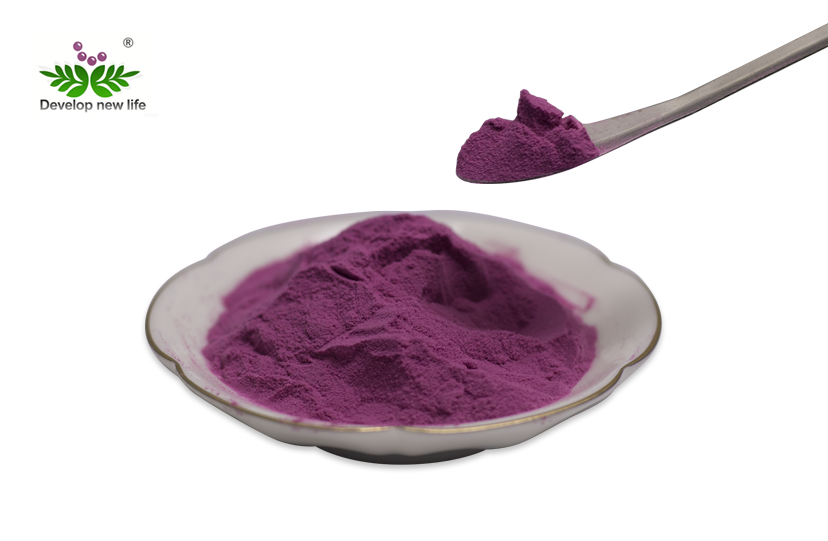
The deep purple colour of the extract shows that it has a lot of anthocyanins. Cyanidin-3-glucoside is the main flavonoid that is responsible for antioxidant action. Lab tests usually show ORAC values higher than 50,000 µmol TE/100g, which puts it ahead of blueberry and pomegranate products in terms of its ability to neutralise free radicals. Because of this, it is especially useful for formulas that aim to lower reactive stress.
In addition to anthocyanins, the extract has small amounts of omega fatty acids and plant sterols, though not as much as in whole fruit powders. Formulators can get beneficial doses in smaller serving sizes by focusing on concentrated polyphenols instead of full nutritional profiles. This is a big plus for pill and tablet makers who have to work with size restrictions.
Key Health Benefits Backed by Research
Clinical studies have looked into the role of acai in heart health and found that regular consumption improves cholesterol levels and artery function. By blocking COX enzymes, the anthocyanins reduce inflammation in a way similar to commercial NSAIDs but without the side effects. This system supports supplements for joint health and healing after activity.
Another area where the product shows promise is in metabolic health. Combining proper eating with healthy lifestyle choices may help control blood sugar and keep weight in check, according to research. The polyphenols may make cells better at taking in glucose and making insulin work better, which makes the ingredient useful for metabolic health products that target modern living issues.
Immune modulation studies show that products high in anthocyanins can improve the function of white blood cells and help the body's natural defences. This makes the ingredient a good choice for seasonal health products and daily immune support supplements, especially if it is standardised to regular anthocyanin amounts that make sure it works as expected.
Safe Usage and Dosage Guidelines
Depending on the amount of anthocyanin in the supplement, the usual amount of standardised extract per dose is between 500 mg and 2,000 mg. For the same amount of bioactive release, products that are standardised to 25% anthocyanins need smaller dose sizes than products that are standardised to 5% anthocyanins. For beverage uses, 100–300 mg per serving is usually used to find a good mix between effectiveness and taste, since higher amounts can make the drink more bitter.
The safety rating has stayed high across studies, with no major side effects seen at the suggested doses. Common medications don't interact badly with the extract, but people who are making special therapeutic goods should do the right kind of tests to make sure they are safe. Because it dissolves in water, it can be delivered in a number of different forms, such as pills, tablets, powders, and liquid solutions, without the need for special encapsulation technology.
How to Choose the Best Acai Berry Extract Powder for Your Business
Quality Metrics That Matter
Standardisation is the main quality sign that tells the difference between high-end suppliers and low-end providers. The recipe is reliable because the anthocyanin content is checked using HPLC, and the difference between batches is less than 5%. Certificates of Analysis should show not only the amounts of active compounds but also tests for contaminants, such as heavy metals below 10ppm, microbial numbers below 1,000 CFU/g, and herbicide residues that are below international standards.
How the Extraction methodology is done has a direct effect on the quality of the end result. Water extraction keeps the natural flavonoid profile and doesn't leave behind liquid residues that make it harder for regulators to approve the Acai Berry Extract Powder. Suppliers who use ethanol or other organic solvents need to show proof of leftover solvent testing, especially for markets that have strict standards for pharmaceutical-grade products. The extraction ratio, which is usually written as 4:1 or 10:1, shows the concentration level, but the anthocyanin percentage is a better way to compare quality.
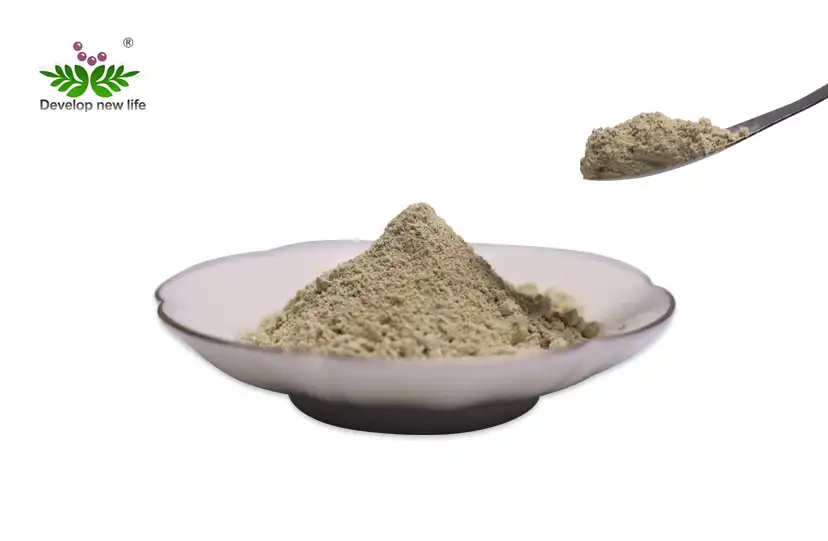
Physical characteristics give us more information about quality. The colour of high-quality extracts is uniformly violet-red, and there are no brown spots on the surface, that show that the anthocyanins have not broken down. Consistent particle sizes between 80 and 100 meshes allow for reliable mixing and dissolution rates in a range of formulation materials. A moisture level below 5% stops microbes from growing during storage and keeps the material flowable for automatic packaging equipment.
Essential Certifications for Market Access
Regulatory compliance is the basis for good partnerships with suppliers. ISO 9001 approval shows that a quality management system is mature, and ISO 22000 and HACCP cover food safety rules that are important for supplement and functional food uses. GMP approval is needed for pharmaceutical-grade ingredients and shows a dedication to keeping processes clean and ensuring they work properly.
When something is certified organic, it gets sold in higher-end markets and costs more, which is good for the whole supply chain. USDA Organic and EU Organic standards require recorded tracking from the plantation to the processing facility. This makes sure that the plants are real and that sustainable sourcing practices are used. Kosher and Halal certificates help businesses reach more people who have to follow religious food rules.
Verification from a Third-party testing adds authority that findings from an internal lab alone can't give. Leading providers work with testing labs that are known all over the world and do independent batch confirmation. This level of openness lowers the risk for buyers and speeds up the approval process for joining new markets.
Evaluating Supplier Reliability and Pricing
Production capacity shows how stable a company is and how well it can grow with your business. Companies that process 3,000 tonnes of plant raw materials every year have well-established networks for getting ingredients and building infrastructure. Ready stocking levels—ideally 100 tonnes or more for famous extracts—keep production from being held up by a lack of raw materials, which is a problem for smaller businesses.
Instead of just fighting on price, Pricing models should represent how well a product is positioned in terms of quality. Standardised extracts with 25% anthocyanins cost more than 5% forms, but they have better cost-per-dose economics when they are made into finished products. Volume-based price levels encourage buying in bulk while keeping fair rates that keep suppliers in business even when the market changes.
Different providers have very different Minimum order quantities. Manufacturers who have been around for a while can usually handle 1kg trial orders to help with product development. For mass production, they switch to 25kg drum orders. This gives you the freedom to keep coming up with new ideas without having to commit to large amounts of goods before the market confirms them.
Logistics Considerations for Total Cost Management
Professional operations can predict Lead time, while casual buyers can't. Reliable providers ship within 7 days of receiving payment and keep clear production schedules that let customers plan their needs. Knowing whether offered prices include shipping (DDP terms) or not (FOB origin) helps you stick to your budget and get accurate total landing cost numbers.
When you use geographical buying, you have to choose between price and supply chain complexity. Asian makers usually have lower base prices, but shipping takes longer, and quality can vary. Suppliers with established storage in the U.S. or Europe can complete orders faster and communicate more easily. They may charge a little more, but for time-sensitive product launches, the extra money may be worth it.
As you Contract negotiation, you should talk about quality standards, testing procedures, price stability times, and measures for "force majeure." A lot of the time, multi-year contracts with big promises get better prices and make sure there is a supply even when raw materials are in short supply. Having ties with two qualified suppliers gives you backup ability without making things too complicated.
The Competitive Landscape: Positioning Against Alternative Ingredients
Acai Extract Versus Whole Berry Powder
Whole acai berry powder has all of the nutrients that the fruit has, including the fibre and omega fatty acids that are lost during extraction. Because of this, berry powder can be used as a meal replacement or in a superfood mix, where it's important to make wider nutrition claims. Acai Berry Extract Powder focuses on antioxidants that are needed for medical uses that require higher polyphenol density in smaller amounts.
Even though extracts cost more per kilogram, they are cheaper per standardised dose. A 500mg tablet of 25% anthocyanin extract has the same amount of antioxidants as 3,000mg of whole berry powder. This saves money on materials and makes it easier for people to take their supplements. This economic benefit stands out more in high-end formulas where the potency of the active ingredient determines where the product is positioned in the market.
Formulation compatibility varies a lot between these types. Extracts are easy to mix with water for use in drinks, but whole powders make liquids more difficult to work with because they don't dissolve properly. The small particles in the extract and the lack of fruit solids make it possible to make clear solutions that would not be possible with whole berry materials.
Comparing Acai to Pomegranate and Blueberry Extracts
The ORAC values of pomegranate juice are about the same, but the polyphenol profiles are different, with ellagic acid dominating over anthocyanins. This makes different bioactivity patterns. For example, pomegranate is very good at helping the heart, while acai is better at fighting free radicals in general. Formulators often mix the two ingredients together to get benefits that work well together.
Acai and blueberry extract both contain anthocyanins, but blueberry extract usually has smaller concentrations at the same price. People in North America are more familiar with blueberries, which could help with marketing and balance out acai's higher tannin density. Often, the choice relies on the type of people you want to sell to and whether you want to present yourself as exotic or familiar.
The way prices change makes acai a better choice for normal high-potency uses. The price of blueberry extract changes based on how many blueberries are picked in North America. Acai, on the other hand, is steadier all year because it comes from tropical plants. When planning yearly production amounts without hedging commodity risk, this supply chain consistency is important.
Organic Versus Conventional: Strategic Considerations
Organic approval means that the product costs 20–40% more, but it also lets it be sold in natural stores and online, where clean materials are emphasised. Consumer research regularly shows that people are ready to pay more at the store for organic vitamins. This means that the difference in the cost of the raw materials usually goes away because the company makes more money.
Maintaining a certification involves keeping records of where things came from and doing checks every year, which is something that professional suppliers do as part of their regular business. Buyers should make sure that suppliers' organic certificates are up-to-date and cover the exact types of products they want to buy, since suppliers may only hold organic certificates for certain things in larger catalogues.
Optimizing Your Supply Chain: Bulk Purchasing and Logistics Excellence
Cost Efficiencies Through Strategic Procurement
When you commit to a volume, you can access price options that make formula economics much better. When you buy 500 kg instead of 100 kg a year, the cost of each kilogram usually drops by 15 to 25 percent. You can save even more when you buy 1,000 kg or more. When quality standards are the same, these economics favour putting all of your needs for various product SKUs with a single source of Acai Berry Extract Powder.
Negotiation leverage increases when buyers demonstrate market knowledge and quality requirements. Suppliers invest more heavily in relationships with informed buyers who understand extraction technology, standardization requirements, and realistic market pricing. Preparing detailed technical specifications and quality expectations before negotiations signals professionalism that commands supplier attention.
Payment terms affect the total cost in more ways than just the price. A standard 30% payment with 70% due upon receipt of the bill of lading protects both parties. However, as relationships grow, net-30 or net-60 terms may become more common, which are better for managing working capital. When cash flow allows, early payment discounts of 2% to 3% can save you a lot of money on big sales.
Working With Certified Compliant Suppliers
Supplier approval should check certifications by getting them confirmed by a third party instead of taking documents at face value. Reliable makers are open to checks by third parties and keep their certificates up to date so that they are easy to find on the internet. This openness shows that the operations are mature and that the company is committed to following the rules.
Manufacturing sites with more than one license show that they have invested in their quality systems beyond what is required. Businesses that are certified for ISO 22000, GMP, HACCP, and organic standards all at the same time show a complete quality mindset instead of just following the rules on a checklist. Most of the time, these providers give you better paperwork help for regulatory submissions and customer audits.
Traceability paperwork should show where each batch came from botanically and how it was packaged in the end. Full records of the chain of custody, including crop dates, extraction batch numbers, and test results, allow for quick action if quality problems arise. This ability to be tracked is necessary for organic approval and is becoming more and more important for conventional goods as rules around the world get stricter.
Logistics Strategies That Reduce Landed Costs
The choice of shipping way strikes a balance between cost and wait time needs. For planned stockpile restocking, sea freight cuts costs by a large amount per kilogram, while air freight handles emergency reorders and new products that need to get to market faster. When you plan well, you can keep safety stock levels that keep you from having to pay extra for goods.
How hard it is to clear customs depends on the type of goods and the rules of the target market. Suppliers with a lot of experience offer full paperwork packages that include business invoices, certificates of analysis, phytosanitary certificates, and any import permits that are needed. This thoroughness in the paperwork avoids expensive delays at the port of entry that throw off production plans.
How you store things varies depending on how often and how much you buy. Large producers often set up consignment inventory agreements with suppliers. This way, suppliers keep stock at third-party stores close to your production sites and only charge you for the materials that are used. This lowers your commitment to working capital while making sure that you have the materials right away for production runs.
Building Trust and Ensuring Quality: DN Biology's Commitment to Excellence
Manufacturing Capabilities and Quality Infrastructure
DN Biology has state-of-the-art extraction facilities with four 6-cubic-meter extraction tanks and combined concentration systems that can do vacuum drying, spray drying, stratification, and decolorisation. This vertical integration gives you full control over the whole process, from the raw plant materials to the finished Acai Berry Extract Powder. You can process up to 3,000 tonnes of material a year and make sure that each batch is the same, which is important for your production needs.
Our separate lab has high-tech analysis tools, like HPLC, GC, TLC, and UV-Vis spectrophotometers, that make sure every output batch meets the standards before it is sent out. We can provide HPLC-verified anthocyanin content along with related paperwork that meets regulatory needs in all global markets, thanks to this testing infrastructure. Third-party laboratory proof is still available upon request. This adds another level of verification that makes buyers feel more confident.
Our dedication to quality across a wide range of market needs is shown by the number of certifications we hold. Our extracts can be used in medicinal, nutraceutical, food, and skincare products all over the world because they are certified by ISO 9001, ISO 22000, GMP, FSSC 22000, HACCP, Halal, Kosher, and FSPCA. This complete set of certifications gets rid of the need for qualification delays when joining new lines of distribution.
Supply Reliability and Responsive Service
We can fill orders within 7 days, even if the harvest changes during different times of the year, because we keep 100 tonnes of famous products like acai on hand. Because these suppliers have a lot of stock and have built relationships with source farms, they don't have to deal with the supply problems that happen when suppliers don't have vertical integration or long-term buying agreements.
Our expert team is available to help you 24 hours a day, seven days a week. They can answer any questions you have about formulation or help you meet your product development deadlines. Whether you need help with optimising quantity, making sure the product is compatible with other ingredients, or getting legal paperwork ready for certain markets, our experienced professionals can help. They do this by drawing on their real-life manufacturing experience in the nutraceutical and functional food sectors.
Minimum order amounts that are flexible and start at 1 kg can be used for all stages of your innovation process, from testing new formulations to scaling up production for commercial use. This method lowers your financial risk while developing the product and builds the working relationship that will support a long-term supply partnership as your numbers grow.
Customization Capabilities and OEM Services
Our OEM/ODM services go beyond just supplying basic goods; they also include working with you to create new products in a smart way. We make custom extract blends that combine acai with botanicals that work well with it. We also change the anthocyanin concentrations to meet your needs and come up with unique formulas that are covered by secrecy agreements to keep your competitive edge.
Private label services include custom packaging in a range of sizes, from 1 kg retail pouches to 25 kg industrial drums. They also offer labelling help to make sure your products are legal in the countries you want to sell them to. This "turnkey" feature speeds up your market entry by reducing the complexity of your supply chain to a single trusted partner instead of having to coordinate with many providers.
Traceability tools that are tied to our own planting base links give full proof of ownership from the source of the plants to the final packing. This openness helps keep the organic certification and meets the stricter authenticity standards set by officials worried about plant ingredient fraud.
Conclusion
Acai Berry Extract Powder has a lot of antioxidant benefits that meet the high standards of today's nutrition, functional food, and skincare products. Standardisation, certification compliance, source dependability, and overall supply chain cost management are all important parts of successful procurement. DN Biology supports your product creation and business success by providing high-quality production, thorough quality systems, and helpful customer service. We are the strategic partner you need for constant, high-quality plant ingredients that give you a competitive edge in the rapidly changing health markets because our operations are vertically integrated, our inventory levels are kept, and we can make changes to fit your needs.
FAQ
What dosage should I use in supplement formulations?
How much of an anthocyanin is recommended depends on how standardised it is. Products with a 25% standardised extract usually have 500 to 1,000 mg per dose, which is equal to 125 to 250 mg of active anthocyanins. To get the same bioactivity from products with lower concentrations, you need to take proportionately larger amounts of them. To balance effectiveness with taste, beverages usually use 100 to 300 mg per dose. Always do stability tests to make sure that the active ingredients stay in your product for as long as it can be stored normally.
How does extract powder compare to acai juice in potency?
When compared to juice or juice blends, extract powders have a much higher antioxidant yield per gram. A normal 25% anthocyanin extract has about 100 times the amount of polyphenols that are in fresh juice when measured by weight. This higher concentration lowers the cost of shipping, extends the shelf life by keeping the product from getting too wet, and makes it possible to give exact doses in pill form, which is not possible with liquid forms. Because juice has different sensory qualities, it works well in beverage uses. Extract powders, on the other hand, let you make different kinds of products with the same recipe.
Are there allergen concerns or contraindications?
There are no usual allergen labels for acai extract, which means it is very safe. The fruit has nothing to do with tree nuts, gluten, or big allergy groups. According to clinical tests, the suggested doses don't have any major side effects. But people who take medicines that thin the blood should talk to their doctors because acai might stop blood from clotting. Buyers who are making supplements for certain medical uses should make sure that they are compatible with the goods and put standard disclaimer language on the packages of the supplements.
Partner With a Trusted Acai Berry Extract Powder Manufacturer
DN Biology has 15 years of experience extracting plants, so procurement workers can rely on them to provide approved, standardised Acai Berry Extract Powder that meets strict international quality standards. Our HPLC-verified extracts contain 25% anthocyanin, come with a full range of certifications, and can be delivered quickly (7 days) from a stock that is kept on hand. This means that there are no quality concerns or supply problems that slow down the product development process. Leading nutraceutical brands choose DN Biology as their strategic ingredient source. We encourage R&D managers, sourcing directors, and formulation scientists to ask for technical specs, sample tests, or custom formulation consultations that show why. Contact our team at Info@dnbiology.com to talk about how our OEM/ODM services, flexible MOQ starting at 1 kg, and full regulatory paperwork support can help you speed up the development of your next product while maintaining the high-quality standards that your brand's image requires.
References
1. Schauss, A.G., Wu, X., Prior, R.L., et al. "Phytochemical and Nutrient Composition of the Freeze-Dried Amazonian Palm Berry, Euterpe oleracea Mart." Journal of Agricultural and Food Chemistry, 2006.
2. Udani, J.K., Singh, B.B., Singh, V.J., Barrett, M.L. "Effects of Acai Berry Supplementation on Metabolic Parameters in Overweight Adults." Nutrition Journal, 2011.
3. Poulose, S.M., Fisher, D.R., Larson, J., et al. "Anthocyanin-Rich Acai Supplementation Improves Cognition and Reduces Oxidative Stress in Aged Rats." Nutritional Neuroscience, 2012.
4. Jensen, G.S., Wu, X., Patterson, K.M., et al. "In Vitro and In Vivo Antioxidant and Anti-inflammatory Capacities of an Antioxidant-Rich Fruit and Berry Juice Blend." Journal of Agricultural and Food Chemistry, 2008.
5. Kang, J., Xie, C., Li, Z., et al. "Flavonoids from Acai Inhibit Proliferation of Human Cancer Cells Through Modulation of Multiple Signaling Pathways." Nutrition and Cancer, 2011.
6. Mertens-Talcott, S.U., Rios, J., Jilma-Stohlawetz, P., et al. "Pharmacokinetics of Anthocyanins and Antioxidant Effects After Consumption of Anthocyanin-Rich Acai Juice in Healthy Human Volunteers." Journal of Agricultural and Food Chemistry, 2008.

_1786010321593.webp)


_1784539486673.webp)