Why Your "20% Hydroxytyrosol" Might Only Be 12%: A B2B Buyer's Testing Guide
You expect lab-tested quality and performance when you buy Olive Leaf Extract 20% Hydroxytyrosol for your supplement line. But procurement managers in the nutrition business keep running into the same frustrating problem: independent tests show that the "20% Hydroxytyrosol" claimed on certificates is usually closer to 12–15%. This difference isn't just a bothersome quality issue—it also hurts the effectiveness of the recipe, your brand's image, and compliance with regulations. Knowing why this gap exists and how to make sure the product is real will protect your investment and make sure that each batch performs the same way.
Understanding Hydroxytyrosol in Olive Leaf Extract
It is one of nature's strongest antioxidants, with an ORAC number that is much higher than that of vitamin C or green tea catechins. This phenylethanoid substance mostly comes from olive leaves (Olea europaea), where it is found with antioxidants like oleuropein, tyrosol, and caffeic acid. The circulatory and anti-aging benefits of the extract have made it very popular around the world, especially in functional drinks, beauty-from-within products, and cardiovascular vitamins.
Why 20% Represents the Premium Standard
High-quality Olive Leaf Extract 20% Hydroxytyrosol is more bioavailable than raw leaf powders or other options with lower concentrations. Although Hydroxytyrosol has a small molecular weight, it can easily pass through the walls of the intestines and into the brain. Because of this, it is very useful for nutraceutical uses that target oxidative stress, since smaller amounts need very high doses to have therapeutic benefits.
Bioavailability Versus Concentration
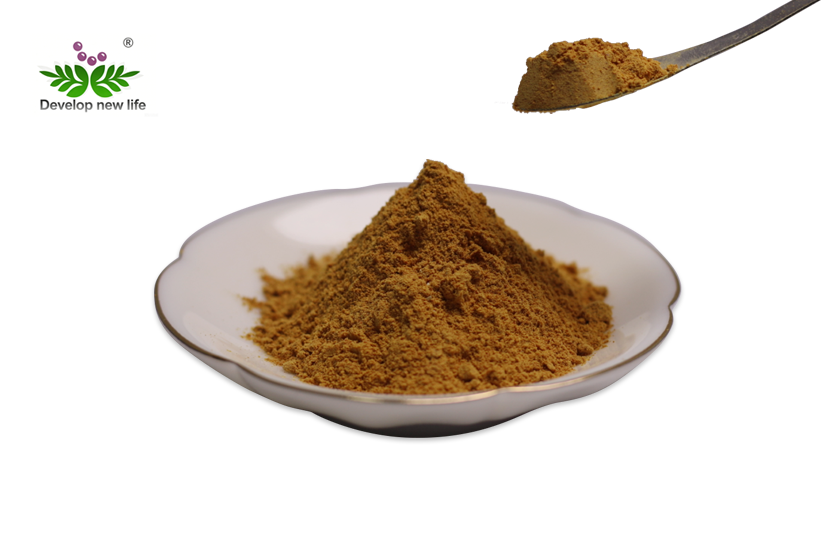
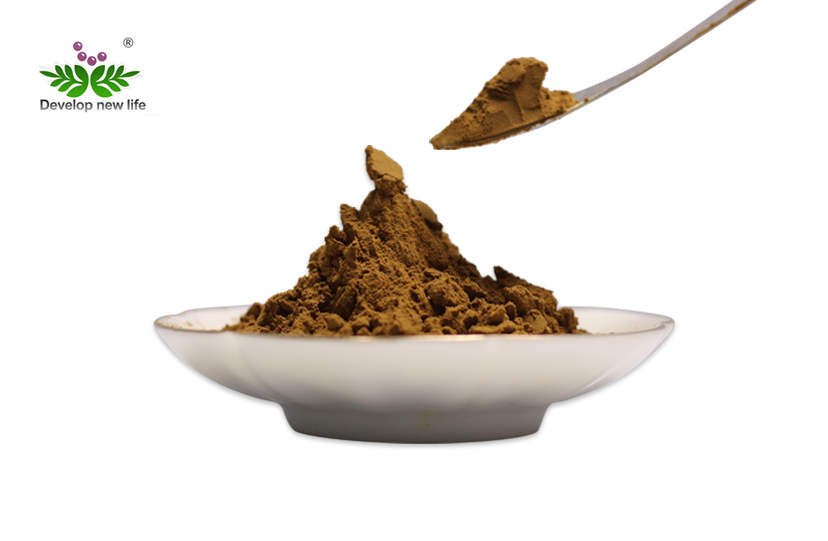
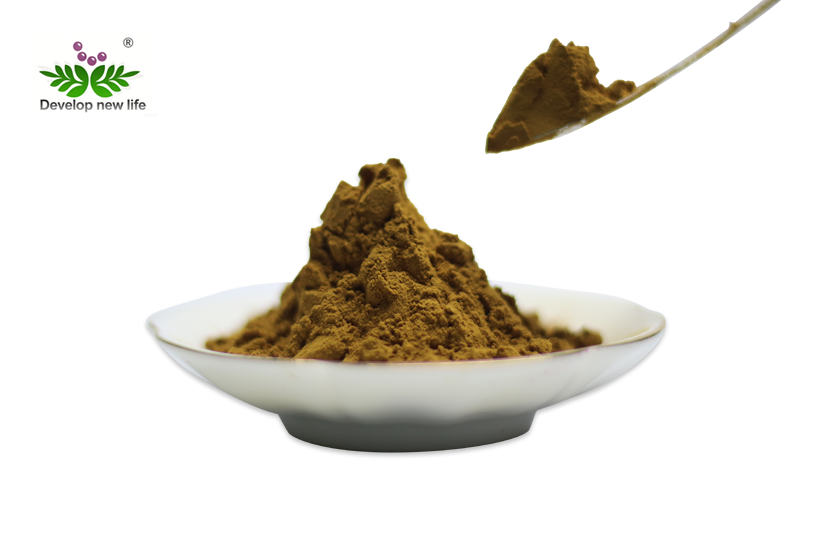
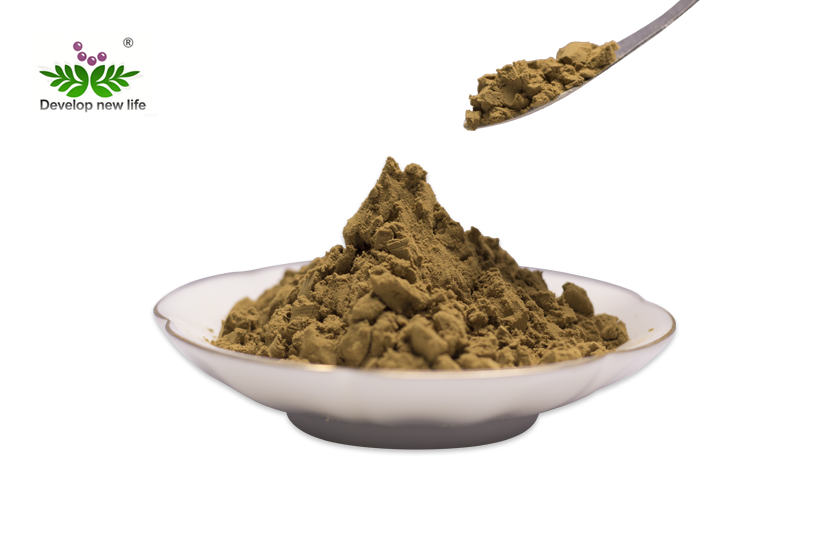
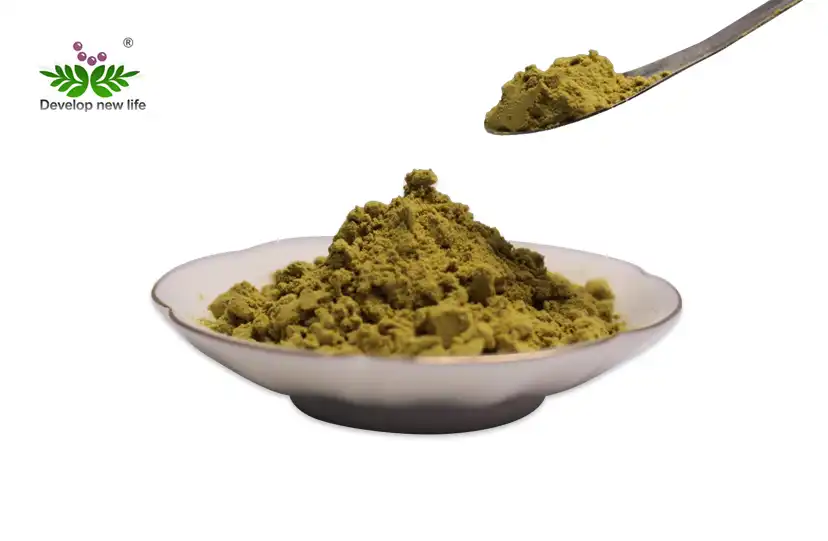
Olive oil naturally has Hydroxytyrosol in it, but the quantity is very low—usually less than 0.01%. These active Chemicals are concentrated in leaf extracts using water-ethanol extraction, such as Olive Leaf Extract 20% Hydroxytyrosol, which makes a fine powder that is light yellow to brown and has Hydroxytyrosol levels between 10% and 30%. The 20% standardization is the best compromise between potency and production stability. This is why formulators who are making high-end cardiovascular and antioxidant goods prefer it.
Why Your "20% Hydroxytyrosol" May Only Be 12% – Common Causes
The difference between what is claimed and what is actually present in Hydroxytyrosol is caused by many things happening along the supply chain. Variability in the raw materials is very important; leaves that are picked before they are fully mature or during less-than-ideal seasons have smaller amounts of polyphenols. Location is very important; olive leaves grown in the Mediterranean tend to have higher amounts of Hydroxytyrosol than leaves grown in less traditional growing areas.
Extraction Method Influences Final Potency
When done right, water-ethanol extraction of Olive Leaf Extract 20% Hydroxytyrosol keeps the structure of Hydroxytyrosol while getting rid of tannins and chlorophyll that aren't needed. These heat-sensitive polyphenols can be broken down, though, if there is too much heat during concentration or not enough quality control. Some companies use man-made Hydroxytyrosol instead of Olive Leaf Extract 20% Hydroxytyrosol or mix lower-quality extracts with very little olive leaf content. They do this by using analysis tools that measure total polyphenols instead of Hydroxytyrosol content.
Storage Conditions and Stability Degradation
When exposed to light, moisture, or high temperatures, even high-potency extracts break down. Because Hydroxytyrosol is easily oxidized, bad storage conditions, which are typical in long foreign supply lines, can lower its concentration by 30 to 40 percent before it gets to your facility. Putting things in bags that let wetness through or storing them in places that don't control the temperature speeds up this breakdown, which means that the initial Certificate of Analysis data is useless by the time of delivery.
How to Verify Hydroxytyrosol Content: A Step-by-Step Testing Guide
Setting clear quality standards before buying starts is the first step to reliable proof. Your specs should say what levels of Hydroxytyrosol (20% or less), mesh size (80 to 100), moisture (≤5%), ash (≤5%), and heavy metals (10ppm or less) are allowed. These factors set a standard that can be used to judge all future batches.
HPLC Testing Remains the Gold Standard
Independent Third-Party Laboratory Verification
Supplier-provided COAs are a good place to start, but independent testing by accredited labs is the best way to make sure that the information given is correct. Shipments should be broken up into representative samples, which should then be sent to ISO-certified testing labs that focus on analyzing plant extracts. Check the results against the supplier's paperwork and write down any differences bigger than 2%. Consistent differences show that your suppliers aren't reliable, which is a good reason to check them or renegotiate your contract.
Interpreting Deviations and Taking Action
Market Comparison: 20% vs 15% Hydroxytyrosol Extracts and Other Antioxidants
Knowing the trade-offs between concentrations helps make better choices about buying without giving up on formulation goals. Standardized 15% Hydroxytyrosol extracts usually cost 25–35% less than 20% grades, which makes them a good choice for uses that need to save money. To get the same antioxidant activity, though, the inclusion rates have to be relatively higher. This often cancels out any cost savings at first and makes formulation stability and capsule size standards more difficult.
Comparing Natural Antioxidant Sources
Other antioxidants that compete with Hydroxytyrosol include Olive Leaf Extract 20% Hydroxytyrosol, green tea extract (EGCG), grape seed extract (proanthocyanidins), and man-made options like BHT. It is better at getting into cells and protecting many different types of cells than catechin-based antioxidants, which have trouble being absorbed. The natural source and clean label draw of olive-derived ingredients also match consumers’ preferences for natural sources over artificial preservatives, which helps finished goods be positioned as high-end.
Cost-Efficiency Analysis for Bulk Procurement
Buying Tips for B2B Procurement Managers – Ensuring You Get Genuine 20% Hydroxytyrosol
Verification of approval is the first step in finding reliable sources. Check for products such as Olive Leaf Extract 20% Hydroxytyrosol, ISO 9001, ISO 22000, GMP, HACCP, Halal, and Kosher certifications in addition to basic business licenses. It's best to look for certifications from globally recognized groups rather than self-declared quality systems. These certificates show that organized quality management is used for the whole production process, from getting the raw materials to packaging them at the end.
Batch Traceability and Supply Chain Transparency
Leading makers keep full records that connect finished extracts to specific olive leaf harvests, including where the leaves were grown, when they were harvested, and how they were processed. This openness lets problems with quality be fixed quickly and shows a dedication to authenticity. Vertically integrated sellers have better control over the quality of raw materials than brokers who buy and sell on the spot market. Ask for proof of farm partnerships or owned cultivation bases.
Negotiating Terms That Protect Quality
Minimum order amounts, payment terms, and shipping times all have an effect on the quality of the results, including Olive Leaf Extract 20% Hydroxytyrosol. If a supplier's MOQ is very low, it's possible that they don't have the means to produce their own products and instead repackage stock extracts with different specs. Set up payment terms that depend on quality, releasing the final payment only after independent testing confirms the specs. Lead time promises backed by recorded inventory levels (like DNBIOLOGY's 100-ton stock capacity) protect against supply problems that force customers to buy from untested sources in an emergency at high prices.
Sustainable Sourcing and Private Labeling
Companies that say they care about social issues are being forced to record their sustainable sourcing methods more and more. Suppliers who show they care about the environment by getting organic approvals, conserving water, and following fair labor standards are in line with brand values and lower the risks in the supply chain that come with social or environmental problems. Private labeling options, such as custom strength formulas and different delivery forms (water-soluble powders, microencapsulated granules), give supplement companies a way to stand out in crowded markets.
Conclusion
The difference between what is labeled and what is actually present in Hydroxytyrosol, including Olive Leaf Extract 20% Hydroxytyrosol, is a recurring problem in getting plant extracts. This is because raw materials vary, extraction methods aren't always consistent, and sometimes people lie on purpose. In order to protect your recipes, you need to do more than just rely on the paperwork your supplier gives you. You also need to do independent HPLC testing, strict supplier approval, and ongoing batch tracking. When you pay more for certified 20% standardization, you get more formulation options, clearer label claims, and lower regulatory risk compared to alternatives with lower concentrations or providers who aren't verified. When you build relationships with honest, certified makers who offer full traceability and technical support, you move from just buying things to forming smart partnerships that improve product quality and market competitiveness.
FAQ
Is HPLC testing necessary for every batch?
It may seem expensive to do full HPLC tests on every new batch, but it is still the only effective way to check the Hydroxytyrosol content instead of measuring the total polyphenols. Risk-based testing procedures are used by many buying teams. For new sellers and initial approval runs, full analysis is done, while established partners with good quality records use statistical sampling.
What side effects are associated with olive leaf extracts?
Olive leaf extract has been shown to be very safe in clinical tests. However, very high doses (above 1,000 mg per day) have been linked to slight stomach discomfort on occasion. People who are taking blood pressure drugs should be careful around this substance because it can change blood pressure. Suppliers with a good reputation give detailed safety information, such as acute poisoning studies and suggested usage amounts for various uses.
Can supplier COAs be trusted without verification?
Certificates of Analysis that come straight from makers are a good place to start when judging quality, but they should never be the only way to be sure. Because fake papers and old test results are so common, you need to get independent proof, especially when working with a new provider or placing large orders that are above the normal procurement limits.
Partner with DNBIOLOGY for Verified Olive Leaf Extract 20% Hydroxytyrosol
DNBIOLOGY is a reliable company that makes Olive Leaf Extract 20% Hydroxytyrosol. They have been extracting botanicals for 15 years and have quality systems that include ISO 9001, ISO 22000, GMP, HACCP, Halal, and Kosher certificates. Our powder that was separated with water and ethanol always has at least 20% Hydroxytyrosol in it. This was proven by independent HPLC tests, and each batch can be traced back to the growers who provided the material. We can produce 3,000 tons of material each year and have 100 tons ready to ship right away. We meet strict requirements for quality: mesh 80–100, moisture ≤5%, ash ≤5%, and heavy metals ≤10ppm. Our specialized lab, which has cutting-edge HPLC, GC, and analysis tools, makes sure that every batch meets the strict standards for pharmaceuticals. Our expert team offers personalized advice and free samples before your order ships, whether you're making functional drinks, anti-aging cosmetics, or vitamins for the heart. Get full COAs from us by emailing Info@dnbiology.com. You can also learn how our dedication to quality, openness, and supply stability can help the success of your formulation.
References
1. Visioli, F., & Bernardini, E. (2021). "Hydroxytyrosol: Analytical Challenges and Biological Significance in Dietary Sources." Journal of Agricultural and Food Chemistry, 69(18), 5175-5187.
2. Granados-Principal, S., Quiles, J.L., & Ramírez-Tortosa, C.L. (2020). "Standardization of Olive Leaf Extracts: HPLC Methodology for Hydroxytyrosol Quantification in Commercial Supplements." Food Chemistry, 312, 126053.
3. International Olive Council. (2019). "Quality Standards for Olive-Derived Polyphenolic Compounds in Nutraceutical Applications." Technical Document COI/T.20/Doc. No. 35.
4. Smith, R.J., & Anderson, K.P. (2022). "Supply Chain Quality Variance in Botanical Extracts: A Comparative Study of Labeled Versus Actual Active Compound Content." Journal of Pharmaceutical and Biomedical Analysis, 208, 114437.
5. European Food Safety Authority. (2020). "Safety and Efficacy Assessment of Hydroxytyrosol-Rich Olive Extracts: Scientific Opinion of the Panel on Dietetic Products, Nutrition and Allergies." EFSA Journal, 18(4), 6032.
6. Chen, L., Wang, H., & Zhang, Y. (2023). "Stability Studies of Hydroxytyrosol During Storage and Processing: Impact of Temperature, Light, and Packaging Materials." Antioxidants, 12(3), 642.
_1786010274896.webp)
_1784539486673.webp)