BLOG List

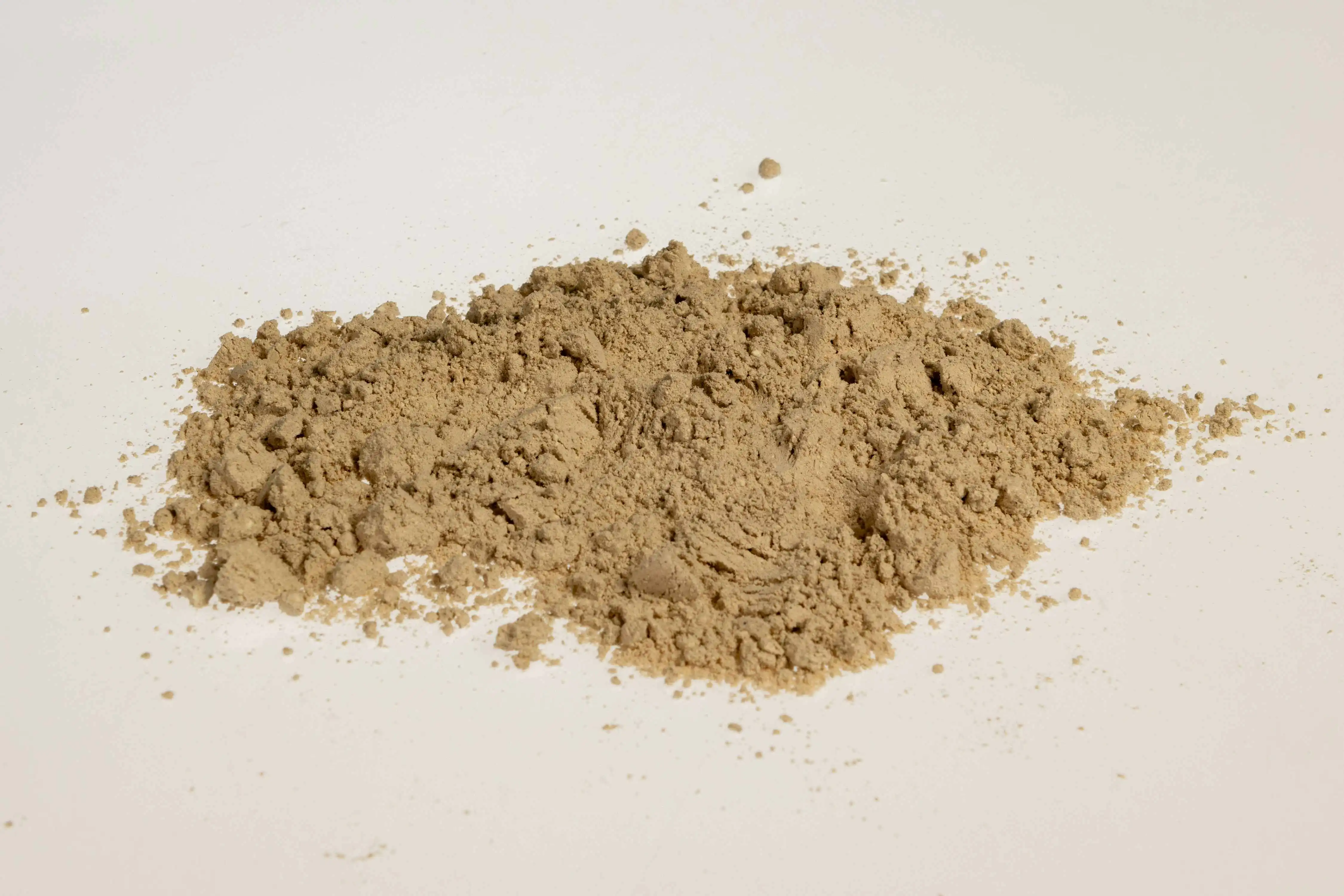
Artichoke leaf extract powder, derived from Cynara scolymus L., has earned a well-established position in functional nutrition. Standardized to ≥5% cynarin via UV testing, this brown-yellow fine powder delivers consistent hepatoprotective, cholesterol-modulating, and antioxidant activity. Its water solubility makes it a practical fit for beverage systems, while its 80-mesh fineness supports smooth encapsulation. For B2B formulators sourcing botanical raw materials, this extract answers two core questions at once: proven bioactivity and reliable supply.
Understanding Artichoke Leaf Extract Powder and Its Benefits
Botanical Profile of Cynara scolymus L.
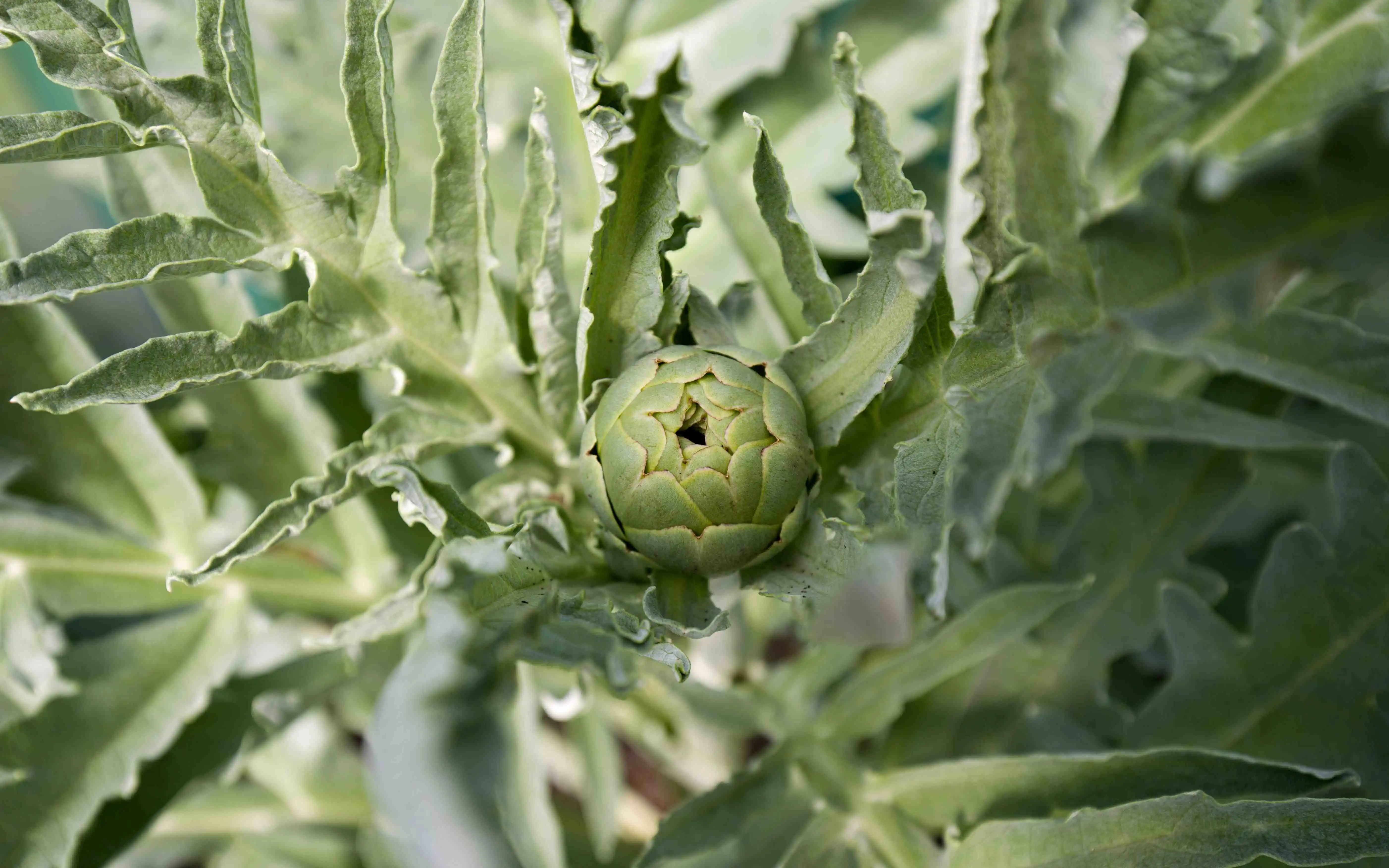
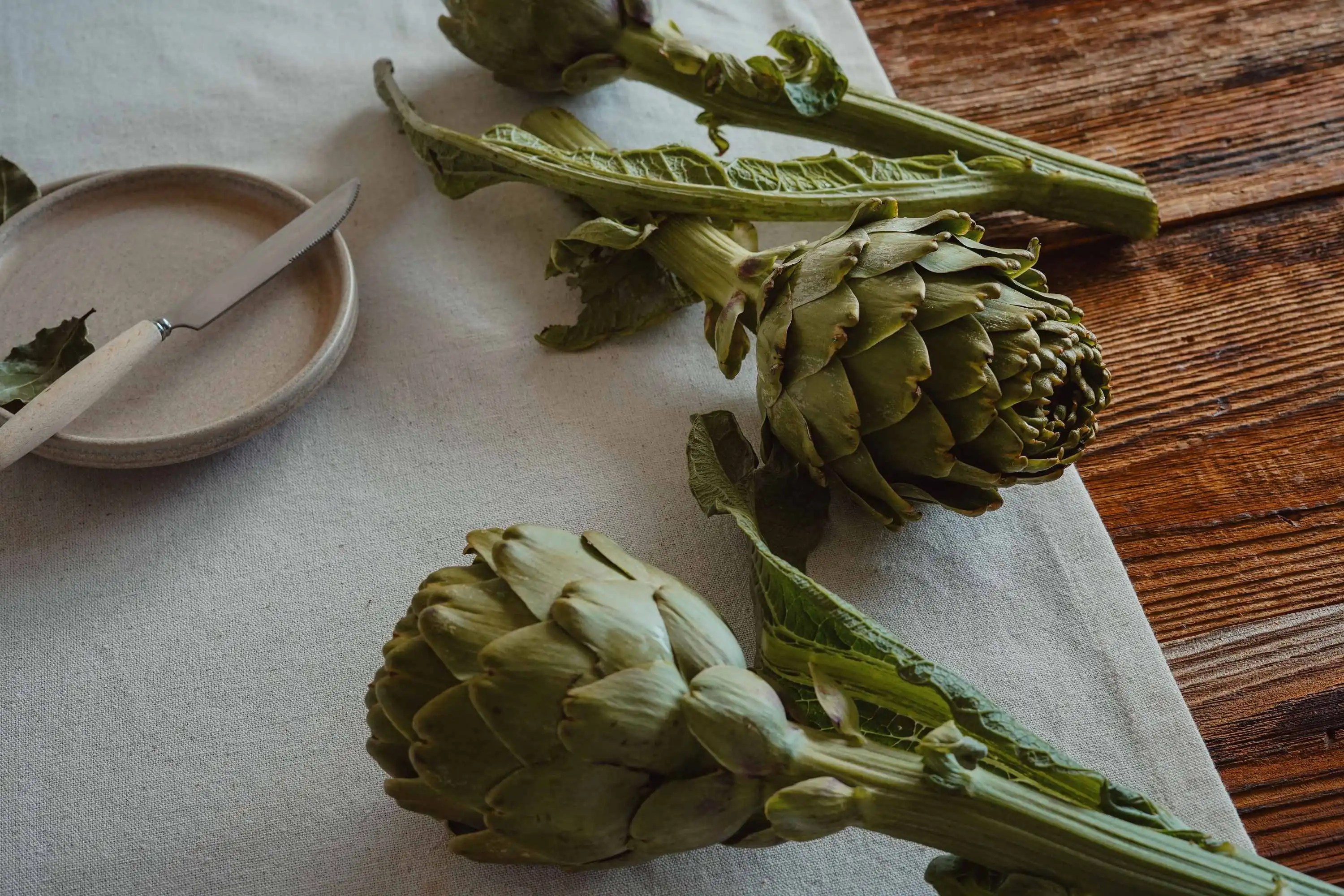
Cynara scolymus L., the globe artichoke, is a perennial thistle that grows in the Mediterranean. The part of the plant that you eat—not the bud—has the biggest amount of flavonoids like luteolin-7-glucoside and caffeoylquinic acids like cynarin and chlorogenic acid. With a concentration ratio of 10:1, 10 kg of dried leaf gives you 1 kg of extract, which has a phytoChemical density that raw leaf can't match.
Key Bioactive Compounds and Their Functions
Cynarin is the main marker chemical that increases the production of bile (choleretic effect) and helps the release of bile (cholagogue effect). Luteolin has measurable antioxidant effects, and chlorogenic acid helps the body use fats. A 2015 study published in the journal Phytomedicine confirmed that adults with high cholesterol saw a big drop in their total cholesterol and LDL cholesterol levels over the course of 12 weeks when they took standardized artichoke extract.
Why Powder Form Outperforms Whole-Leaf Material?
Because of seasonal and geographical factors, the amount of cynarin in whole dried leaves can vary from batch to batch. This problem can be fixed by using a standard powder that is locked at ≥5% cynarin using UV measurement. At DN Biology, we check each lot using our own HPLC and UV-Vis spectrophotometers. If you need it, you can also get confirmation from a third party. The 80-mesh particle size also ensures flowability, making it perfect for lines that make tablets and capsules quickly.
Application in Functional Beverages and Botanical Supplements
Formulation Considerations for Beverages
The best thing about this extract for liquid uses is that it dissolves easily in water. It mixes well in detox shots, ready-to-drink (RTD) health drinks, and herbal teas; it doesn't clump or settle. The recommended working concentrations for drinks are usually between 200 mg and 500 mg per dose, which is the same as the 320 mg to 640 mg/day range of a standardized cynarin-based extract that has been tested in clinical settings. Because cynaropicrin and cynarin are naturally bitter, formulators may need to mask the taste with citrus profiles or higher amounts of stevia.
Capsule and Tablet Applications
When the Artichoke Leaf Extract Powder 80-mesh powder is put into capsules or tablets, it mixes evenly with fillers like magnesium stearate or microcrystalline cellulose. Because it loses only 5% of its wetness when dried, it doesn't clump when compressed and stays stable on the shelf. Microbial limits (total plate count ≤1,000 cfu/g) meet standard USP requirements, which lowers the risk of QA refusal at the time of arrival. Because of these qualities, the material is good for private label supplement SKUs that focus on liver health and gut support.
Regulatory and Certification Alignment
Products made from this extract can have strong compliance proof. The artichoke leaf extract from DN Biology is certified as COSMOS, Kosher, GMP, HACCP, and ISO 9001. Each batch comes with a full COA, MSDS, and third-party test report, which helps with FDA dietary supplement registration and EU plant ingredient dossiers. This documentation package cuts down on the amount of back-and-forth with authorities that regulatory affairs managers have to do when launching products in more than one market.
Comparing Artichoke Leaf Extract Powder Options for Procurement
Ratio Extract vs. Standardized Extract
A 10:1 Ratio Extract talks about how to concentrate something, not how strong it will be. The amount of cynarin in a 10:1 batch can be anywhere from 1% to 6%, based on the quality of the raw materials and when they were harvested. A requirement of "Cynarin ≥5% by UV" gives purchasing teams a set level of this active ingredient that they can check and legally apply. Standardized standards must be met for formulations that make practical claims.
Organic vs. Conventional Powder
Organic artichoke leaf extract costs about 15–25% more than regular grades. This is because it costs more to grow the plants in an organic way and use separate processing lines. When both are uniform, there isn't much difference in how the cynarin content works between organic and conventional. Here, the choice to buy comes down to how the sign is placed and who the product is meant for. Clean-label and USDA Organic brands definitely benefit, but the extra cost may not be worth it for private-label commodity vitamins.
Evaluating Supplier Reliability
When judging a supplier, you should look at three things: their analytical skills, their capacity, and how easy it is to track them. A reliable seller has an in-house lab with HPLC and UV-Vis equipment, a specialized plantation or a verified base for getting raw materials, and can show batch records that go back many production cycles. A production capacity of more than 3,000 tons per year means that the business is big enough to handle long-term orders. When 100 tons are in stock, there is no need to worry about wait times during times of high demand.
Procurement Guide: How to Source Quality Artichoke Leaf Extract Powder?
Supplier Qualification Checklist
Before you agree to work with a seller of Artichoke Leaf Extract Powder, you should at least get a current GMP certificate, a COA for the last three production runs, a heavy metal and pesticide residue report from a third party, and proof of microbial testing results. Any trustworthy company that sells artichoke extract should be able to give these to you right away. Before making a business order, your QC team can use free pre-shipment samples to independently check the claimed cynarin content.
MOQ, Packaging, and Logistics
The smallest amount you can buy from DN Biology is 1 kg, which is good for R&D sampling and small-batch trial runs. Because the extract is so water-absorbing, commercial orders are packed in 25 kg fiber drums with double-layer food-grade PE bags and silica gel desiccant. Standard shipping takes place within 7 days of proof of payment. It is possible to use the DDP (Delivered Duty Paid) service, which makes customs easier for people who are bringing products into the EU and the US.
OEM/ODM and Private Label Options
Formulators can work directly with DN Biology's R&D team to get custom cynarin concentrations, plant powders that have been blended, or private-label packaging. We allow you to make changes to the quantity, mesh size, powder form, and the mixing of multiple ingredients. This is especially important for contract manufacturers who are making special formulas for retail brands to help the liver or the digestive system.
Ensuring Safe and Effective Use: Dosage, Side Effects, and Best Practices
Clinically Informed Dosage Guidelines
There is evidence from published studies that taking 320 to 640 mg of concentrated artichoke leaf extract (2.5 to 5% cynarin) every day can help your liver and lower your cholesterol. In useful beverage forms, splitting this into two daily doses makes it easier to handle. The standardized cynarin percentage per serving should be written on supplement labels so that both end users and professionals can correctly figure out the dosage.
Safety Profile and Contraindications
Artichoke leaf extract is usually safe for healthy adults to take. Some minor and rare side effects that have been reported are temporary gas or loose stools at higher amounts. People who have gallstones or a blocked bile duct should not take choleretic plants without medical care. People who are allergic to plants in the Asteraceae family (like daisy and ragweed) should be careful because they may be allergic to other plants in the same family.
Label Transparency and Consumer Trust
The sign should make it clear which part of the plant it is (leaf), what its Latin name is (Cynara scolymus L.), how much of it to take every day, and the standards marker (cynarin ≥5%). When supplement brands tell customers these things, they build measurable consumer confidence and cut down on returns caused by unmet expectations. Regulatory affairs teams should also make sure that the language used in structure/function claims is in line with the latest FDA guidance on dietary supplements.
Conclusion
Standardized to ≥5% cynarin, Artichoke Leaf Extract Powder from Cynara scolymus leaf extract is a reliable and well-studied botanical ingredient that can be used in liver-supporting supplements, functional drinks, and digestive health products. It can dissolve in water, has a clean microbiological profile, and is 80-mesh small, which makes it suitable for both beverages and capsules. It also meets the buying and regulatory needs of global markets when it comes from a qualified manufacturer with full traceability and full compliance documents. There is strong evidence to support this extract, and the infrastructure is now in place to provide it reliably.
FAQ
What is the difference between a 10:1 ratio extract and 5% standardized cynarin?
A 10:1 extract tells you the concentration process but not the actual cynarin level. A 5% standardized specification guarantees measurable bioactive content verified by UV or HPLC testing. Always request standardized specs for efficacy-driven formulations.
Can this powder be used directly in RTD beverages?
Yes. The extract is water-soluble and disperses cleanly in aqueous systems. Bitterness management may be needed at higher inclusion rates. A simple bench trial with flavor masking agents will establish the optimal use level for your specific beverage matrix.
How should the extract be stored to prevent caking?
Store in a cool, dry place below 25°C and 60% relative humidity, away from direct light. The 25 kg drum packaging includes silica desiccant to control moisture uptake during transit and storage.
Is a free sample available before placing a bulk order?
Yes. DN Biology provides free pre-shipment samples for qualified buyers. Contact Info@dnbiology.com to request a sample along with the full technical dossier, including COA, MSDS, and third-party test reports.
Does the extract meet US and EU regulatory requirements?
The extract is produced under GMP and ISO 9001 conditions, with HACCP and Kosher certifications. Full documentation support — including COA, MSDS, and third-party analytical reports — is provided for FDA dietary supplement filings and EU botanical ingredient registrations.
Request a Sample from DNBIOLOGY — Artichoke Leaf Extract Powder Supplier
Since 2010, DNBIOLOGY has provided standardized plant extracts to beverage and nutrition brands around the world. We have 100 tons of Artichoke Leaf Extract Powder in stock and can ship it within 7 days. It meets GMP, ISO 9001, HACCP, Kosher, and organic standards. If you need bulk quantities or help with OEM formulations, our technical team is available 24 hours a day, seven days a week. Get your free sample and product dossier right now by emailing us at Info@dnbiology.com.
References
1. Bundy, R., Walker, A. F., Middleton, R. W., & Wallis, C. (2004). Artichoke leaf extract reduces symptoms of irritable bowel syndrome and improves quality of life in otherwise healthy volunteers suffering from concomitant dyspepsia. Journal of Alternative and Complementary Medicine.
2. Englisch, W., Beckers, C., Unkauf, M., Ruepp, M., & Zinserling, V. (2000). Efficacy of artichoke dry extract in patients with hyperlipoproteinemia. Arzneimittelforschung.
3. Kraft, K. (1997). Artichoke leaf extract — Recent findings reflecting effects on lipid metabolism, liver and gastrointestinal tracts. Phytomedicine.
4. Wider, B., Pittler, M. H., Thompson-Coon, J., & Ernst, E. (2009). Artichoke leaf extract for treating hypercholesterolaemia. Cochrane Database of Systematic Reviews.
5. Rondanelli, M., Giacosa, A., Opizzi, A., et al. (2011). Beneficial effects of artichoke leaf extract supplementation on increasing HDL-cholesterol in subjects with primary mild hypercholesterolaemia. International Journal of Food Sciences and Nutrition.
6. European Medicines Agency. (2011). Assessment report on Cynara scolymus L., folium. EMA Committee on Herbal Medicinal Products (HMPC).
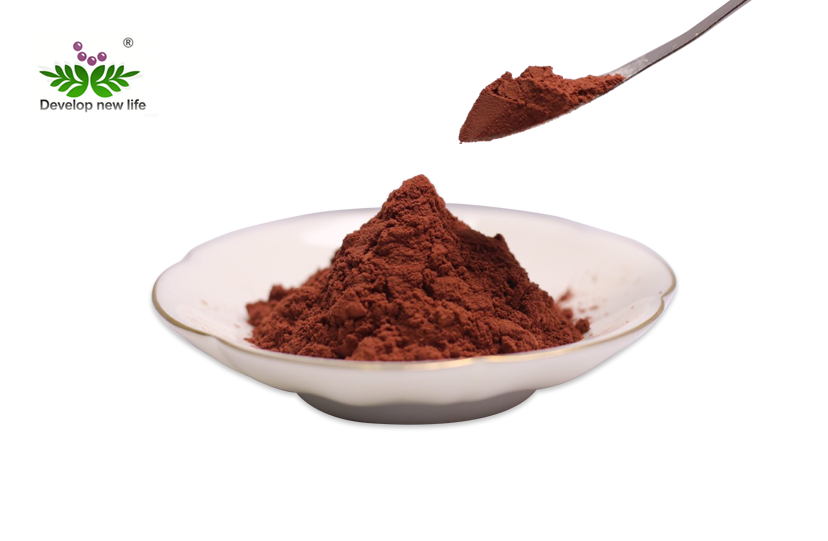
Grape Seed Extract 95% OPC is mostly found in food products as a powerful antioxidant that helps keep the heart healthy, makes skin more elastic, and fights oxidative stress. This standardised botanical extract comes from Vitis vinifera seeds and provides oligomeric proanthocyanidins at a 95% concentration. This makes sure that all versions have the same bioavailability and effectiveness. This nutrient is valued by procurement managers and research and development scientists because it has been shown to reduce inflammation, is compatible with clean label standards, and can boost immune function. It can be used in more than just nutraceuticals. It can also be used in anti-aging and UV protection cosmetics.
Introduction
As the need for functional ingredients based on research grows around the world, procurement workers are under more and more pressure to find botanicals that meet both clinical and legal standards. A baseline ingredient in this market is Grape Seed Extract 95% OPC, which is standardised to 95% oligomeric proanthocyanidins. The 95% OPC standard ensures a level of purity and strength that meets the strict needs of nutraceutical brands, cosmetic makers, and pharmaceutical companies working in highly controlled markets. This is in contrast to generic grape seed powders or extracts with lower concentrations.
Making smart choices about this nutrient is possible if you know its technical description, quality standards, and supply chain issues. This guide makes it clear what makes premium grape seed extract different and how it solves common problems in the industry, such as batch stability and paperwork support, whether you are in charge of formulating new products, making sure they meet quality standards, or working with suppliers.
Understanding Grape Seed Extract 95% OPC: Composition and Mechanism
Botanical Origin and Extraction Process
Premium Grape Seed Extract 95% OPC comes only from Vitis vinifera seeds and is extracted using ethanol and water to keep the structure of the oligomeric proanthocyanidins. This solvent method keeps leftover contamination to a minimum while increasing the amount of polyphenols. The light brown powder that is made has very small particles (80–100 mesh), which makes it easier for pills, tablets, and liquids to spread out evenly. The ash content is kept below 3%, and the moisture content stays below 5%. This keeps the product stable while it is being stored and shipped.
Active Compound Profile
Oligomeric proanthocyanidins are flavonoid molecules joined together by special carbon bonds. They are in the flavonoid family. The 95% OPC level, which was confirmed by HPLC analysis, sets this ingredient apart from fake versions that are sometimes mixed with peanut skin or pine bark extracts. Real grape seed OPCs have a low level of polymerisation, which makes them easier for the body to absorb and use. With an ORAC value higher than 15,000 µmol TE/g, these Chemicals are some of the strongest natural antioxidants that can be used in industrial products.
Mechanism of Antioxidant Action
At the level of cells, OPCs stop free radical chain reactions by giving away electrons to neutralise reactive oxygen species. Vascular endothelial cells, skin fibroblasts, and brain tissues are all protected by this system. According to research, proanthocyanidins change inflammation pathways by stopping NF-κB from activating and lowering the levels of pro-inflammatory cytokines. Because they can absorb transition metals, oxidative damage is reduced even more. This makes them useful in formulas that fight ageing and environmental stresses.
Health Benefits and Uses of Grape Seed Extract 95% OPC in Supplements
Cardiovascular Support and Circulation Enhancement
Grape Seed Extract 95% OPC proanthocyanidins have been shown in clinical tests to improve vascular function and lower blood pressure in people who are at risk of developing high blood pressure. The supplement helps the production of nitric oxide, which opens up blood vessels and keeps blood flowing normally. This ingredient gives supplement companies that want to promote heart health a scientifically sound claim that is backed up by peer-reviewed research. The usual dose is between 100 mg and 300 mg per day, which is in line with what has been seen to work in human studies.
Skin Health and Anti-Aging Applications
Cosmetic supplement makers use grape seed extract because it helps keep collagen stable. OPCs attach to collagen fibres and keep them from breaking down by enzymes. This makes the dermis more pliable. Dermatological tests have shown that this process leads to changes in the appearance and depth of wrinkles that can be seen. Photoprotective benefits of the extract against UV-induced damage make it even more useful in beauty-from-within products.
Immune Modulation and Inflammatory Response
Proanthocyanidins change the immune system by affecting the growth of T cells and the stimulation of macrophages. Some immune health supplements contain grape seed extract to help keep inflammatory reactions in check during the winter challenges. The ingredient is safe, as shown by the fact that it didn't cause any major side effects in clinical studies. This makes it even better for long-term use.
Cognitive Function and Neuroprotection
New studies are looking into how grape seed OPCs can protect neurones, especially their ability to get across the blood-brain barrier and lower neuroinflammation. People who make products for brain health mix this extract with nootropics that work with it to fight oxidative stress, which is linked to cognitive loss with age. Even though there isn't as much proof as there is for circulatory uses, the market is still growing.
Comparing Grape Seed Extract 95% OPC to Other Antioxidants and Supplement Forms
95% OPC Versus Lower Concentration Extracts
The difference between Grape Seed Extract 95% OPC and 90% OPC standardisation might not seem important, but it has a big effect on how the formula is made. Higher purity lets dose sizes be smaller, which maximises pill count and makes it easier for customers to follow the directions. Quality assurance managers know that better standardisation cuts down on batch-to-batch differences, which is important for making sure that the effectiveness of a product stays the same across production runs. Cost differences between concentration grades should be looked at in light of design goals and placement in the target market.
Synergy with Complementary Antioxidants
Vitamin C, vitamin E, and pine bark extract can all be taken together, and the benefits are additive and synergistic. Vitamin C fixes vitamin E that has been oxidised, and proanthocyanidins keep both nutrients stable, which makes them work longer. Grape seed OPCs and pine bark extract have similar structures, but their pharmacokinetic profiles are different. Formulators choose which of these ingredients to use based on how well they dissolve, how they taste, and how much it costs to give them.
Powder Versus Encapsulated Delivery Systems
Bulk powder gives you the most options for how to make your products because it lets you precisely change the dose and add it to drinks, healthy foods, or mixtures of more than one ingredient. Encapsulated types are convenient and keep OPCs from going bad too quickly during storage. When choosing between formats for purchases, manufacturers must take into account minimum order numbers, end-user tastes, and the ability to make the product. Because grape seed extract is soluble in water, it can be easily added to liquid vitamins without causing problems with precipitation.
Procurement and Quality Considerations for Grape Seed Extract 95% OPC
Certification and Documentation Requirements
Things that are needed for certification and paperwork are important for a supplier's trustworthiness. Quality management systems for Grape Seed Extract 95% OPC are checked by ISO 9001 and ISO 22000, and danger analysis methods are checked by HACCP certification. Halal and Kosher licenses make it easier to sell goods around the world. Purchasing managers need Certificates of Analysis that show the OPC content through HPLC, heavy metal limits below 10 ppm, compliance with pesticide residue rules, and microbe counts that meet USP standards. Third-party testing by approved labs provides independent confirmation, lowering the risks of adulteration that are common in markets for commodity botanicals.
Supply Chain Reliability and Production Capacity
The abundance of ingredients affects when a product will be released and how it will be promoted. Manufacturers who keep more than 100 tonnes of stock on hand show that they can handle both one-time purchases and planned large sales. Production lead times of 7–15 days can adapt to changing market needs, and delivery promises made within seven days of payment help keep supplies running smoothly. Building relationships with providers who can handle 3,000 tonnes of processing per year will allow you to grow as your product line does.
Traceability and Raw Material Authenticity
Full-chain tracking, from the plantation base to the extraction and packing steps, meets the needs of consumers and regulators who want more information to be available. Suppliers who work with controlled growing sites provide proof of plant identity and non-GMO status. HPTLC fingerprinting and FTIR spectroscopy can tell the difference between real grape seed oils and cheap fillers like peanut skin powder. Plantation partnerships make the supply chain clear for brands that care about clean sources.
Pricing Dynamics and OEM Customization
It strikes a mix between the quality of the ingredients and how competitive the market is. When you buy in bulk, you usually get savings, but the minimum order amounts need to work with your inventory management system. OEM and private label services let you make formulations that are specific to health claims, target groups, or transport forms. Suppliers who give formulation advice and technical help shorten the time it takes to make a new product, which makes it easier to get seasonal or trend-driven products to market faster.
Best Practices for Using and Marketing Grape Seed Extract 95% OPC Supplements
Dosage Optimization and Bioavailability Enhancement
Clinical research backs up daily doses of 100 to 300 mg of Grape Seed Extract 95% OPC, and bigger amounts are being looked into for certain therapeutic uses. Formulators make absorption better by mixing grape seed extract with piperine or fatty layers that make the intestines more permeable. Timing suggestions, like taking it with food, help make it more bioavailable while reducing stomach upset in people who are more likely to have it happen.
Regulatory Compliance and Claims Substantiation
Marketing messages need to follow FDA rules and FTC standards for proof. Structure-function claims need good, solid proof, which usually comes from human clinical studies or systematic reviews. Regulatory affairs specialists and procurement teams work together to make sure that seller paperwork backs up intended claims without causing unapproved drug allegations. Clear language about ingredients and staying away from disease-treating language protects a brand's image and legal standing.
Quality Assurance Protocols and Batch Testing
Using testing procedures for arriving raw materials, such as name verification, potency tests, and contaminant screens, protects the quality of the finished product. Keeping reference samples from each output lot allows for easy tracking in case a customer asks about something or the government comes to check the factory. Working with suppliers who offer pre-shipment samples lets you try out different formulations before placing large orders. This lowers the financial risk that comes with ingredients not working well together or having taste problems.
Building Brand Trust Through Education and Certification
Brands that want to stand out in the crowded supplement market stress clear certification, tracing of ingredients, and teaching material that makes technical specs easier to understand. Giving customers access to COAs, test results from a third party, and audit records from suppliers boosts their trust. Quality standing is strengthened by putting certifications like GMP, FSSC 22000, and organic validation on product packages and digital marketing materials.
Conclusion
Grape Seed Extract 95% OPC is a key ingredient for vitamin makers, cosmetics makers, and functional food brands that want antioxidant solutions that have been proven to work by science. Because of its consistent strength, wide range of health uses, and governmental approval, it is a strategic procurement goal. To successfully find this ingredient, you must carefully evaluate each seller, focusing on their full approval, analytical confirmation, and openness in the supply chain. As more people want clean-label, evidence-based goods, working with reputable producers is important to make sure that formulations stay the same and that the company can compete in the market. Procurement workers can make choices that improve product lines and brand integrity when they understand the technical differences between premium and commodity-grade extracts.
FAQ
What are the primary health benefits of Grape Seed Extract 95% OPC?
The extract delivers cardiovascular support by improving vascular function and circulation. It enhances skin elasticity and provides photoprotection against UV damage. Anti-inflammatory properties support immune balance, while emerging evidence suggests neuroprotective effects. These benefits stem from its potent antioxidant activity and collagen-stabilizing mechanisms.
Is Grape Seed Extract 95% OPC safe for long-term supplementation?
At standard doses (100–300 mg daily), clinical studies show a good safety record with few side effects. People who are taking anticoagulant drugs should talk to their doctors because other drugs may make their blood thinner. When used for a long time, quality Grape Seed Extract 95% OPC goods that meet limits on heavy metals and contaminants don't pose any significant health risks.
How does 95% OPC concentration compare to other antioxidants?
The ORAC value of grape seed extract is higher than that of many manufactured antioxidants, and it works better when mixed with vitamins C and E. Because it is more bioavailable than highly polymerised tannins, it works better at lower amounts, which is good for formulation and cost.
Partner with DNBIOLOGY for Premium Grape Seed Extract 95% OPC Supply
DNBIOLOGY stands as a trusted Grape Seed Extract 95% OPC supplier with over 15 years of expertise in botanical extract manufacturing. Our ethanol-extracted ingredient maintains ultra-high OPC content verified by HPLC, supported by ISO 9001, ISO 22000, GMP, HACCP, Halal, and Kosher certifications. We maintain 100-ton stock inventories, ensuring 7-day delivery commitments, while our 3,000-ton annual production capacity supports both spot purchases and scheduled bulk orders. Full-chain traceability from our integrated plantation base guarantees raw material authenticity, and our independent laboratory, equipped with advanced analytical instruments, provides comprehensive COA documentation.
As a reliable Grape Seed Extract 95% OPC manufacturer, we offer flexible OEM and private label customization tailored to your formulation requirements. Our technical team provides biotechnology consulting and formulation support, accelerating your product development timelines. Whether you require samples for trial formulations or bulk quantities for commercial production, our responsive customer service team operates 24/7 to address procurement inquiries. contact us at Info@dnbiology.com to discuss certification documentation, pricing structures, and customized solutions that strengthen your product portfolio with this scientifically validated antioxidant ingredient.
References
1. Bagchi, D., et al. (2000). "Molecular mechanisms of cardioprotection by proanthocyanidins from grape seeds." Molecular and Cellular Biochemistry, 213(1-2), 27-36.
2. Fine, A. M. (2000). "Oligomeric proanthocyanidin complexes: history, structure, and phytopharmaceutical applications." Alternative Medicine Review, 5(2), 144-151.
3. Shi, J., Yu, J., Pohorly, J. E., & Kakuda, Y. (2003). "Polyphenolics in grape seeds—biochemistry and functionality." Journal of Medicinal Food, 6(4), 291-299.
4. Yamakoshi, J., et al. (2002). "Proanthocyanidin-rich extract from grape seeds attenuates the development of aortic atherosclerosis in cholesterol-fed rabbits." Atherosclerosis, 142(1), 139-149.
5. Cos, P., et al. (2004). "Structure-activity relationship and classification of flavonoids as inhibitors of xanthine oxidase and superoxide scavengers." Journal of Natural Products, 61(1), 71-76.
6. Natella, F., et al. (2002). "Absorption, metabolism, and effects on plasma antioxidant capacity of grape seed proanthocyanidins in humans." BioFactors, 18(1-4), 139-143.
- 1
- 2