How Does Phytosterol Powder Enhance Ingredient Solutions for Nutritional Food Manufacturers?
Phytosterol Powder is a plant-derived sterol concentrate — primarily composed of β-Sitosterol, Stigmasterol, Campesterol, and Brassicasterol — that gives nutritional food manufacturers a clinically supported, clean-label ingredient for heart-health formulations. By competitively inhibiting intestinal cholesterol absorption, it meets FDA and EFSA health claim thresholds while fitting cleanly into solid and functional food formats. For manufacturers sourcing at scale, it resolves three persistent problems: batch inconsistency, regulatory documentation gaps, and formulation instability in lipid-based matrices.
Understanding Phytosterol Powder: Composition and Functional Benefits
What It Is and Where It Comes From?
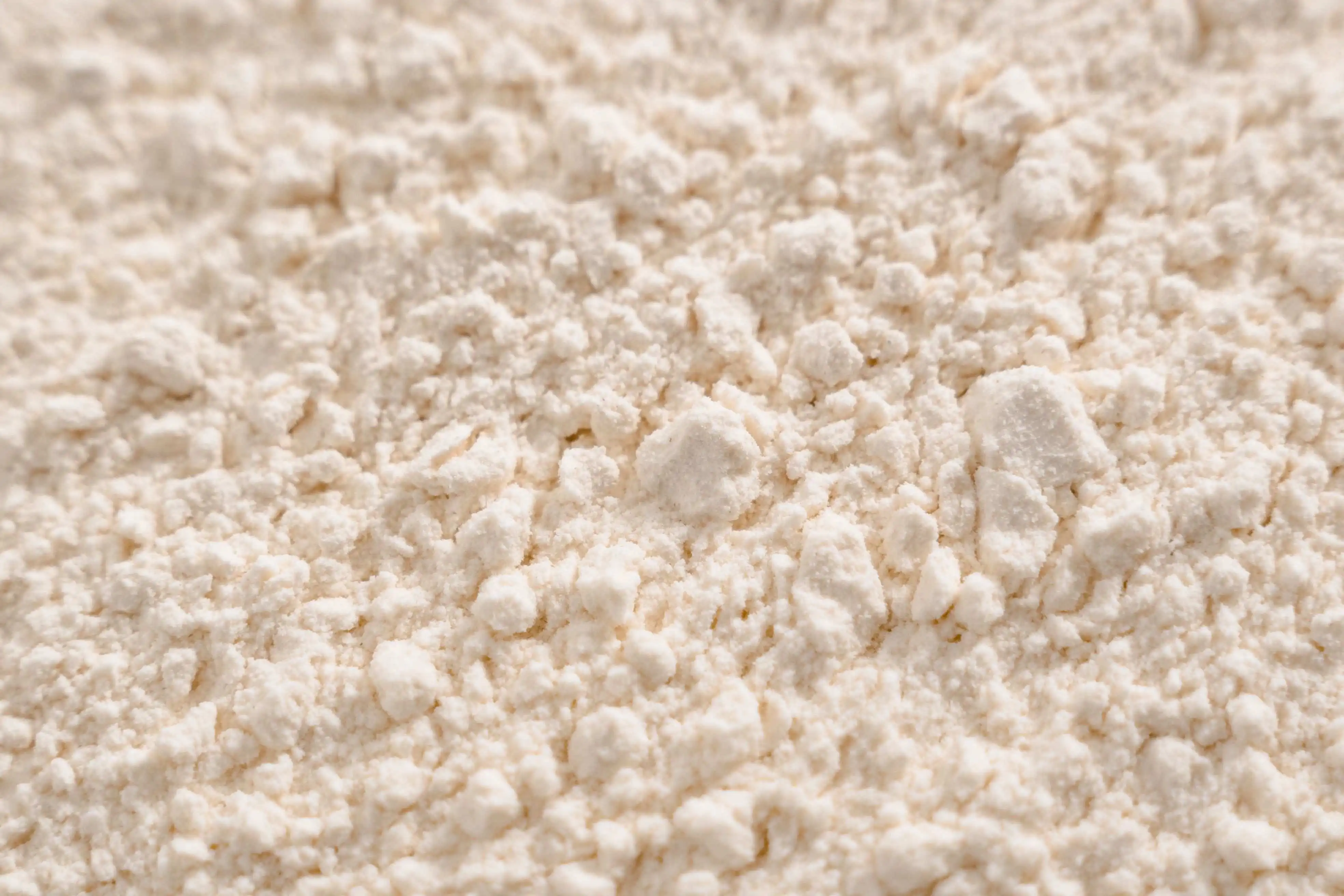
Plant sterols are structural parts of plant cell walls. Soybean oil distillates, rapeseed oil, corn oil, and pine tall oil all have a lot of them. The CAS 83-46-5 pure white crystalline powder form has a clear sterol profile that has been confirmed by gas chromatography. It is 99% pure, which means it has the largest concentration of active ingredients on the market. β-Sitosterol usually makes up 40–55% of the total sterol content.
The Cholesterol-Lowering Mechanism
The structure of phytosterols is similar to that of cholesterol. They compete for the same micellar absorption sites in the digestive tract, pushing cholesterol out of the way before it can get to the rest of the body's circulation. A study in the American Journal of Clinical Nutrition found that taking 2 grams of plant sterols every day can lower LDL cholesterol by 8 to 10 percent on average. This method has been studied a lot and is approved by the FDA for qualified health claims on food labels.
Safety, Dosage, and Regulatory Standing
Phytosterols have a good safety record that is accepted by many regulatory bodies. Foods that have at least 0.65 g of plant sterol esters per serving can make health claims that are approved by the FDA. The EFSA lets the same kinds of claims be made about free sterols at 0.8 g per dose. The recommended daily amount is between 1.5 g and 3 g. Our 99% Phytosterol Powder is approved by ISO, GMP, HACCP, Kosher, and Organic standards at DNBIOLOGY. This means that it can be sold in markets in North America, Europe, and other places.
Phytosterol Powder vs. Alternative Ingredients: Making the Right Choice for Your Product
Free Sterols vs. Sterol Esters
Both forms work, but they are best used for different formulation tasks. Our 99% grade of free sterol powder is great for solid dosage forms like pills, tablets, and powder sachets because it has more strength per unit weight. Because they are waxy and attract fat, sterol esters work best in spreads, dairy drinks, and oil-based systems. Which one you choose depends on the format you want to make and the solubility needs of your manufacturing process.
Phytosterols vs. Fish Oil and Statins
It's important to note that fish oil works differently than phytosterols because it lowers triglyceride levels instead of LDL cholesterol. Statins are drugs that can only be gotten with a prescription; they can't be used as food ingredients. Phytosterol Powder is regulated in a special way because it can be used in food and supplements and can make health claims without a prescription. This gives producers a natural, cheap ingredient that is easy to get and doesn't fail clean-label tests.
Organic vs. Conventional: Certification Implications
Plant sterols that are certified organic are more expensive to buy, but they give you access to higher-end natural food and supplement markets. Certification directly affects your product naming rights. For pharmaceutical-grade supplement makers, conventional GMP-grade material that comes with a full COA and HPLC or GC verification is still the best choice. Both need all of the documentation to be complete at the batch level. DNBIOLOGY offers both full third-party testing tools and batch records that can be tracked.
Enhancing Ingredient Solutions: Application Scenarios for Nutritional Food Manufacturers
Functional Foods and Fortified Beverages
Fortified dairy substitutes, oat-based drinks, breakfast cereals, and protein bars can all benefit from adding Phytosterol Powder. Its bland, white color doesn't change the color of the product, and at normal use levels, it doesn't have much of an effect on the taste. Micronized grades, which are finely milled to reduce particle size, are often used by food technologists to make it easier for ingredients to mix in water. These changes to the processing allow for uniform dosing per serve while keeping the taste and texture intact during high-temperature processing.
Dietary Supplements and Nutraceutical Formats
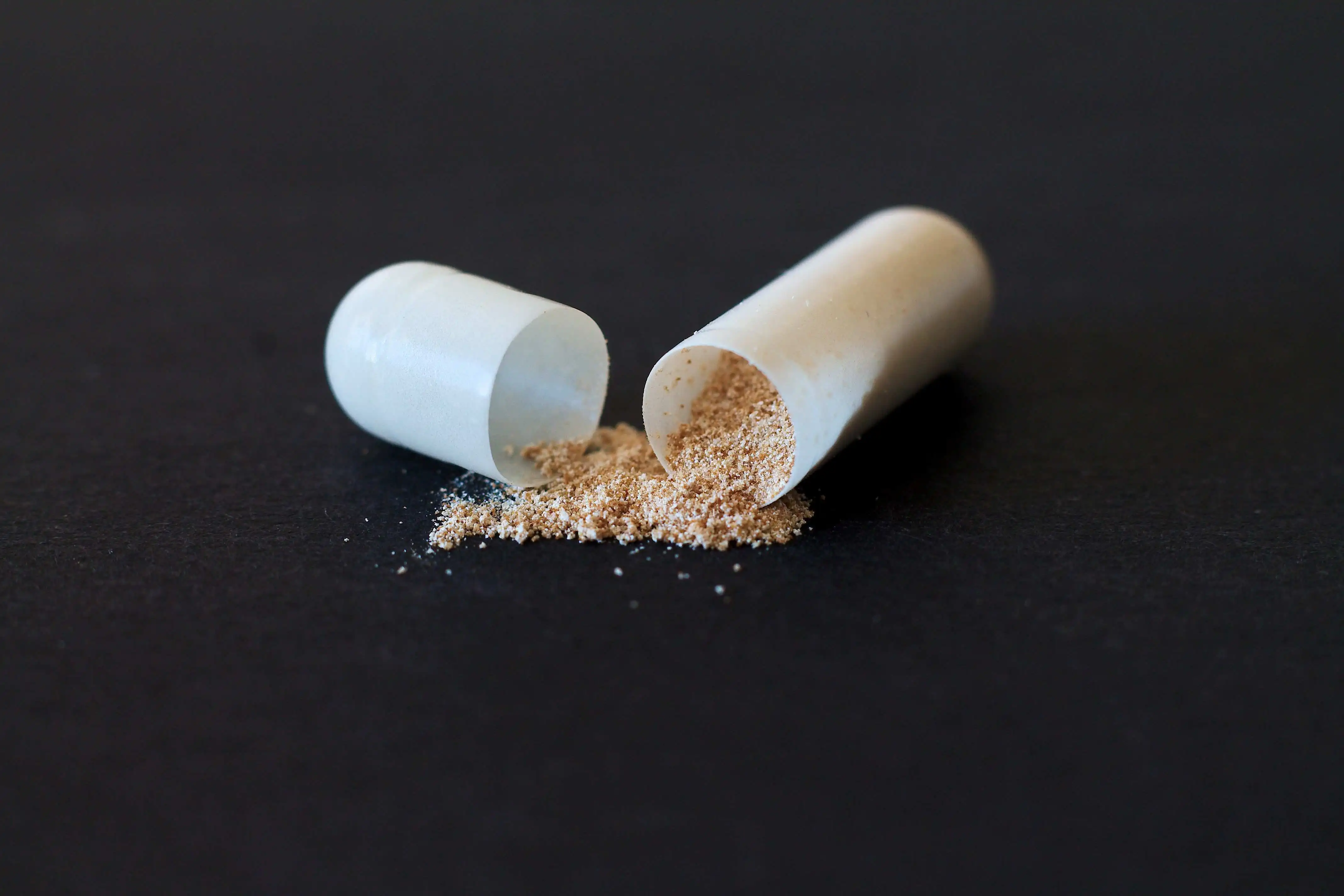
In the supplement business, plant sterol powder works well in veggie capsules, hard gelatin capsules, and compressed pills. Because the material is 99% pure, manufacturers can meet the daily serving goals of 800 mg to 2000 mg in fewer capsules, which lowers the cost-per-dose of the product. A number of the contract makers we work with have used our phytosterol ingredient as a main element in cardiovascular support blends with CoQ10, omega-3s, and red yeast rice. This has made their products stand out without compromising the claims on the labels.
Here are the main ways that food and nutrition companies can use high-purity Phytosterol Powder to their advantage:
Formulation flexibility: Works with both lipid-rich and powder-based systems, so it can be used to make a wide range of products, from soft gels to enriched oat drinks.
As long as the standard inclusion rates are met, the label claim eligibility meets FDA and EFSA requirements for cardiovascular health claims on food and supplement labels.
- Formulation versatility: Compatible with lipid-rich and powder-based systems, accommodating diverse product formats from soft gels to fortified oat drinks.
- Label claim eligibility: Meets FDA and EFSA threshold requirements for cardiovascular health claims on food and supplement labels at standard inclusion rates.
- Sensory neutrality: White powder appearance and low flavor impact at functional doses make it easy to incorporate without redesigning product taste or visual profiles.
- Processing stability: High melting point (135°C–145°C) and oxidative resistance under inert storage conditions protect ingredient integrity across standard manufacturing temperatures.
These features make it a good choice for companies that make a lot of products and need to make sure that the ingredients always work the same way, which affects consumer trust and brand positioning.
Private Label and OEM Customization
OEM and ODM help is available from DNBIOLOGY for Phytosterol Powder, including for contract makers and private label brands. This includes unique specs, blended formulations, and branded packages. We use an in-house lab to run HPLC, GC, UV-Vis, and TLC tests at every step of the production process on up to 3,000 tons of plant raw materials every year.
Procurement Insights: Sourcing High-Quality Phytosterol Powder
Supplier Selection Criteria That Matter
At the very least, a good phytosterol seller should have ISO 9001, ISO 22000, GMP, and HACCP certifications. For products sold in the US, FDA registration and third-party laboratory verification give importers even more confidence in their products' compliance. When buying a batch, buyers should ask for a full COA that lists the total amount of sterols, each sterol profile (GC), heavy metals, pesticide residues, microbe limits, and moisture content. DNBIOLOGY keeps 100 tons of ready-to-ship goods and ships within 5–8 business days. Free samples can be sent before shipping for lab testing.
Pricing, MOQ, and Bulk Procurement
You can order our Phytosterol Powder in drums of 25 kg, with a minimum order quantity of 25 kg. Long-term contract buyers can talk about different levels of bulk prices.
Storage, Packaging, and Documentation
We offer DDP service, a number of different shipping methods, and an experienced export compliance team that handles all the paperwork needed for a smooth customs clearance into the US market.
Future Outlook: Trends and Innovations in Phytosterol Powder for Food Manufacturing
Clean-Label and Heart-Health Market Growth
Consumer demand for natural cardiovascular support ingredients continues to grow across the US market. The global phytosterol market was valued at over USD 800 million in 2023 and is projected to exceed USD 1.2 billion by 2030, driven by rising awareness of dietary cholesterol management and the expansion of functional food categories.
Advances in Extraction and Purification
Improved short-path distillation and solvent optimization — including the use of 95% ethanol extraction — now allow manufacturers to achieve 99% purity consistently while reducing solvent residues to trace levels. These advances lower contamination risk and improve batch reproducibility, which directly supports regulatory compliance timelines for new product filings.
Traceability and Digital Supply Chain Integration
Full-chain traceability — from plantation base through extraction, testing, and shipment — is becoming a standard expectation among US buyers. DNBIOLOGY's integration with its own raw material base and independent laboratory positions it to provide auditable traceability records. On-site factory inspection is available for qualified buyers requiring direct vendor qualification.
Conclusion
For nutritional food producers who require regular performance, regulatory compliance, and supply security, Phytosterol Powder serves as a dependable, evidence-backed ingredient. Because it works well, can be used in many situations, and is safe, it is a good choice for supplement, functional food, and fortified beverage forms. Working with a certified, traceable provider is the only way for procurement and R&D teams to make sure that production runs smoothly and that there are no costly mistakes.
FAQ
What is the standard specification for DNBIOLOGY's phytosterol product?
DNBIOLOGY supplies phytosterol at 99% purity (CAS: 83-46-5), appearing as a white powder. Active ingredients include β-Sitosterol, Stigmasterol, Campesterol, and Brassicasterol, extracted with 95% ethanol. It is certified under ISO, GMP, HACCP, Kosher, and Organic standards and is available in 25 KG/Drum packaging with an MOQ of 25 kg.
How does phytosterol powder support FDA health claims?
The FDA permits qualified health claims for foods providing at least 0.65 g of plant sterol esters per serving. Free sterol powder at 99% purity delivers a concentrated active sterol profile that meets clinical dosing thresholds, supporting label claims for LDL cholesterol reduction when formulated at appropriate serving levels.
What documentation does DNBIOLOGY provide for import compliance?
DNBIOLOGY provides full COA, MSDS, third-party testing reports, country of origin documentation, and export compliance files. Our professional export team handles customs documentation for US-bound shipments, and on-site factory inspection is available for buyers requiring direct supplier qualification.
Can phytosterol powder be customized for specific formulations?
Yes. DNBIOLOGY offers OEM and ODM services including custom concentrations, blended formulations, and specific particle size grades. R&D technical support is available to assist formulation teams in matching ingredient specifications to product performance targets.
Get Your Phytosterol Powder Quote from DNBIOLOGY Today
We've been selling approved herbal ingredients since 2010, and our 99% Phytosterol Powder is one of the most reliable high-purity plant sterols we sell. With ISO, GMP, HACCP, Kosher, and organic certifications, 100 tons of ready-to-ship stock, and a delivery window of 5–8 business days, we are the Phytosterol Powder supplier that US manufacturers can trust when quality is important. To get a free sample or bulk price right now, email us at Info@dnbiology.com.
References
1. Ostlund, R. E. (2004). Phytosterols in human nutrition. Annual Review of Nutrition.
2. Katan, M. B., et al. (2003). Efficacy and safety of plant stanols and sterols in the management of blood cholesterol levels. Mayo Clinic Proceedings.
3. AbuMweis, S. S., et al. (2008). Plant sterols/stanols as cholesterol-lowering agents: A meta-analysis of randomized controlled trials. Food & Nutrition Research.
4. Ras, R. T., et al. (2014). LDL-cholesterol-lowering effect of plant sterols and stanols across different dose ranges: A meta-analysis of randomised controlled studies. British Journal of Nutrition.
5. European Food Safety Authority (EFSA). (2012). Scientific opinion on the substantiation of health claims related to plant sterols and plant stanols. EFSA Journal.
6. Mensink, R. P., et al. (2010). Effects of dietary fatty acids and carbohydrates on the ratio of serum total to HDL cholesterol and on serum lipids and apolipoproteins. American Journal of Clinical Nutrition.


_1784539486673.webp)