Artichoke Leaf Extract Powder for Functional Beverage and Botanical Supplement Formulations
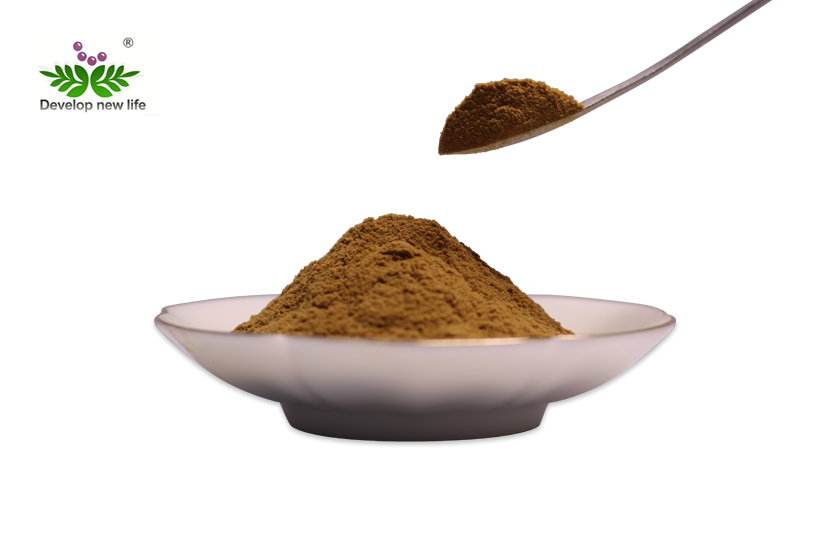
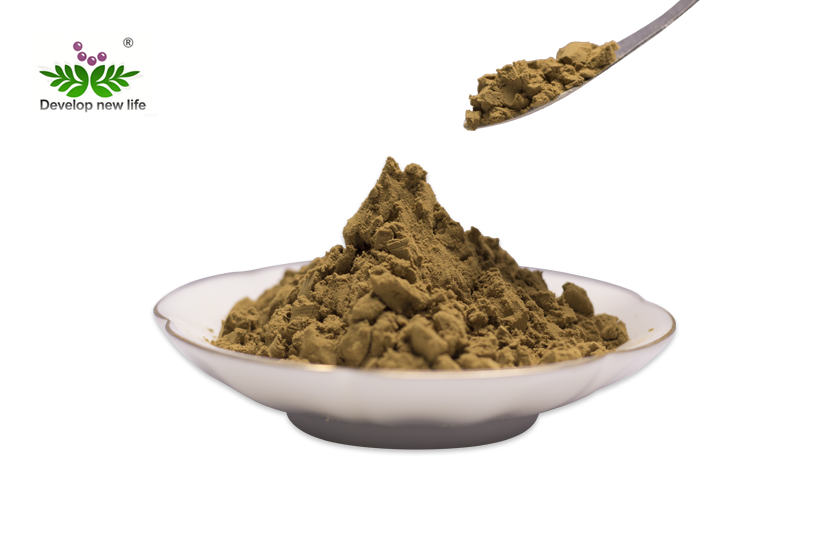
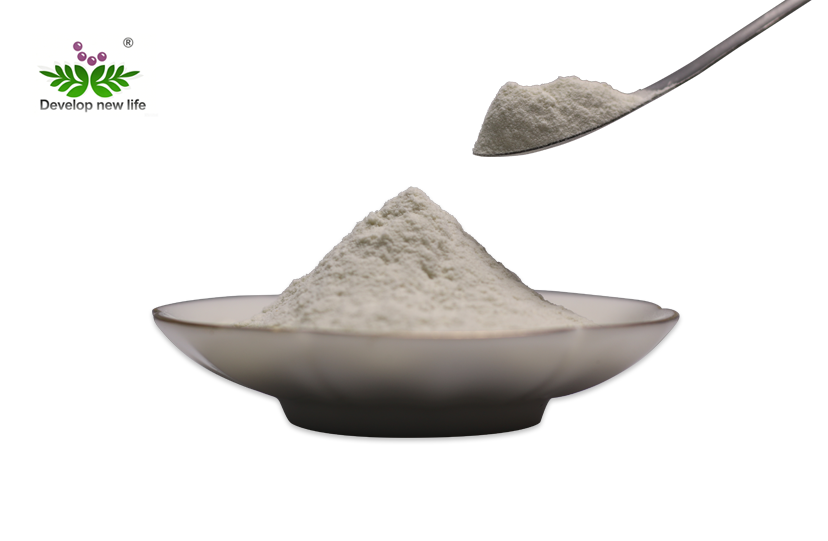
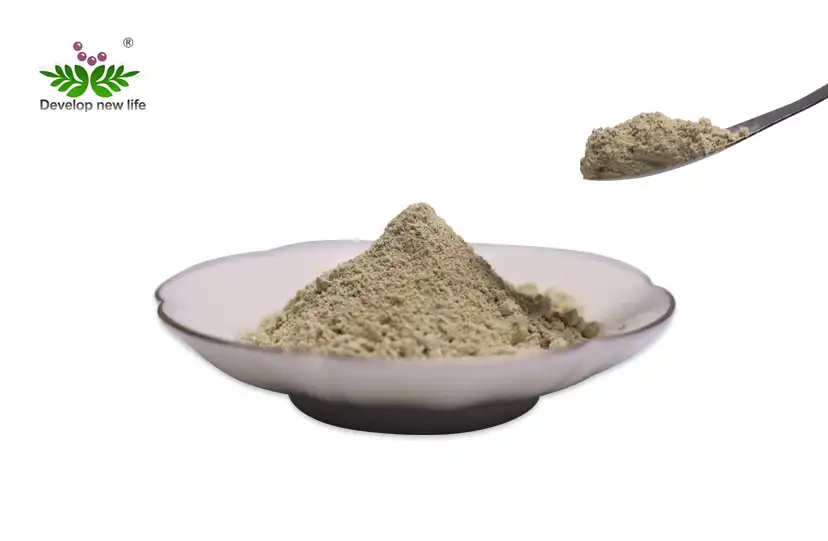
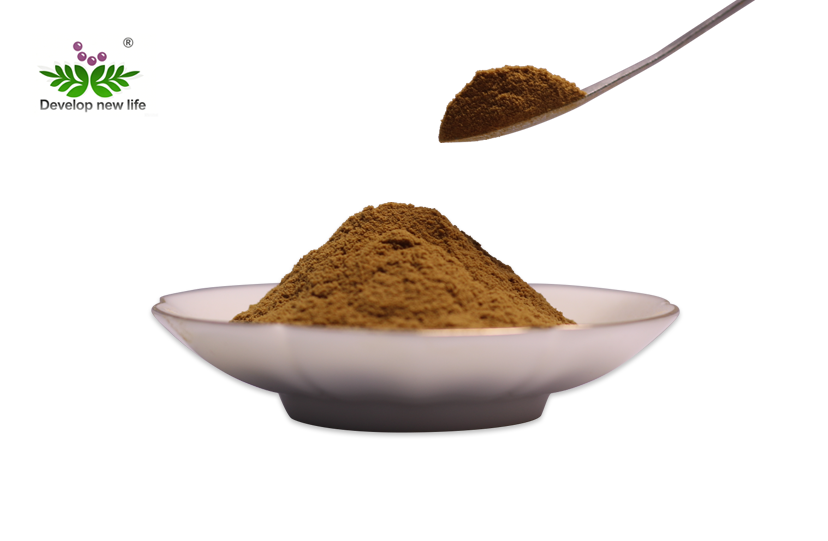
Artichoke leaf extract powder, derived from Cynara scolymus L., has earned a well-established position in functional nutrition. Standardized to ≥5% cynarin via UV testing, this brown-yellow fine powder delivers consistent hepatoprotective, cholesterol-modulating, and antioxidant activity. Its water solubility makes it a practical fit for beverage systems, while its 80-mesh fineness supports smooth encapsulation. For B2B formulators sourcing botanical raw materials, this extract answers two core questions at once: proven bioactivity and reliable supply.
Understanding Artichoke Leaf Extract Powder and Its Benefits
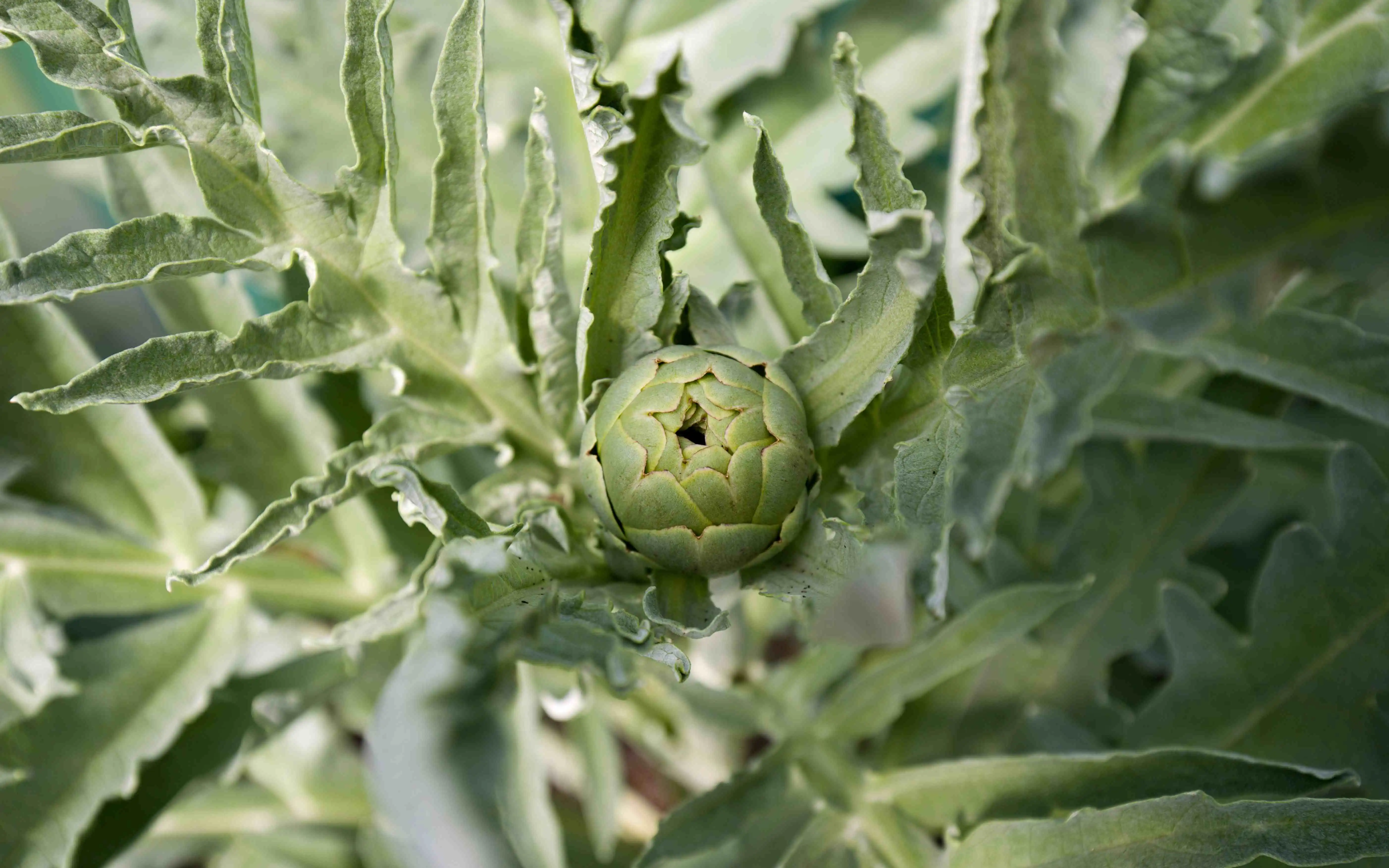
Botanical Profile of Cynara scolymus L.
Cynara scolymus L., the globe artichoke, is a perennial thistle that grows in the Mediterranean. The part of the plant that you eat—not the bud—has the biggest amount of flavonoids like luteolin-7-glucoside and caffeoylquinic acids like cynarin and chlorogenic acid. With a concentration ratio of 10:1, 10 kg of dried leaf gives you 1 kg of extract, which has a phytoChemical density that raw leaf can't match.
Key Bioactive Compounds and Their Functions
Cynarin is the main marker chemical that increases the production of bile (choleretic effect) and helps the release of bile (cholagogue effect). Luteolin has measurable antioxidant effects, and chlorogenic acid helps the body use fats. A 2015 study published in the journal Phytomedicine confirmed that adults with high cholesterol saw a big drop in their total cholesterol and LDL cholesterol levels over the course of 12 weeks when they took standardized artichoke extract.
Why Powder Form Outperforms Whole-Leaf Material?
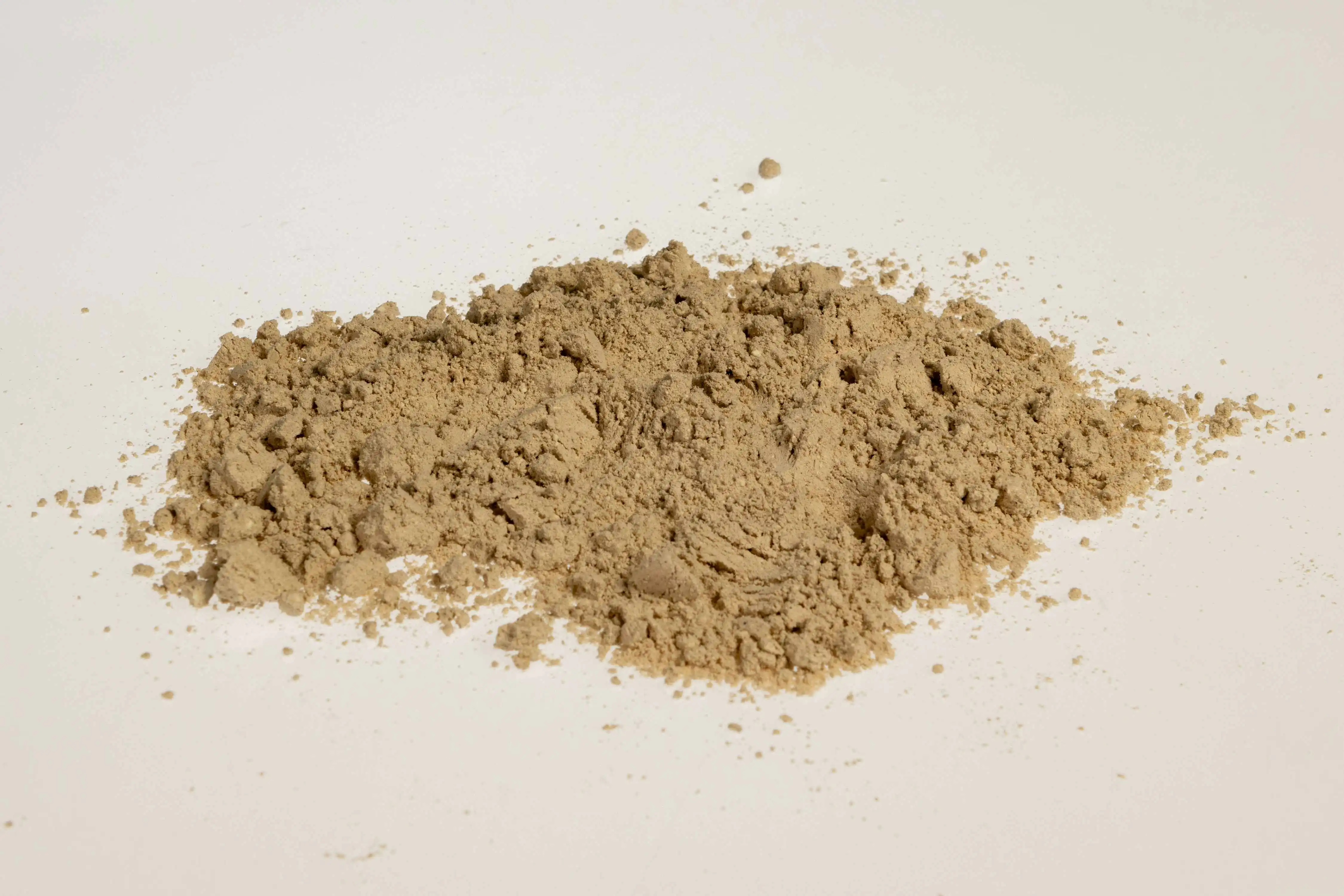
Because of seasonal and geographical factors, the amount of cynarin in whole dried leaves can vary from batch to batch. This problem can be fixed by using a standard powder that is locked at ≥5% cynarin using UV measurement. At DN Biology, we check each lot using our own HPLC and UV-Vis spectrophotometers. If you need it, you can also get confirmation from a third party. The 80-mesh particle size also ensures flowability, making it perfect for lines that make tablets and capsules quickly.
Application in Functional Beverages and Botanical Supplements
Formulation Considerations for Beverages
The best thing about this extract for liquid uses is that it dissolves easily in water. It mixes well in detox shots, ready-to-drink (RTD) health drinks, and herbal teas; it doesn't clump or settle. The recommended working concentrations for drinks are usually between 200 mg and 500 mg per dose, which is the same as the 320 mg to 640 mg/day range of a standardized cynarin-based extract that has been tested in clinical settings. Because cynaropicrin and cynarin are naturally bitter, formulators may need to mask the taste with citrus profiles or higher amounts of stevia.
Capsule and Tablet Applications
When the Artichoke Leaf Extract Powder 80-mesh powder is put into capsules or tablets, it mixes evenly with fillers like magnesium stearate or microcrystalline cellulose. Because it loses only 5% of its wetness when dried, it doesn't clump when compressed and stays stable on the shelf. Microbial limits (total plate count ≤1,000 cfu/g) meet standard USP requirements, which lowers the risk of QA refusal at the time of arrival. Because of these qualities, the material is good for private label supplement SKUs that focus on liver health and gut support.
Regulatory and Certification Alignment
Products made from this extract can have strong compliance proof. The artichoke leaf extract from DN Biology is certified as COSMOS, Kosher, GMP, HACCP, and ISO 9001. Each batch comes with a full COA, MSDS, and third-party test report, which helps with FDA dietary supplement registration and EU plant ingredient dossiers. This documentation package cuts down on the amount of back-and-forth with authorities that regulatory affairs managers have to do when launching products in more than one market.
Comparing Artichoke Leaf Extract Powder Options for Procurement
Ratio Extract vs. Standardized Extract
A 10:1 Ratio Extract talks about how to concentrate something, not how strong it will be. The amount of cynarin in a 10:1 batch can be anywhere from 1% to 6%, based on the quality of the raw materials and when they were harvested. A requirement of "Cynarin ≥5% by UV" gives purchasing teams a set level of this active ingredient that they can check and legally apply. Standardized standards must be met for formulations that make practical claims.
Organic vs. Conventional Powder
Organic artichoke leaf extract costs about 15–25% more than regular grades. This is because it costs more to grow the plants in an organic way and use separate processing lines. When both are uniform, there isn't much difference in how the cynarin content works between organic and conventional. Here, the choice to buy comes down to how the sign is placed and who the product is meant for. Clean-label and USDA Organic brands definitely benefit, but the extra cost may not be worth it for private-label commodity vitamins.
Evaluating Supplier Reliability
When judging a supplier, you should look at three things: their analytical skills, their capacity, and how easy it is to track them. A reliable seller has an in-house lab with HPLC and UV-Vis equipment, a specialized plantation or a verified base for getting raw materials, and can show batch records that go back many production cycles. A production capacity of more than 3,000 tons per year means that the business is big enough to handle long-term orders. When 100 tons are in stock, there is no need to worry about wait times during times of high demand.
Procurement Guide: How to Source Quality Artichoke Leaf Extract Powder?
Supplier Qualification Checklist
Before you agree to work with a seller of Artichoke Leaf Extract Powder, you should at least get a current GMP certificate, a COA for the last three production runs, a heavy metal and pesticide residue report from a third party, and proof of microbial testing results. Any trustworthy company that sells artichoke extract should be able to give these to you right away. Before making a business order, your QC team can use free pre-shipment samples to independently check the claimed cynarin content.
MOQ, Packaging, and Logistics
The smallest amount you can buy from DN Biology is 1 kg, which is good for R&D sampling and small-batch trial runs. Because the extract is so water-absorbing, commercial orders are packed in 25 kg fiber drums with double-layer food-grade PE bags and silica gel desiccant. Standard shipping takes place within 7 days of proof of payment. It is possible to use the DDP (Delivered Duty Paid) service, which makes customs easier for people who are bringing products into the EU and the US.
OEM/ODM and Private Label Options
Formulators can work directly with DN Biology's R&D team to get custom cynarin concentrations, plant powders that have been blended, or private-label packaging. We allow you to make changes to the quantity, mesh size, powder form, and the mixing of multiple ingredients. This is especially important for contract manufacturers who are making special formulas for retail brands to help the liver or the digestive system.
Ensuring Safe and Effective Use: Dosage, Side Effects, and Best Practices
Clinically Informed Dosage Guidelines
There is evidence from published studies that taking 320 to 640 mg of concentrated artichoke leaf extract (2.5 to 5% cynarin) every day can help your liver and lower your cholesterol. In useful beverage forms, splitting this into two daily doses makes it easier to handle. The standardized cynarin percentage per serving should be written on supplement labels so that both end users and professionals can correctly figure out the dosage.
Safety Profile and Contraindications
Artichoke leaf extract is usually safe for healthy adults to take. Some minor and rare side effects that have been reported are temporary gas or loose stools at higher amounts. People who have gallstones or a blocked bile duct should not take choleretic plants without medical care. People who are allergic to plants in the Asteraceae family (like daisy and ragweed) should be careful because they may be allergic to other plants in the same family.
Label Transparency and Consumer Trust
The sign should make it clear which part of the plant it is (leaf), what its Latin name is (Cynara scolymus L.), how much of it to take every day, and the standards marker (cynarin ≥5%). When supplement brands tell customers these things, they build measurable consumer confidence and cut down on returns caused by unmet expectations. Regulatory affairs teams should also make sure that the language used in structure/function claims is in line with the latest FDA guidance on dietary supplements.
Conclusion
Standardized to ≥5% cynarin, Artichoke Leaf Extract Powder from Cynara scolymus leaf extract is a reliable and well-studied botanical ingredient that can be used in liver-supporting supplements, functional drinks, and digestive health products. It can dissolve in water, has a clean microbiological profile, and is 80-mesh small, which makes it suitable for both beverages and capsules. It also meets the buying and regulatory needs of global markets when it comes from a qualified manufacturer with full traceability and full compliance documents. There is strong evidence to support this extract, and the infrastructure is now in place to provide it reliably.
FAQ
What is the difference between a 10:1 ratio extract and 5% standardized cynarin?
A 10:1 extract tells you the concentration process but not the actual cynarin level. A 5% standardized specification guarantees measurable bioactive content verified by UV or HPLC testing. Always request standardized specs for efficacy-driven formulations.
Can this powder be used directly in RTD beverages?
Yes. The extract is water-soluble and disperses cleanly in aqueous systems. Bitterness management may be needed at higher inclusion rates. A simple bench trial with flavor masking agents will establish the optimal use level for your specific beverage matrix.
How should the extract be stored to prevent caking?
Store in a cool, dry place below 25°C and 60% relative humidity, away from direct light. The 25 kg drum packaging includes silica desiccant to control moisture uptake during transit and storage.
Is a free sample available before placing a bulk order?
Yes. DN Biology provides free pre-shipment samples for qualified buyers. Contact Info@dnbiology.com to request a sample along with the full technical dossier, including COA, MSDS, and third-party test reports.
Does the extract meet US and EU regulatory requirements?
The extract is produced under GMP and ISO 9001 conditions, with HACCP and Kosher certifications. Full documentation support — including COA, MSDS, and third-party analytical reports — is provided for FDA dietary supplement filings and EU botanical ingredient registrations.
Request a Sample from DNBIOLOGY — Artichoke Leaf Extract Powder Supplier
Since 2010, DNBIOLOGY has provided standardized plant extracts to beverage and nutrition brands around the world. We have 100 tons of Artichoke Leaf Extract Powder in stock and can ship it within 7 days. It meets GMP, ISO 9001, HACCP, Kosher, and organic standards. If you need bulk quantities or help with OEM formulations, our technical team is available 24 hours a day, seven days a week. Get your free sample and product dossier right now by emailing us at Info@dnbiology.com.
References
1. Bundy, R., Walker, A. F., Middleton, R. W., & Wallis, C. (2004). Artichoke leaf extract reduces symptoms of irritable bowel syndrome and improves quality of life in otherwise healthy volunteers suffering from concomitant dyspepsia. Journal of Alternative and Complementary Medicine.
2. Englisch, W., Beckers, C., Unkauf, M., Ruepp, M., & Zinserling, V. (2000). Efficacy of artichoke dry extract in patients with hyperlipoproteinemia. Arzneimittelforschung.
3. Kraft, K. (1997). Artichoke leaf extract — Recent findings reflecting effects on lipid metabolism, liver and gastrointestinal tracts. Phytomedicine.
4. Wider, B., Pittler, M. H., Thompson-Coon, J., & Ernst, E. (2009). Artichoke leaf extract for treating hypercholesterolaemia. Cochrane Database of Systematic Reviews.
5. Rondanelli, M., Giacosa, A., Opizzi, A., et al. (2011). Beneficial effects of artichoke leaf extract supplementation on increasing HDL-cholesterol in subjects with primary mild hypercholesterolaemia. International Journal of Food Sciences and Nutrition.
6. European Medicines Agency. (2011). Assessment report on Cynara scolymus L., folium. EMA Committee on Herbal Medicinal Products (HMPC).
_1784539486673.webp)