Nervonic Acid Powder Supports Brain Health Ingredient Innovation for Premium Nutrition Products
Nervonic Acid Powder (CAS: 506-37-6) is gaining serious attention from formulators and procurement teams across the nutraceutical, functional food, and pharmaceutical sectors. As a long-chain monounsaturated fatty acid (C24:1 n-9), it serves as a direct precursor for myelin sheath biosynthesis in the central nervous system. Research published in peer-reviewed neuroscience journals confirms that declining endogenous levels of this fatty acid correlate with age-related cognitive decline, making exogenous supplementation through high-purity ingredient formats increasingly relevant for premium brain health product development.

Understanding Nervonic Acid and Its Role in Brain Health
What Makes This Fatty Acid Neurologically Significant?
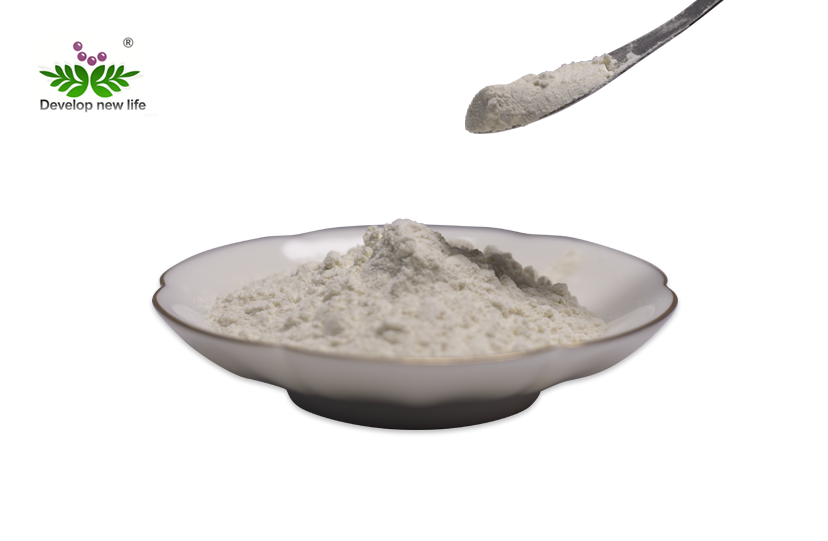
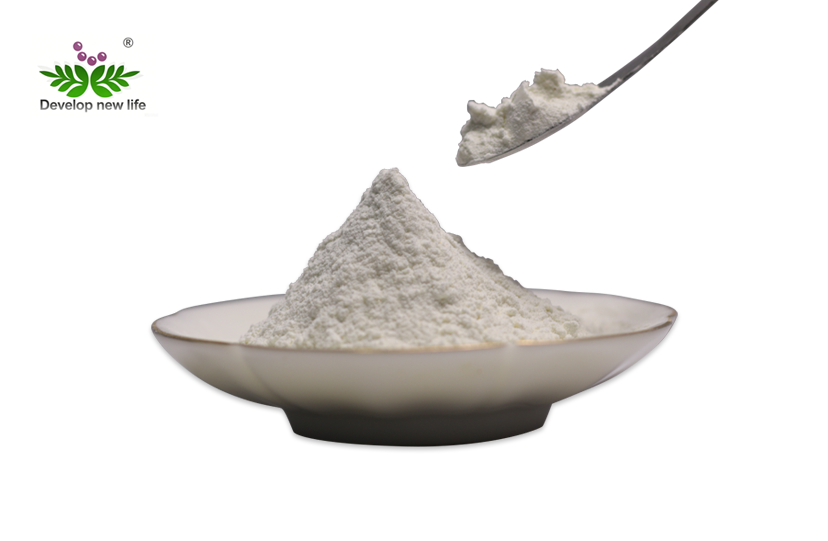
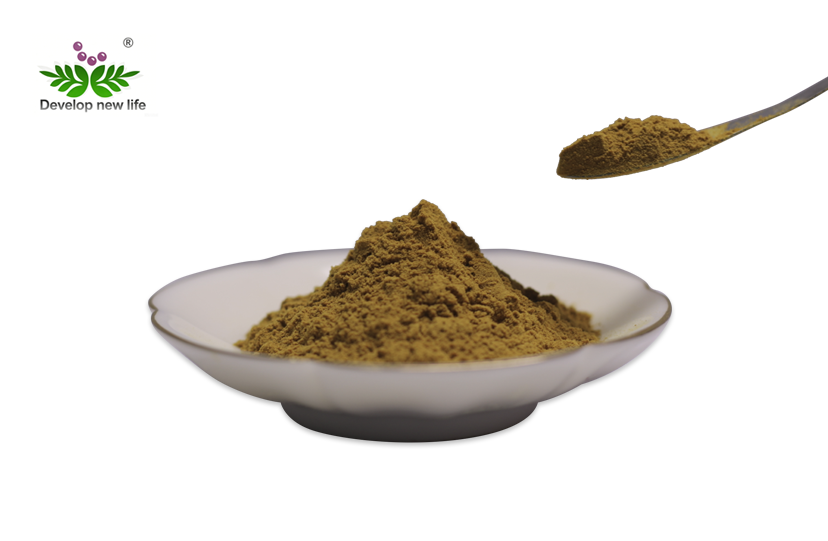
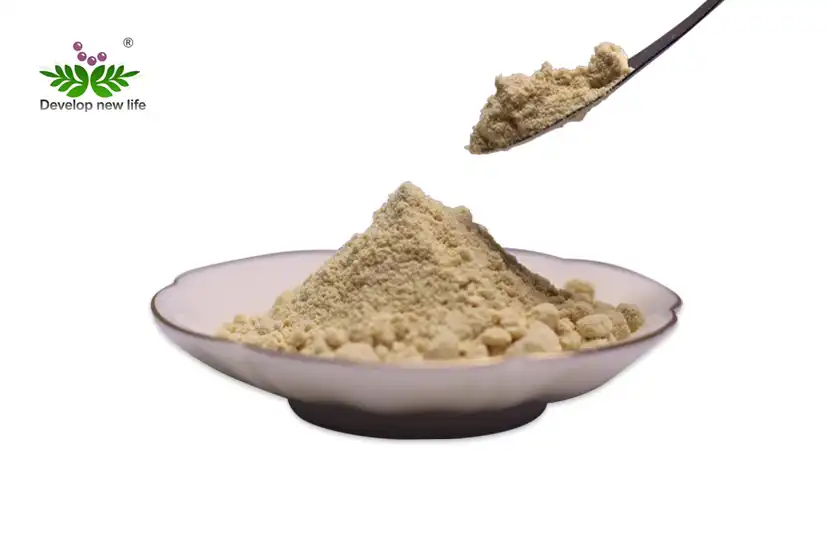
One of the few food fatty acids that can cross the blood-brain barrier is called cis-15-tetracosenoic acid. It is usually sold as a white solid powder. Once it is taken, it joins with sphingolipids to make the myelin sheath, which is the protective layer around nerve fibers that sends signals quickly and accurately. Neurons can't talk to each other as quickly when they don't have enough myelin. This is linked to early stages of neurological diseases like Alzheimer's and adrenoleukodystrophy.
Plant-Based Origins and Modern Extraction Methods
In the past, this substance was taken out of shark brain tissue. These days, sustainable commercial production mostly comes from the seed oils of Acer truncatum (Purpleblow Maple) and Malania oleifera, which are extracted using ethanol and then distilled using molecular distillation. We use 95% ethanol as the extraction solvent at DN Biology. This makes a final product that is 98% pure (checked by GC analysis) and keeps the amount of residual solvent well below the ICH Q3C compliance thresholds.
Purity Standards and Dosage Relevance for B2B Clients
For people who make supplements, purity directly affects how accurate the dosage is. At 98% specification, every gram of the ingredient gives a consistent amount of active fatty acid. Both HPLC and GC-FID tests confirm the C24:1 peak area and keep an eye on the levels of C22:1 (erucic acid), making sure they stay within safety limits. Another test that is done on each batch is an ICP-MS test for heavy metals and peroxide value (<2.0 meq/kg). Lead, arsenic, cadmium, and mercury are all kept below 0.1 ppm.

Comparing This Ingredient with Other Brain Health Actives
DHA and Fish Oil: Complementary, Not Equivalent
DHA (docosahexaenoic acid) has been the main omega-3 in brain health products for a long time. It helps keep the membranes of neurons wet and lowers inflammation in the brain. However, DHA does not directly help build the myelin sheath through the same biological process. C24:1 fatty acid fills a clear need—its part in making nervonyl sphingolipids helps fix the problem with myelin repair that regular omega-3 supplements can't.
Phosphatidylserine: Different Mechanism, Different Target
Phosphatidylserine helps cell membrane signaling and has been shown to improve memory and focus in older adults. It works by increasing the sensitivity of receptors at the neural level. Nervonic Acid Powder, on the other hand, works upstream at the molecular level to fix the protective sheath around the nerve fiber before signal transmission even starts. When procurement teams are making cognitive recipes with more than one ingredient, they often find that adding both ingredients makes the label claims and support positioning more complete.
Why Purity and Certification Change Procurement Decisions?
A product with 90% specification and one with 98% specification may look the same on a spec sheet, but they work differently when mixed together. Batches that are mislabeled or oxidized can make the product less stable and put customers at risk. Certification from ISO, GMP, HACCP, and Kosher programs gives purchasing managers written quality assurance that lowers supplier risk. This is a must-have standard for brands that want to enter regulated markets in the EU and the US.
Procurement Strategies for B2B Nutrition Markets
Supplier Qualification: What to Check Before You Order
It takes more than looking at a Certificate of Analysis to choose a good supplier. As part of a responsible buying process, GMP manufacturing paperwork, ISO 9001 and ISO 22000 certification, and support for third-party lab tests should all be checked. Making sure that the supplier has its own analytical lab with HPLC, GC, TLC, and UV-Vis tools gives you peace of mind that the batch data was produced by the seller itself and not taken from a third-party dealer.
Before making a big order, procurement teams should make sure of these core qualification checkpoints:
- Certification completeness: ISO 9001, ISO 22000, GMP, HACCP, Kosher, and Organic certificates should all be current and traceable to specific production batches.
- Testing transparency: Third-party lab reports covering fatty acid profile, residual solvents, heavy metals (ICP-MS), and microbial counts (USP <61>) should be available upon request.
- Stock and lead time: Confirm in-stock availability for rapid order fulfillment; at DN Biology, standard stock stands at 100 tons, with a 5–8 working day delivery window and 7-day shipment from confirmed payment.
Third-party lab reports on fatty acid profile, residual solvents, heavy metals (ICP-MS), and microbial counts (USP <61>) should be available upon request as proof of testing transparency.
MOQ, Packaging, and Logistics Considerations
These checkpoints directly lower quality risk and sourcing delays for companies that make a lot of nutraceuticals.
Long-Term Supply Agreements and Risk Management
For customers who need a unique concentration or OEM packaging, we can change the recipe to meet their needs.
Innovation in Premium Nutrition Products
Functional Food and Supplement Applications
Supplement companies are putting Nervonic Acid Powder in capsules, softgels, and memory-boosting powder blends for adults over 50, students, and workers. It works well with phosphatidylserine, lion's mane extract, and bacopa, which makes it an important part of nootropic stacks. Functional food makers are also looking into encapsulated forms for adding nutrients to drinks, but they need to be very careful to keep the lipids stable during processing.
Navigating US and EU Regulatory Frameworks
This ingredient is sold as a dietary supplement in the US as a dietary supplement part. The label says that it helps with brain health by supporting structure and function. EU novel food regulations say that ingredients that haven't been used before 1997 need to be approved first. Product developers who want to sell their products in both markets should work with their regulatory affairs team to get COA paperwork, MSDS files, and origin traceability reports from the ingredient provider. DN Biology provides all of this paperwork as standard.
Market Trends Supporting Commercial Viability
Grand View Research says that the global market for brain health supplements was worth About UsD 7.6 billion in 2023 and will continue to grow at a CAGR of 8.1% until 2030. People are becoming more interested in neuroprotective ingredients, white matter integrity, and the health of myelin because the population is getting older and people are becoming more aware of early-onset cognitive decline. Brands that come into this market now with ingredients that have been proven to work in clinical trials have a clear positional advantage.
How to Choose the Right C24:1 Ingredient for Your Product?
Define Specifications Before You Sample
Before asking for samples, product developers should be very clear about the purity level they need (98% is recommended for clinical-grade positioning), the smallest particles that can be used for encapsulation, and how well the new system will work with the old one. To keep their solubility in finished products, lipophilic ingredients need to be encapsulated or carried in a certain way.
Verify Identity and Stability Through Rigorous Testing
GC-FID is the usual way to check the identity and purity of C24:1 fatty acids. Specifically, the peroxide value and anisidine value show that the lipid chain has not been broken down during storage or extraction. Products that are kept in sealed drums that are cool, dry, and away from light stay stable. Our recommended storage condition is a cool, dry place away from light, which is also the standard way to handle fatty acids.
Build a Supplier Evaluation Checklist
A useful evaluation method for the sourcing and quality assurance teams should include looking over the paperwork, having samples tested by a third-party lab, and comparing at least one reference batch. DN Biology supports plant checks that happen on-site and offers free samples before they are shipped. Multiple technical patents, a 15-year history of making plant extracts, and a promise to respond to customers 24 hours a day, seven days a week make it easy for new clients to become qualified.
Conclusion
The science behind taking extra C24:1 fatty acids is well-established, and it's clear that the business opportunity in brain health nutrition is growing. Finding a 98% pure ingredient with all the necessary regulatory paperwork is the easiest way for nutraceutical brands, functional food makers, and contract manufacturers to make unique brain health products that are in line with regulations. Nervonic Acid Powder from DN Biology is in stock, certified, and can be tracked to meet that standard for both large-scale and custom-quantity purchases.
FAQ
What is the recommended storage condition for this ingredient?
Store in a cool, dry place away from direct light. The product is packaged in 25KG sealed drums to minimize oxidation exposure during transit and warehousing. Proper storage maintains a peroxide value below 2.0 meq/kg and preserves the integrity of the C24:1 fatty acid chain.
What certifications does DN Biology's product carry?
The product holds ISO, GMP, HACCP, Kosher, and Organic certifications. Full documentation—including COA, MSDS, and third-party test reports—is available upon request to support import compliance and market registration in the US and EU.
Can we request a custom concentration or OEM packaging?
Yes. DN Biology supports OEM packaging and custom formulation development based on client specifications. Contact our team to discuss concentration requirements, particle size, and labeling needs before placing your first order.
What testing methods are used for quality verification?
Each batch undergoes GC-FID for fatty acid profile confirmation, ICP-MS for heavy metals, residual solvent analysis per ICH Q3C, and microbial testing to USP <61> standards. HPLC verification is available for additional identity confirmation upon request.
What is the minimum order quantity and lead time?
The MOQ is 25 kg, packaged in a single 25KG drum. Standard delivery is 5–8 working days from confirmed payment, with in-stock availability of 100 tons and a 24/7 customer response commitment.
Partner with DNBIOLOGY for Certified Nervonic Acid Powder Supply
DNBIOLOGY offers verified Nervonic Acid Powder at 98% purity—certified under ISO, GMP, HACCP, and Kosher standards—with in-stock availability and a 5–8 working day delivery window. As a trusted Nervonic Acid Powder manufacturer with 15 years of botanical extract experience, we support OEM packing, third-party testing, and full regulatory documentation. Contact our team today to request free pre-shipment samples or discuss custom formulation needs.
📧 Email: Info@dnbiology.com
🌐 Website: dnbiology.com
References
1. Sargent, J. R., & Coupland, K. (1994). "Nervonic acid and brain development." Prostaglandins, Leukotrienes and Essential Fatty Acids, 50(6), 375–378.
2. Poulos, A. (1995). "Very long chain fatty acids in higher animals—A review." Lipids, 30(1), 1–14.
3. Bazan, N. G. (2006). "Cell survival matters: Docosahexaenoic acid signaling, neuroprotection, and photoreceptors." Trends in Neurosciences, 29(5), 263–271.
4. Grand View Research. (2023). Brain Health Supplements Market Size, Share & Trends Analysis Report, 2023–2030.
5. Weylandt, K. H., & Kang, J. X. (2005). "Rethinking lipid mediators." The Lancet, 366(9486), 618–620.
6. Food and Agriculture Organization of the United Nations (FAO). (2010). Fats and Fatty Acids in Human Nutrition: Report of an Expert Consultation. FAO Food and Nutrition Paper No. 91.


_1784539486673.webp)