Red Clover Extract Powder Manufacturer Solutions for Sustainable Plant Extract Supply Chains
Red clover extract powder has established a strong position in global plant extract procurement, driven by its concentrated isoflavone content and broad application potential. For B2B buyers sourcing botanical ingredients—whether for nutraceuticals, cosmetics, or pharmaceutical formulations—finding a manufacturer that balances product consistency, regulatory compliance, and responsible sourcing is no simple task. This article breaks down the market landscape, real supply chain challenges, and practical criteria for selecting a trustworthy Trifolium pratense extract supplier who can support your product pipeline long-term.
Understanding Red Clover Extract Powder and Its Market Demand
What Makes This Extract Valuable?
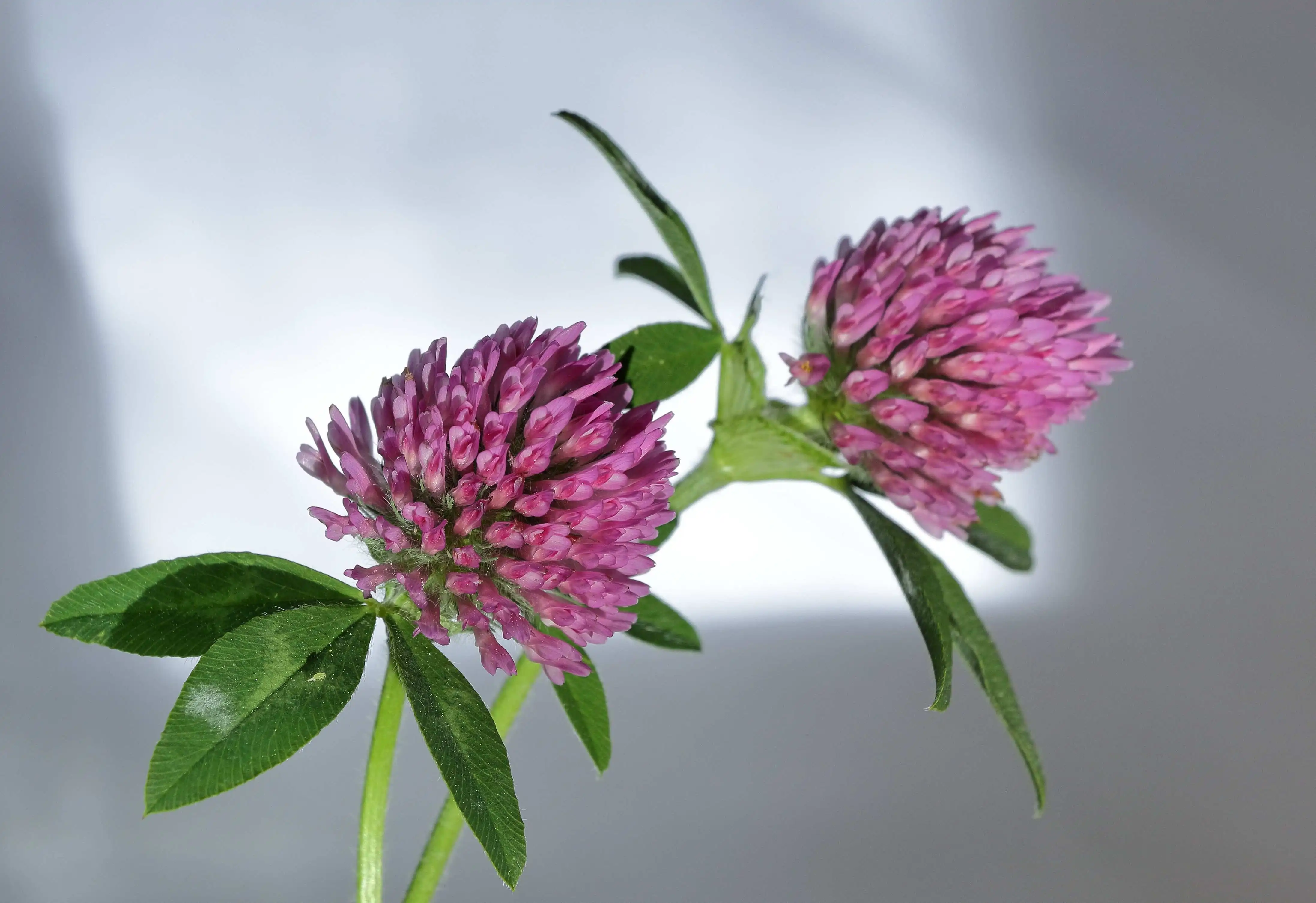
Red clover isoflavone extract comes from the flowering tops of Trifolium pratense L. and has four main phytoestrogens in it: Biochanin A, Formononetin, Daidzein, and Genistein. Because these Chemicals work with estrogen receptor beta (ERβ), this extract is a popular natural ingredient for managing menopause symptoms, improving bone density, and keeping hormones in balance. It has more phytoestrogens than isoflavones produced from soy and doesn't come from GMOs, which makes it appealing to clean-label brands.
Sectors Driving Procurement Growth
Several industries are seeing faster growth in demand. Dietary supplement companies put it in capsules and tablets to help women going through menopause. Because it can rebuild collagen and fight free radicals, the extract is used in anti-aging serums by cosmetic formulators. Functional beverage businesses want grades that dissolve in water for use in powdered drinks. Its uniform isoflavone content is important to the pharmaceutical industry because it is a natural active chemical that has been shown to work in clinical studies.
Market Signals B2B Buyers Should Watch
Grand View Research's 2023 report on the global nutraceuticals market says that the plant extracts group continues to grow at a rate of over 6% per year. Buying teams are putting more and more emphasis on GMP-certified and organic-verified raw materials that can pass FDA and EU regulations. Because of this change, choices about where to get goods now depend on the quality of paperwork and the ability to track them as much as they depend on price per kilogram.
Challenges in Red Clover Extract Powder Supply Chains
Batch Inconsistency and Standardization Gaps
One problem that buyers keep having is that the amount of isoflavone varies from batch to batch. When plants are harvested in different areas or at different times of the year, the extract they produce may not be as effective, which can lower the quality of finished products. Without HPLC verification at every stage of production, buyers could get material that doesn't match what's on the label, which is a big problem for regulators in places like the US.
Supply Disruptions and Transparency Deficits
Seasonal harvest cycles, geopolitical shipping delays, and unclear supplier processes make buying Red Clover Extract Powder risky for people who buy a lot. Supply chain planning isn't reliable when a supplier can't confirm where raw materials come from, how they are managed at the planting base, or how much stock is available at any given time. To keep production plans, contract makers and OEM producers need lead times that they can count on and minimum order flexibility.
Regulatory and Quality Risk Exposure
Heavy metals above 10 ppm, microbial counts above 1,000 cfu/g, and pesticide residue violations are all examples of contamination risks that can lead to product recalls, import rejections, and damage to a company's reputation. Buyers must make sure that the supplier has certifications like ISO 9001, GMP, HACCP, Halal, and Kosher that are recognized by their target markets and that third-party lab tests are done.
Sustainable Manufacturer Solutions for Reliable Red Clover Extract Supply
Traceability From Planting Base to Final Powder
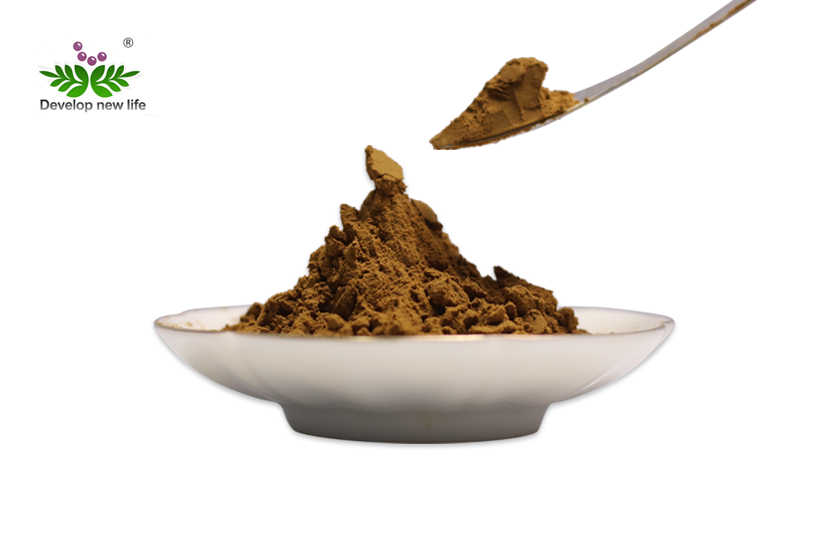
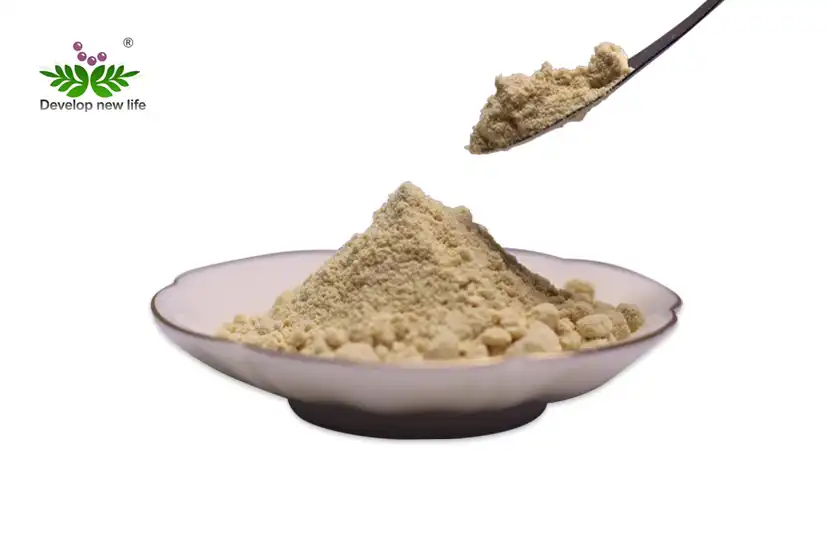
The supply chain for Xi'an DN Biology Co., Ltd. is fully integrated and goes straight to the company's own growing base. This gives buying teams information about where goods came from, how they were grown, and when they should be harvested. Full-chain tracking means that each batch of brown-yellow isoflavone powder can be tracked from the raw botanical material to the finished extract. This meets the direct paperwork needs of managers in charge of regulatory affairs and quality assurance teams.
Here are the main signs of a trustworthy company when it comes to quality control:
- Standardized active ingredient: Isoflavone ≥40%, verified by HPLC at each production stage, ensuring label claim accuracy for supplement and pharmaceutical buyers.
- Controlled contamination limits: Heavy metals ≤10 ppm and total microbial plate count ≤1,000 cfu/g, meeting FDA and EU safety thresholds for food supplement applications.
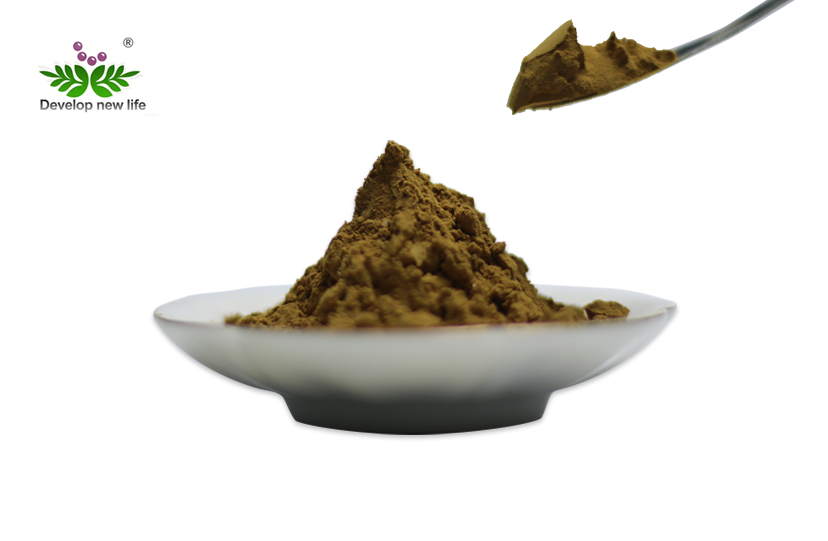
- Consistent physical specifications: 80-mesh brown-yellow fine powder, water-extracted using clean solvent processes, packaged in 25 kg drums for bulk B2B shipping.
- MOQ flexibility: Starting from 1 kg for sampling and formulation trials, scaling to bulk orders supported by 100 tons of ready stock and 3,000-ton annual production capacity.
These requirements make it easier for procurement managers to switch sources or start new product lines without having to worry about quality issues or where to get the materials they need.
Certification Infrastructure That Supports Global Market Access
The Red Clover Extract Powder is certified by ISO 9001, ISO 22000, GMP, FSSC 22000, HACCP, Halal, Kosher, and the FSPCA. For buyers who are sending goods to markets in the US or Europe, this certification portfolio makes customs paperwork easier and speeds up the registration process. Each package comes with a full COA, MSDS, and third-party test report, which meets the needs of regulatory affairs teams without a lot of back-and-forth.
OEM/ODM Capabilities for Custom Formulation Needs
Product development managers and R&D teams often need more than a normal commodity extract. DN Biology has an in-house lab with HPLC, GC, UV-Vis, and TLC instruments that can help with custom concentration requirements, different types of extracts, and formulation consulting. The OEM/ODM program can meet your project-specific needs with a 7–15 day production lead time, no matter if your formula needs a standardization of 8%, 20%, or 40% isoflavone or a specific particle size for encapsulation or beverage blending.
How to Evaluate and Select Red Clover Extract Powder Manufacturers?
Certification and Documentation Verification
Make sure that the supplier's certifications cover the international market you want to reach before you make a decision. Ask for the real certificates, not just the images on the website. Find out if testing by a third-party lab is common or only available when asked for. A reputable company that makes Trifolium pratense extract should offer free samples before the order ships and answer technical questions within 24 hours.
Assessing Supply Stability and Scalability
Check to see if the manufacturer has enough ready-to-ship items for the amount of orders you expect. DN Biology keeps 100 tons of stock on hand and has a 7-day shipping window after payment is confirmed. This level of inventory readiness directly lowers the risk of production breakdowns for supply chain managers who are in charge of just-in-time buying.
Comparing Organic vs. Conventional Extract Options
Organic-certified Red Clover Extract Powder costs more, but it can be used in clean-label and natural product markets where customers and retailers want proof that the products were not made with synthetic materials. It is still cheaper to use conventional extracts in medicinal or industrial settings where organic marking is not a sales driver. Figuring out which tier fits your market positioning helps you narrow down the list of suppliers to those whose certification portfolio fits with your product strategy.
Future Outlook: Advancing Sustainable Practices in Plant Extract Manufacturing
Precision Agriculture and Yield Optimization
Improvements in choosing varieties and managing the land for growing Trifolium pratense are making the raw material more consistent even before it is extracted. Manufacturers with combined growing bases are better able to use these methods, which lowers the variation in raw materials that leads to quality issues further down the line.
Digital Traceability and Blockchain Integration
Supply chain transparency tools are becoming normal in the B2B ingredient buying process. Full-chain documentation and blockchain-based tracking from the field to the workplace give buyers records that can be checked and meet both internal quality standards and external legal requirements. This technology is especially useful for ingredient distributors who handle supplies from a lot of different sources.
Expanding Application Formats for Diverse Markets
Standardized botanical extracts are coming in a growing number of different product formats. In the development of healthy drinks, water-soluble grades are becoming more popular. Micronized powders are used in packaging lines that need precise fill weights. As the market splits up even more, OEM manufacturers who can change the specifications of extracts to fit the needs of specific applications will have an edge over their competitors.
Conclusion
It takes more than just comparing prices to find standardized Red Clover Extract Powder isoflavone extract for business-to-business uses. For this to work, the provider needs to be able to show where the ingredients come from, have approved production methods, keep track of contamination, and have the technical knowledge to help with custom formulation projects. DN Biology has been in business for 15 years and has an integrated planting base, multi-certification compliance, and 100 tons of ready stock. These factors make it a good partner for supplement brands, cosmetic manufacturers, buyers of pharmaceutical ingredients, and global distributors looking for a reliable long-term supply.
FAQ
Is red clover isoflavone extract safe for long-term use in finished products?
Menopause: The Journal of the Menopause Society published research in 2007 that shows that taking red clover isoflavone supplements is generally well tolerated. When it comes to B2B formulation, safety data depends on uniform active content and proven contamination limits. Before adding any botanical extract to final goods, you should always check the COA and test results from a third party.
What isoflavone concentration is typically recommended for menopausal support formulations?
Daily amounts of 40–160 mg of total isoflavones are often used in clinical studies. A lot of the time, supplement makers use 40% standardized samples to get the right doses into ordinary capsules. Talk to your R&D formulation team and look at written clinical research to figure out what the right specifications are for your product.
How does an organic-certified extract differ from a conventional one for procurement purposes?
Organic approval means that no man-made fertilizers, pesticides, or herbicides were used during the growing process. Organic verification is a must for sourcing teams that want to sell through clean-label or natural outlets. Even though conventional extracts may meet the same standards for purity and potency, they don't have the approval paperwork that is needed to say on the package that they are organic.
Partner With DNBIOLOGY — Your Trusted Red Clover Extract Powder Supplier
Since 2010, DNBIOLOGY has sold approved plant extracts to customers around the world in the cosmetics, nutraceuticals, and pharmaceutical businesses. We make sure that our Red Clover Extract Powder has at least 40% isoflavones by using HPLC. It also has ISO 9001, GMP, HACCP, Halal, and Kosher certifications to back it up. We are ready to help you with your next formulation project. We have 100 tons of ready stock, ship within 7 days, offer OEM/ODM support, and offer free pre-shipment samples. Email us at Info@dnbiology.com right now to get a sample or talk about prices for large orders.
References
1. Grand View Research. Botanical Extracts Market Size, Share & Trends Analysis Report. 2023.
2. Howes, J. B., et al. "Effects of dietary supplementation with isoflavones from red clover on ambulatory blood pressure and endothelial function in postmenopausal type 2 diabetes." Diabetes, Obesity and Metabolism, 2003.
3. Atkinson, C., et al. "The effects of phytoestrogen isoflavones on bone density in women: a double-blind, randomized, placebo-controlled trial." The American Journal of Clinical Nutrition, 2004.
4. Coon, J. T., et al. "Trifolium pratense isoflavones in the treatment of menopausal hot flushes: a systematic review and meta-analysis." Phytomedicine, 2007.
5. Imhof, M., et al. "Endometrial safety of a red clover isoflavone extract in postmenopausal women." Maturitas, 2006.
6. International Organization for Standardization. ISO 22000: Food Safety Management Systems — Requirements for Any Organization in the Food Chain. 2018.


_1784539486673.webp)